NorwayCounty number 31

Østfold

Østfold is a county in Norway with 12 municipalities. Østfold lies between the Oslofjord and Sweden, with farmland, forests and historic industrial towns along Glomma. Fredrikstad, Sarpsborg, Moss and Halden are important centres in a county shaped by border connections and food production.

Content updated:

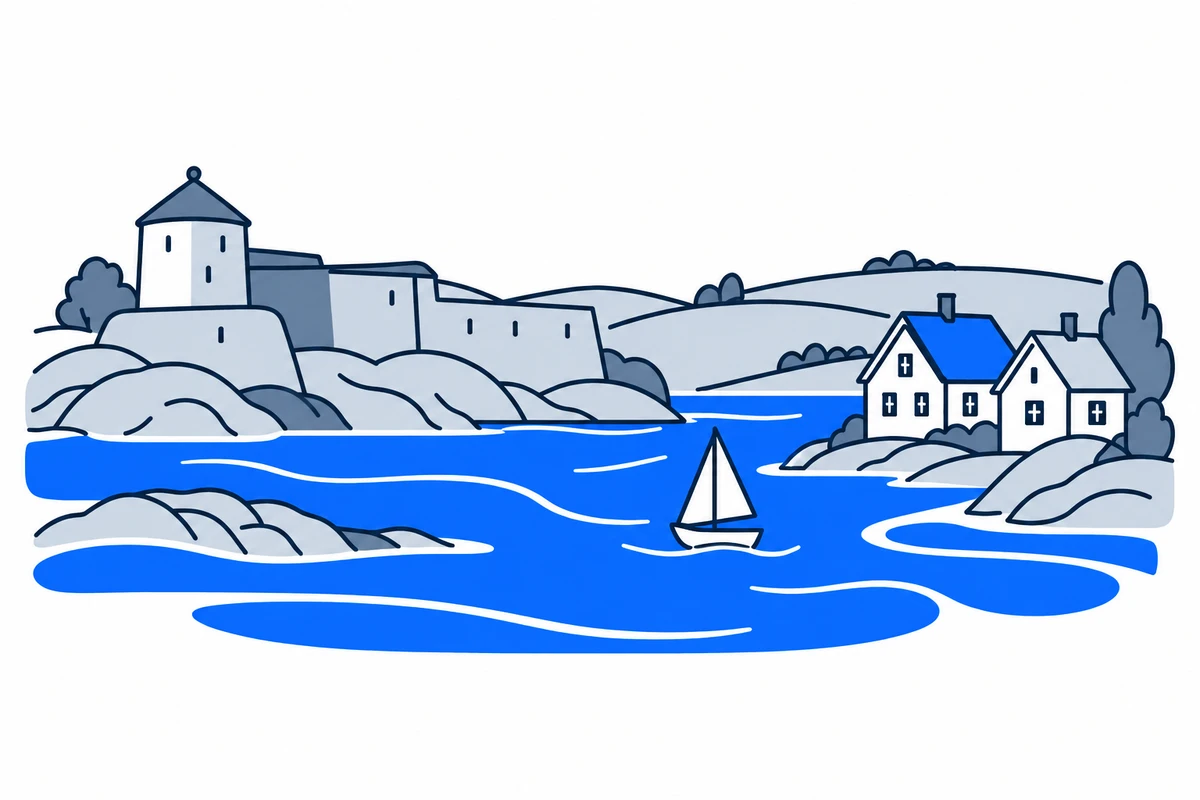
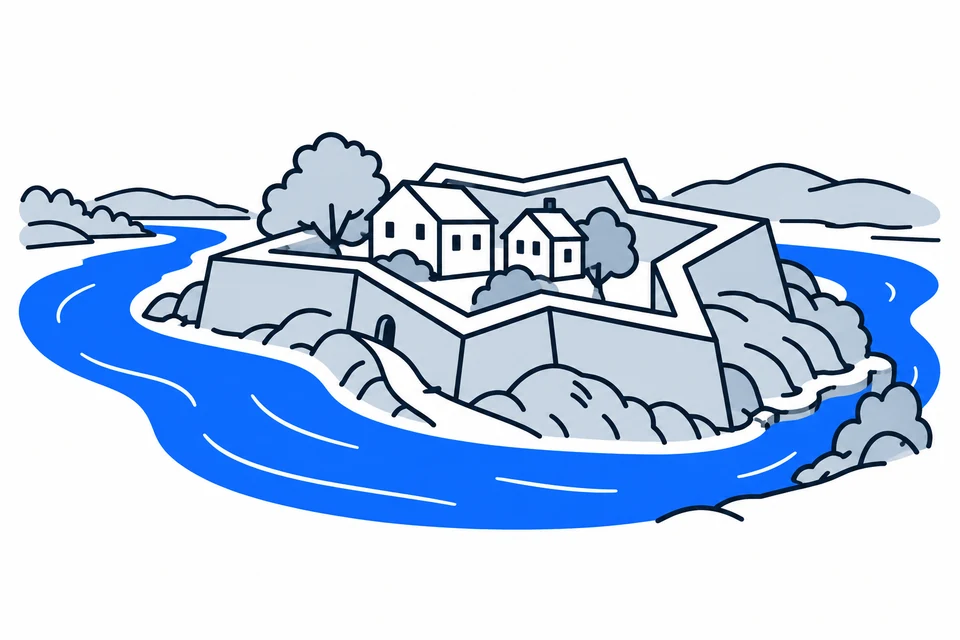
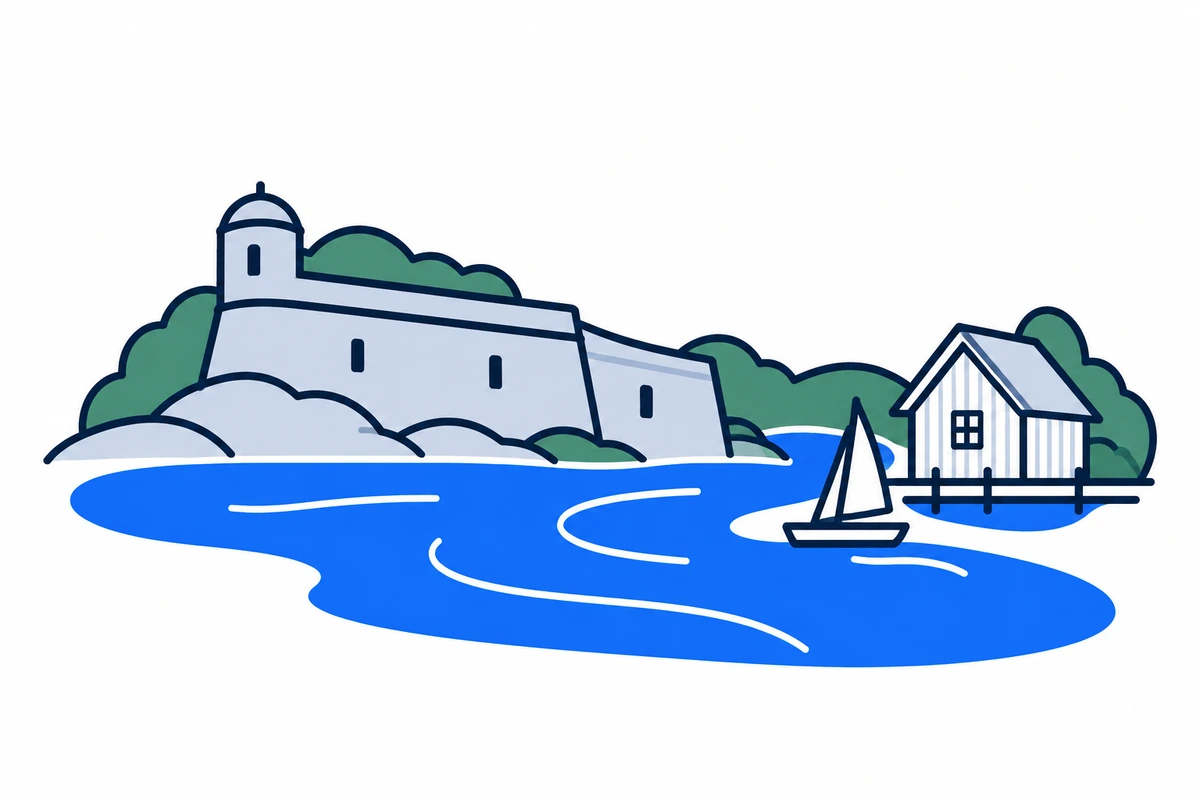
AI-generated illustration: Østfold (county), Norway
Fortification walls and wooden houses beside the water.Regional illustration
Residents
316,4482026 · SSB
Land area
3,729 km²2026 · SSB
Residents per km² of land
84.92026
Municipalities
129 Oct 2026

SSB · 2026

The county in numbers

See how many people live in the county, how many homes it has, and which municipalities have the most residents. Figures are from Statistics Norway (SSB).

PopulationLatest available count
317,12830 June 2026
Population change2025–2026
Not available
We can’t calculate the change from the available figures.
Number of homesHouses and flats
149,1932026

The county on the map

Municipalities in the countyØstfold · 12 municipalities

Choose a municipality to open its profile. Small island municipalities are marked with a dot.

Municipalities in the county · ØstfoldChoose a municipality to open its profile. Small island municipalities are marked with a dot.Indre ØstfoldHaldenRakkestadMarkerSarpsborgAremarkFredrikstadVålerMossRådeSkiptvetHvalerN
Østfold
Map data: © Kartverket · CC BY 4.0Generalised coastal map (2024) · About the map dataMunicipal structure checked:

Known for

Østfold

Fredrikstad’s old town and historic fortresses

AI-generated illustration: Østfold. Fredrikstad’s old town and historic fortresses.

Lowlands, forests and the Swedish border

Østfold is lower and more gently rolling than the western fjord and mountain counties. Farmland, forests and waterways shape the interior, while Hvaler and coastal towns face the Oslofjord. Fredrikstad and Sarpsborg form a dense urban area along lower Glomma. Indre Østfold contains several local centres. Proximity between coast, farming districts and Sweden helps explain regional trade and settlement.

River power, border history and a restored county

Rivers and waterfalls supported sawmills, paper production and other industry. Border connections also shaped Norway’s political development: the 1814 Convention of Moss was important in the transition to union with Sweden. Østfold joined Viken in 2020 and became a separate county again on 1 January 2024. Meanwhile, Rømskog merged with Aurskog-Høland and now belongs to Akershus. Present Østfold is therefore not identical to the pre-reform county.

From grain fields to food industry

Østfold is an important food-producing region, with grain dominating its farmland. Food manufacturing connects raw materials from land and sea with further processing.

Farmland and industrial expertise

Grain production and food processing are important in Østfold’s economy. Industrial heritage along Glomma and around Halden has built expertise in processing, technology and energy. Sweden and the capital region connect trade and transport to wider markets. Farming municipalities and urban municipalities nevertheless have different labour markets. Use municipality profiles for employment and education, distinguishing workplaces from resident-based statistics.

Commuting, local buses and island links

Østfold Kollektivtrafikk provides local-bus and Hvaler ferry timetables, school-transport information and the Flex demand-responsive service. Coastal towns and inland municipalities have different travel patterns, with journeys also towards Oslo and Sweden. A place near a main road is not necessarily equally accessible without a car. Check current departures, connections and evening services when comparing commuting or education access.

Education and traces of industry and nation-building

Østfold University College has campuses in Halden and Fredrikstad. Regional heritage includes early settlements, fortified townscapes and industrial landscapes along waterways. Moss in 1814 connects a local place with constitutional development and union with Sweden. Such places also teach Norwegian social history. Museums and municipality profiles offer complementary perspectives on the development of this densely settled border county.

Coast, towns and countryside in close proximity

Østfold’s shared development goals include quality of life and equal opportunities. Everyday life in Fredrikstad–Sarpsborg nevertheless differs from Hvaler, Aremark and inland farming communities. Housing, transport and education need municipal assessment. This county guide provides context; municipality profiles reveal local differences without assuming that all residents share the same living conditions or employment opportunities.

Plans revised with municipalities

In August 2026, the county executive chose to revise three regional draft plans through closer municipal dialogue. They cover quality of life, skills and value creation, and land use and mobility; they remain proposals.

Places with a story

Landscapes, heritage sites and buildings offer a concrete view of the county’s history. Continue to the guides to these places and their municipalities.

  • Sarpsborg

    Borgarsyssel Museum

    Borgarsyssel Museum in Sarpsborg brings together medieval remains and buildings from across Østfold. Its open-air setting makes regional history tangible through houses, farm work and the relationship between the old town of Borg and today's city.

  • Halden

    Fredriksten festning

    Fredriksten festning rises above Halden, where a fortified hillside explains the town's position on Norway's eastern frontier. Its walls now frame walks, viewpoints and cultural events as well as a story of military defence.

  • Fredrikstad

    Gamlebyen

    Gamlebyen in Fredrikstad combines a fortified town with an active neighbourhood. Streets, shops and galleries sit inside a defensive landscape of earthen ramparts and water-filled moats near the mouth of the Glomma.

More attractions in the county

Østfold · 12 municipalities

All municipalities

Find local figures, history, education, housing and public services. Each municipality’s population figure refers to the stated period.

What does a county do?

Norway has three elected levels of government: the state, county authorities and municipalities. A county is both a geographical area and the territory of an elected regional authority.

The county authority

Responsibilities include upper secondary education, county roads, public transport, public dental services and regional development. These tasks connect municipalities.

The municipality

Local responsibilities include primary and lower secondary schools, kindergartens, health and care services and land-use planning. Kommuneportal explains these at municipal level.

The state and the County Governor

The County Governor represents the state regionally. This is a separate institution from the elected county authority. Oslo has both municipal and county responsibilities.

Questions and answers

What is Østfold known for?
Østfold lies between the Oslofjord and Sweden, with farmland, forests and historic industrial towns along Glomma. Fredrikstad, Sarpsborg, Moss and Halden are important centres in a county shaped by border connections and food production.
How many municipalities are there in Østfold?
Østfold has 12 municipalities in the dated municipal register used on this page. The complete list links to each municipality with local facts, statistics and services.
What is the difference between a county and a municipality?
A county is a regional division that usually contains several municipalities. The county authority is responsible for areas including upper secondary education, county roads, local public transport, public dental services, regional development and culture. Municipalities provide local services close to residents.
How has Østfold developed as a county?
Rivers and waterfalls supported sawmills, paper production and other industry. Border connections also shaped Norway’s political development: the 1814 Convention of Moss was important in the transition to union with Sweden. Østfold joined Viken in 2020 and became a separate county again on 1 January 2024. Meanwhile, Rømskog merged with Aurskog-Høland and now belongs to Akershus. Present Østfold is therefore not identical to the pre-reform county.
How should I read the statistics on this page?
Read the reference period and source alongside each figure. County figures calculated from municipalities require complete coverage and comparable periods. Municipalities and urban settlements are different geographic units, so the list of large municipalities is not a ranking of cities.

SamfunnPrep

Understand Norway. Keep learning.

Practice social studies with questions, clear explanations and mock exams.

Exam centres in Østfold

Find a place to take the social studies test, with addresses and contact details.

View exam centres
Sources and illustrations

Sources and methodology

Registry date: · Content updated:

A county total is shown only when every municipality has comparable figures from the same source and period. Land area excludes freshwater and sea. Density uses population and land area from the same year.

The same municipality membership is used; changes across a documented geographical break are withheld.

Statistical evidence

Sources and methodology

About the illustrations

AI-generated illustration: Østfold (county), Norway

An artistic interpretation, not a photograph or an exact record of the place.

Official code
31 · Østfold
Dimensions and format
1200 × 800 · WebP
Credit
SamfunnPrep · AI-generated illustration
Original image
Open full-size image

Creation and publication dates are not documented.

Downloading, republishing, adapting and commercial use require written permission. Image use and permission

About the place: Østfold · Original image

AI-generated illustration: Østfold (county), Norway

An artistic interpretation, not a photograph or an exact record of the place.

Official code
31 · Østfold
Dimensions and format
1200 × 800 · WebP
Credit
SamfunnPrep · AI-generated illustration
Original image
Open full-size image

Creation and publication dates are not documented.

Downloading, republishing, adapting and commercial use require written permission. Image use and permission

About the place: Østfold · Original image