
BankID is the most common electronic ID in Norway, and you need it to log in to your bank, NAV, Skatteetaten, Helsenorge and Vipps.
What are BankID and digital identity in Norway?
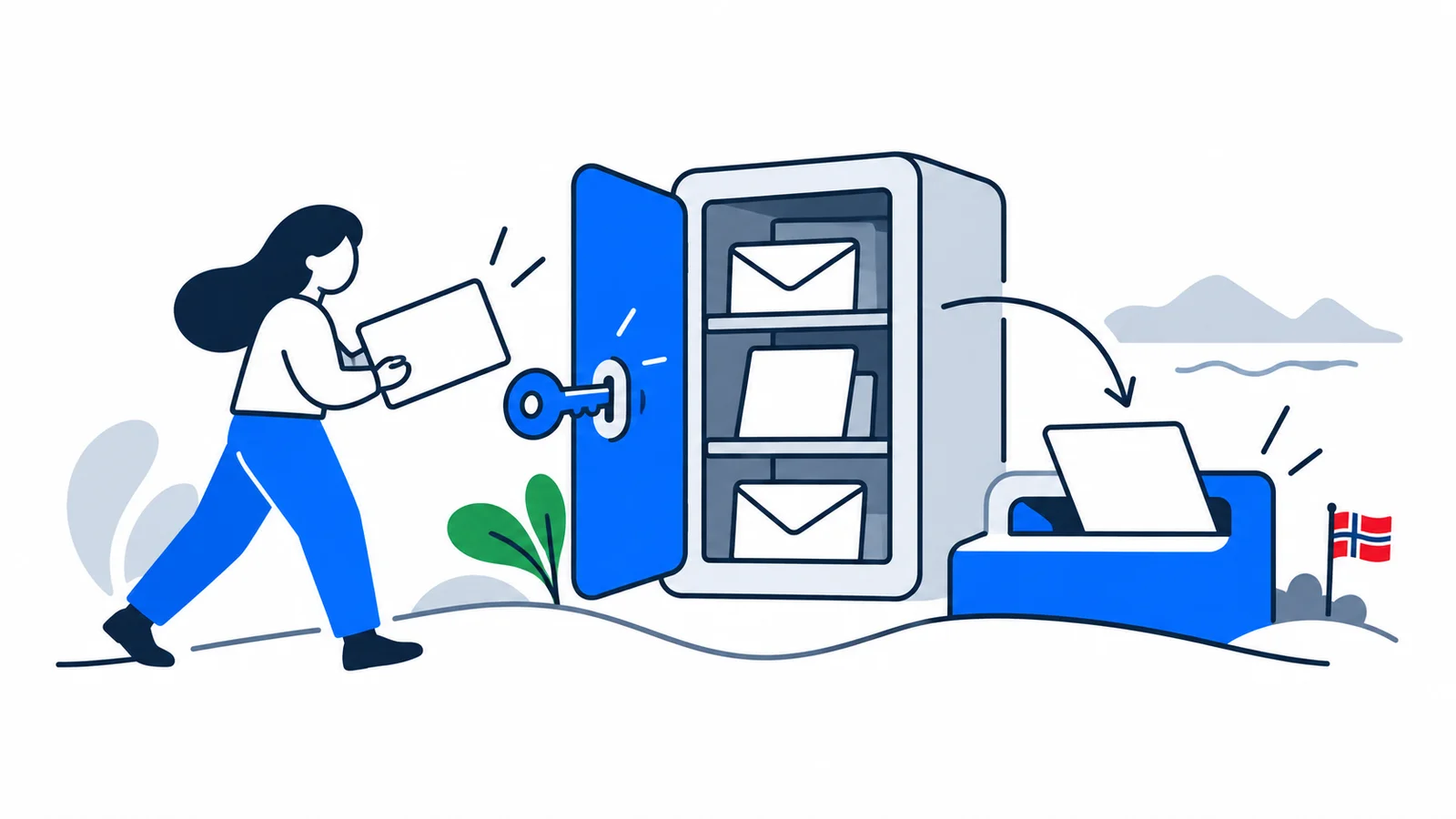
BankID is an electronic ID (e-ID) that confirms who you are online, much like a passport does in the physical world. Together with Buypass and Commfides, BankID is one of the three e-IDs with the highest security level in Norway. A BankID signature is just as legally binding as a handwritten signature, so you use it both to log in and to sign agreements – for example an employment contract, a rental contract or a form from school.
All public digital services use a shared login page called ID-porten. There you choose which e-ID you want to log in with: BankID, MinID, Buypass or Commfides. Most newcomers end up using either BankID or MinID, which is the government solution with a lower security level. If you don't have a Norwegian national identity number yet, you must first get a D number or national identity number – without one of these, you cannot register for any electronic ID.
The overview below shows the main differences between the four e-IDs:
| E-ID | Where you get it | Requires a bank account | Security level |
|---|---|---|---|
| BankID | Your bank | Yes | High |
| MinID | Digdir, online | No | Lower |
| Buypass | Buypass or Posten | No | High |
| Commfides | Commfides | No | High |
How to get BankID
You get BankID through your bank, not from the government or Skatteetaten. If you haven't opened a bank account in Norway yet, you need to do that first, since BankID always follows a customer relationship with a bank.
To apply for BankID you usually need:
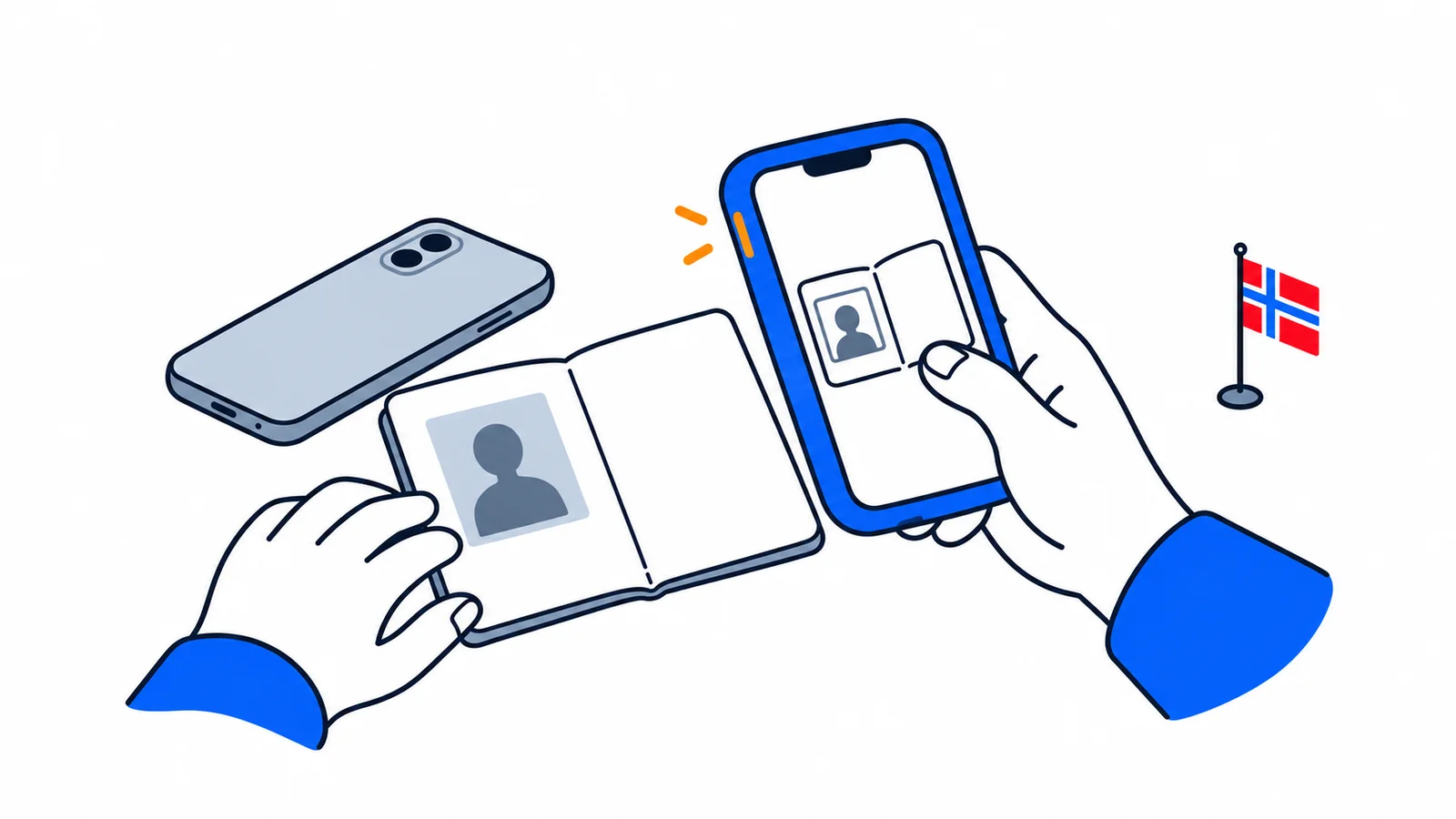
- valid photo ID, for example a passport
- a Norwegian national identity number or D number
- a customer relationship with a bank
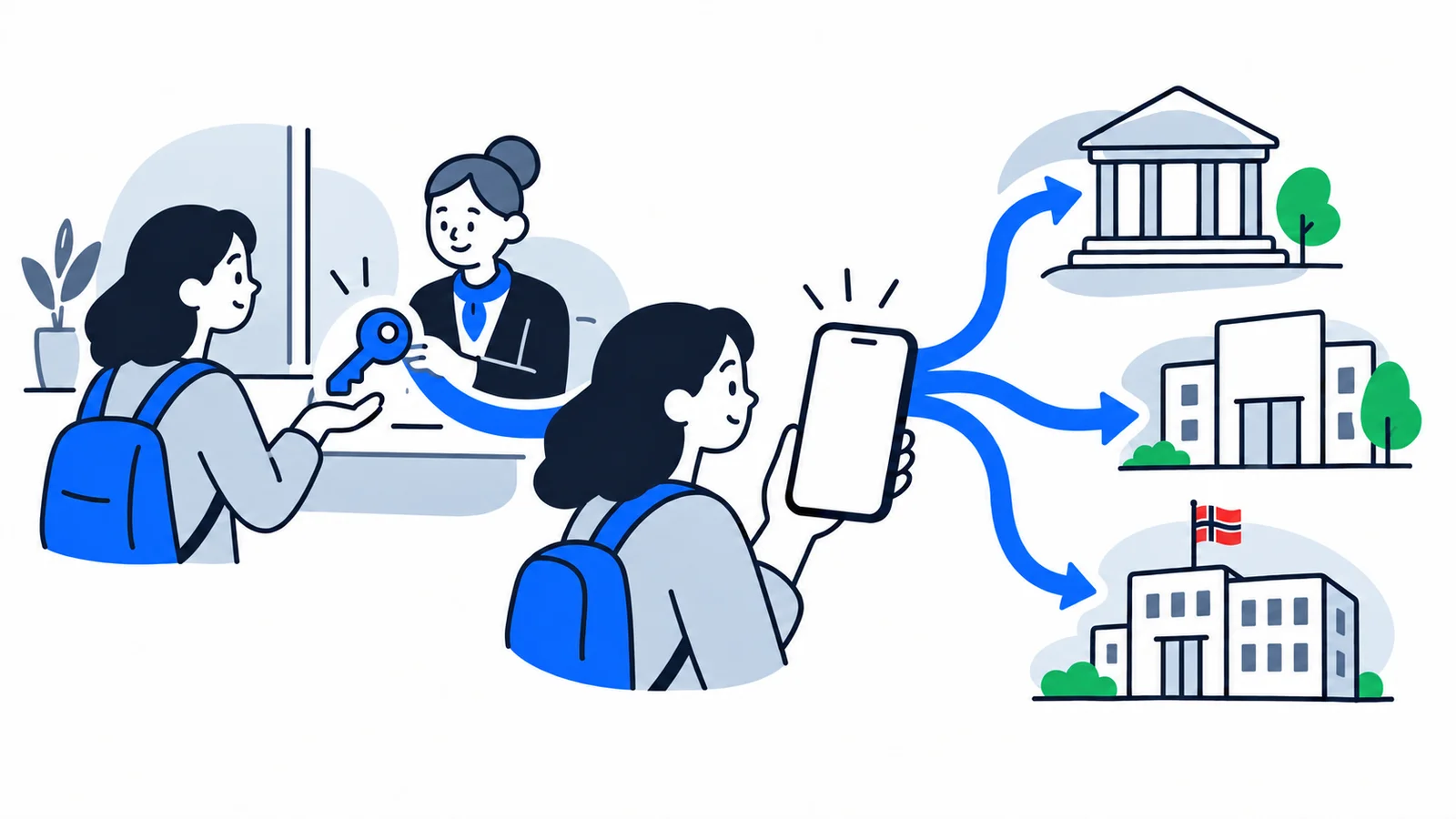
Most banks require you to show up in person with your passport, either at a branch or at a post office if the bank is fully digital. After the identity check, the bank activates the BankID app or a code device for you. At a branch, BankID is often ready the same day, while fully digital banks may take a few extra days to confirm your identity by post. The BankID service itself doesn't cost anything extra for private individuals – it comes with your bank account. Most people choose the BankID app on their phone over the older code device, since the app can also confirm login with a fingerprint or face recognition instead of a code every time.
What do you use BankID for?
With BankID you can log in, apply for services and sign documents digitally with most Norwegian government agencies and businesses. You use BankID for:
- online banking and payments
- Altinn, for forms and messages to the government
- Helsenorge, for appointments, prescriptions and medical records
- NAV (the Labour and Welfare Administration), for applications and payment cards
- Skatteetaten, among other things to submit your tax return
- signing rental contracts, employment agreements or other documents
- Vipps, which requires BankID verification once you turn 15 years old
Without BankID, you often have to show up in person or send paper mail for the same errands, which takes much longer than a digital signature. Many employers and landlords also ask for BankID signing today, so it pays off to get it early.
What do you do if you don't have BankID yet?
Many newcomers run into a chicken-and-egg problem: the bank wants you registered with a national identity number or D number before you can become a customer, while at the same time you need BankID for many digital services from day one. Some fully digital banks also require a certain length of residence in Norway before they open an account for you, while other banks accept a D number and give you an appointment at the branch right away.
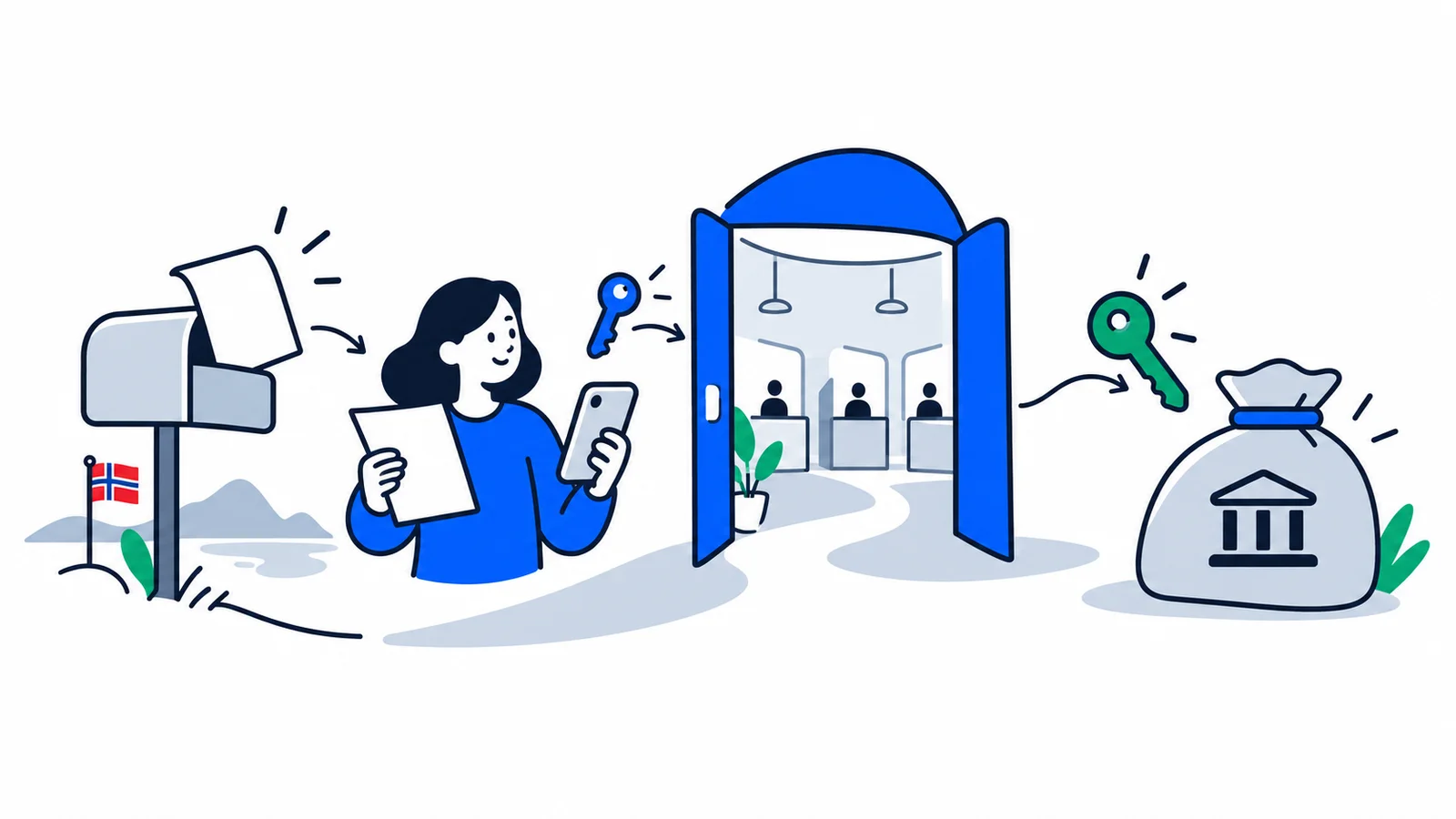
The solution is to take the steps in the right order: get a D number or national identity number, open a bank account, and apply for BankID as soon as you're a customer. Until then, use MinID as a temporary solution for the services that accept it. At SamfunnPrep we have a checklist for your first week in Norway that shows exactly in which order this should happen, so you don't get stuck between the bank and the authorities.
MinID: a simpler option while you wait
MinID is the government electronic ID from Digitaliseringsdirektoratet (Digdir), and you don't need a bank account to apply for it. You register yourself online with your phone number, email and national identity number or D number, and confirm your identity with a one-time code sent by SMS or by letter to your registered address.
MinID has a lower security level than BankID, so some services still require BankID, Buypass or Commfides for the most sensitive tasks, such as signing important agreements or certain banking services. But for everyday login at Skatteetaten, NAV and Helsenorge, MinID is good enough, which makes MinID a natural first choice while you wait for BankID. If you lose access to MinID, you can recover your account online or with help from a public office or library.
Security: how to avoid BankID fraud
Your BankID code is personal, and you should never share it with anyone – not even someone who says they are calling from the bank or the police. Always read the text shown in the app before you confirm, so you know exactly what you are approving, instead of just entering the code automatically.
- Real bank employees will never ask you to confirm a BankID code over the phone.
- Be wary of messages and emails with links that ask you to log in “to avoid being blocked.”
- Never confirm a BankID request that you did not start yourself.
- Call your bank on a number you know if something seems suspicious, and report fraud attempts to the police.
If you become unsure about a request, it's safer to hang up and call back yourself than to act on impulse. No legitimate sender will pressure you to act quickly.
Rules about digital identity are also part of the curriculum for the Samfunnskunnskapsprøven. Ready to practice? Try SamfunnPrep for free.