

Domestic violence in close relationships is prohibited in Norway, regardless of who you are or where you come from. Help is free and available throughout the country. You can call a crisis center, the VO-line 116 006 or the police 112 – even if you do not have a residence permit. Asking for help is a right, not a risk.
What is Domestic Violence in Close Relationships?
Domestic violence in close relationships is violence or threats from someone you are close to. It can be a partner, spouse, parent or other family member. The violence is often hidden behind closed doors, and many do not recognize all its forms. It can start small and increase over time.
Violence is more than hitting. The police and dinutvei.no (national guidance service for violence and abuse) describe several forms:
| Form of Violence | Examples |
|---|---|
| Physical | Hitting, kicking, pushing, choking, holding down |
| Psychological | Threats, humiliation, control, isolation |
| Economic | Taking your salary, denying you your own money, forcing you into debt |
| Sexual | Sex against your will, pressure, abuse |
| Control | Deciding who you meet, what you do, checking your phone |
All these forms are serious. Often several forms occur at the same time – for example, psychological violence and financial control without a single hit. You do not need visible marks to be entitled to help. Strict control of your everyday life is closely linked to negative social control, which is also illegal.
Is All Violence Illegal in Norway?
Yes. All domestic violence in close relationships is prohibited by law in Norway. This applies regardless of residence status, culture or religion. No tradition and no religion gives anyone the right to use violence.
This also applies to violence against children. The Children Act § 30 prohibits all violence in upbringing, clarified in 2010. Hitting, pinching, pulling hair or frightening a child is illegal – even if you call it discipline (discipline violence). Adults have a duty to protect children, not harm them.
That violence is prohibited means you have the law on your side. The person who commits violence can be punished. The person subjected to violence has the right to help and protection.
What is a Crisis Center, and Who Can Get Help?
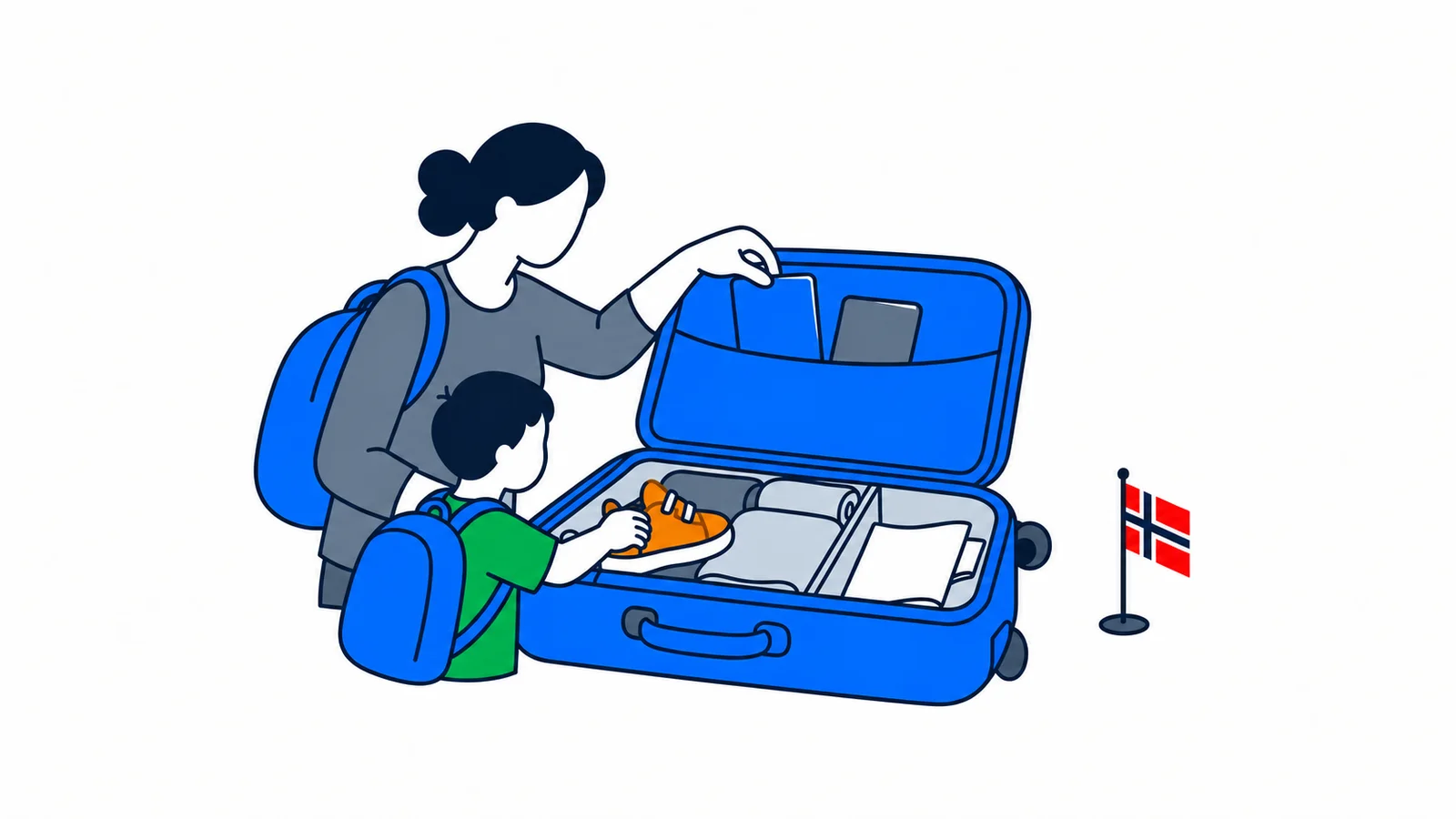
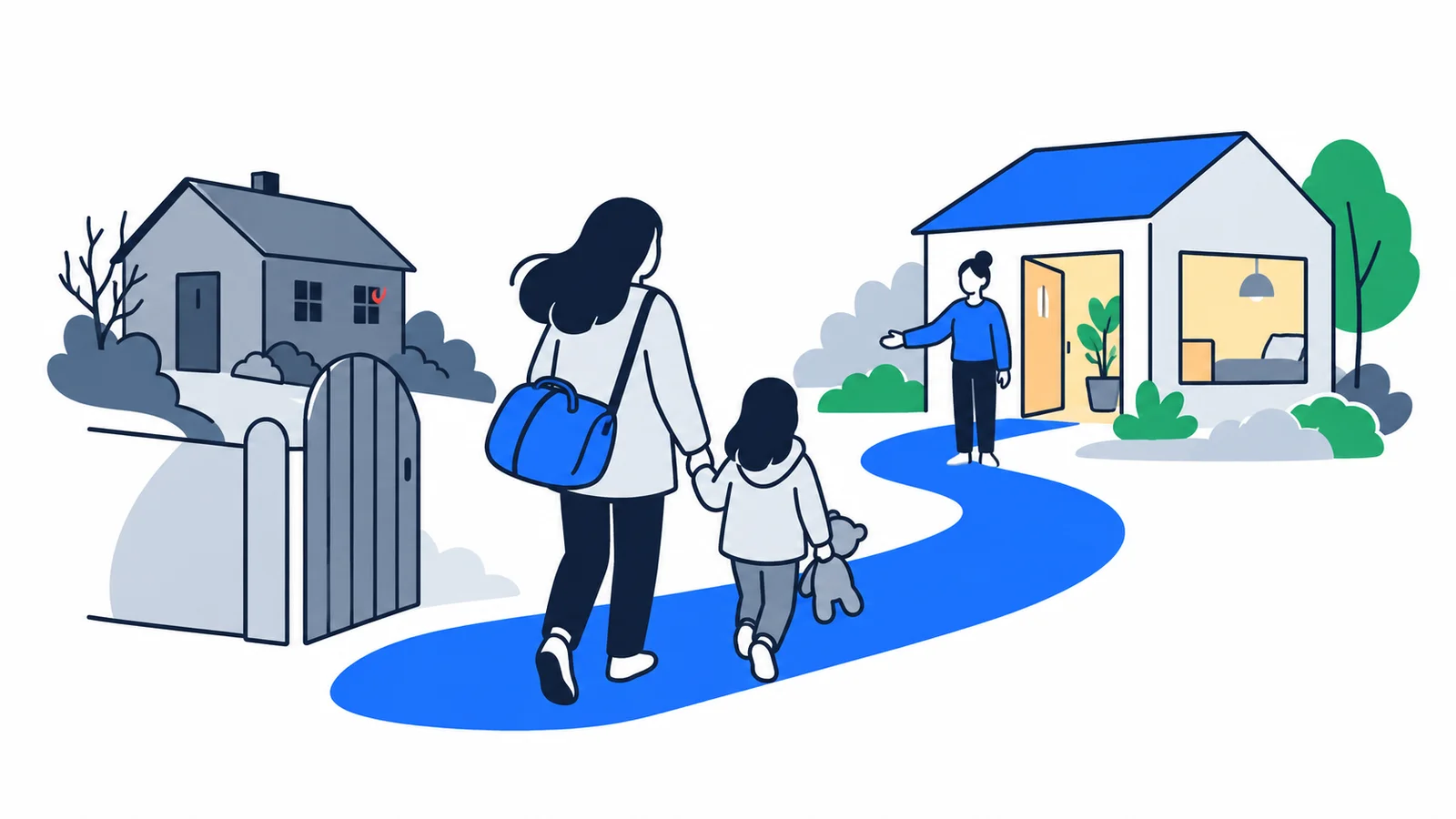
A crisis center is a safe, temporary shelter for you if you are a victim of domestic violence in close relationships. The service is free, open 24/7, and available throughout the country. You do not need a referral – you can contact directly, even in the middle of the night.
Under the Crisis Center Act (in force since 2010), every municipality must provide a crisis center service for women, men and children. Important facts:
- Free and open 24/7. You pay nothing, and you can call or come anytime.
- For everyone. Women, men and children can receive help.
- Regardless of residence status. The crisis center does not ask if you have a residence permit. Asylum seekers and undocumented migrants also have the right to help.
- Interpreter. You have the right to a qualified interpreter so you can explain your situation in your own language.
- Confidentiality. The staff are bound by confidentiality about who is there and what has happened (Crisis Center Act § 5).
The crisis center also provides advice, counseling and further contact with police, lawyers and NAV (Norwegian Labour and Welfare Administration). Children who come with a parent receive their own follow-up tailored to their age. You can bring your children, and you decide how long you stay. You can find the nearest center at dinutvei.no or by calling the VO-line.
Violence Alarms and Restraining Orders from the Police
The police can protect you from a violent person. Two important measures are mobile violence alarms and restraining orders. Both are free, and you apply through the police.
A mobile violence alarm is a small alarm you carry with you. When you press it, the police receive an alert and your location, and they respond. A restraining order means the violent person is not allowed to contact or visit you. If the person violates the order, the police can punish them. In serious cases, the court can also issue a reverse violence alarm, which the person must carry themselves.
In an emergency, call police 112. If it is not urgent, call 02800. The police should take you seriously, and you can request an interpreter you understand. You can also report the violence. Reporting violence to the police is free, and you can request an interpreter.
Can I Lose My Residence Permit If I Leave a Violent Partner?
No – leaving a violent partner is not a crime, and it does not necessarily cost you your residence. Many stay because they are afraid of losing their right to live in Norway. This fear is often unfounded.
If you received family immigration through a spouse or cohabiting partner, there is a special rule: the abuse clause. Under the Immigration Act § 53, you can receive a residence permit on an independent basis if you or your child have been abused in the relationship. The Norwegian Directorate of Immigration (UDI) counts threats, coercion, violence and restricting your freedom as abuse. Then you are not dependent on your partner to stay in Norway.
Seek advice before you act. A family counseling office provides free counseling, and a lawyer can explain what the abuse clause means in your case. You may also have the right to free legal aid in such cases. Keep documentation along the way: medical records, messages, photos and receipts can strengthen your case. The point is clear: you should not have to choose between staying in a violent relationship and staying in Norway.
Where Can I Get Help Right Now?
You do not have to do this alone. Several services are free, and some are anonymous. Here are the most important:
- Police 112 – in case of acute danger. 02800 when it is not urgent.
- VO-line 116 006 – the violence and abuse line. Free, open 24/7, and for the entire country. You can call anonymously, and also just to talk. Live chat is open weekdays 09–20.
- Crisis center – free, 24/7 shelter in your region.
- dinutvei.no – find help services near you and ask questions anonymously.
Help is also available for those who use violence. Alternatives to Violence (ATV) offers treatment and anger management so adults and young people can stop using violence. Asking for such help is a courageous and legal choice.
This also applies to the youngest in the family. Children have their own rights and should be protected from violence – read more about children's rights and self-determination.
Knowledge That Protects
Knowing your rights is your best protection. Violence is prohibited, help is free, and those who help you are bound by confidentiality. No one should have to live in fear of losing their residence or being rejected.
This is part of the curriculum for the citizenship exam. On SamfunnPrep you practice free on exactly these topics – violence, rights and the help system – in a language you understand. Secure knowledge makes you freer. Practice free on SamfunnPrep.