
Negative social control is pressure, surveillance, threats or rules that limit a person's freedom to live as they choose. It can concern friends, clothes, phones, school, work, a boyfriend or girlfriend, marriage, religion, sexuality, leisure or travel. In Norway, families are allowed to have expectations. They are not allowed to use violence, coercion or threats to control another person's life.
When does control become harmful?
Many families and communities have strong norms. That is not automatically negative social control. The problem begins when control becomes so strong that a person loses freedom, safety and the ability to decide for themselves. At that point, it may be hard to choose friends, join activities, go out alone, have a relationship, or choose education and work.
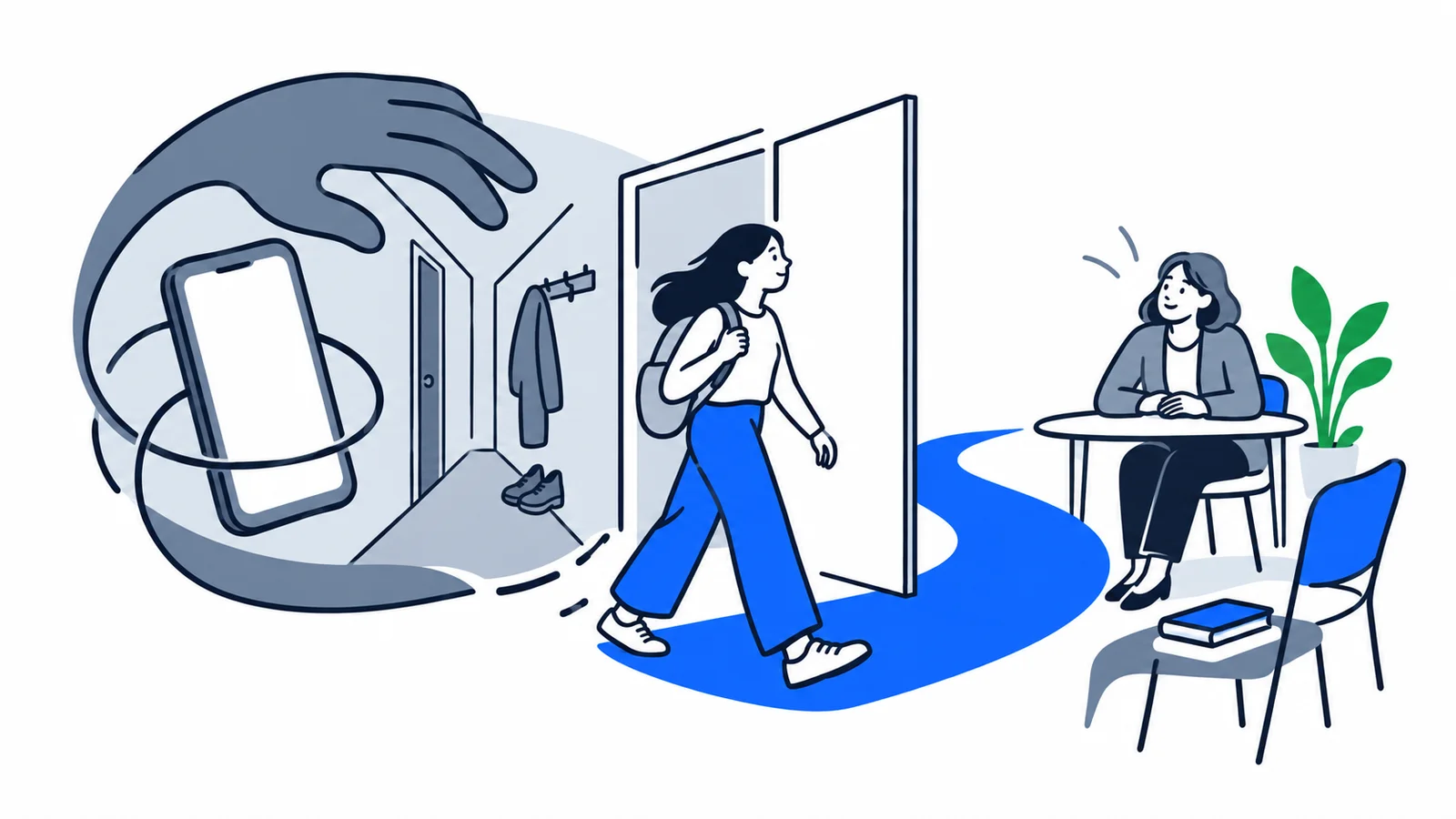
Negative social control can also happen digitally. Some people are told to share passwords, send photos of where they are, or answer all the time so others can keep track of them. Others are not allowed to use social media freely, are monitored through messages, or receive rules about who they may talk to online. Even when the control happens through a phone or the internet, it can be just as serious as control at home.
What does it look like in practice?
The control can be psychological, social, economic or physical. It can come from parents, siblings, relatives, a partner, friends or the wider environment around the person. Some people are pressured to dress in a certain way, keep relationships secret, leave school, or travel with family when they do not want to. Others face strict demands about virginity, honour, gender or who they are allowed to spend time with.
In serious cases, the control can be linked to forced marriage, honour-related violence, threats of violence, isolation, or being taken abroad and not allowed to return. It is always serious when a person cannot move, choose or say no without consequences.
What do Norwegian rights and rules say?
In Norway, children, young people and adults have the right to privacy, safety, education, health care and freedom from violence. Children have extra protection because they depend on adults for care and safety. Parents may set limits and rules, but they cannot use violence, threats or humiliation to control children or teenagers.
Norwegian law and Norwegian values are built on self-determination and equality. Culture, family honour or religion cannot be used as an excuse for coercion. That means a person can ask for help even if the family disagrees. No one should have to choose between safety and belonging.
Why is it important to ask for help early?
Many people who experience negative social control are afraid to speak up because of loyalty, shame, money or worry about what others will say. Some fear the situation will get worse if they tell someone. That is understandable, but it is exactly why it is important to ask for help early. The sooner someone knows what is happening, the easier it is to make a safety plan and find the right support.
If you are unsure whether what you experience is serious enough, you can still ask for advice. You do not need to wait until the situation becomes acute. It is better to ask once too often than once too late.
Who can help?
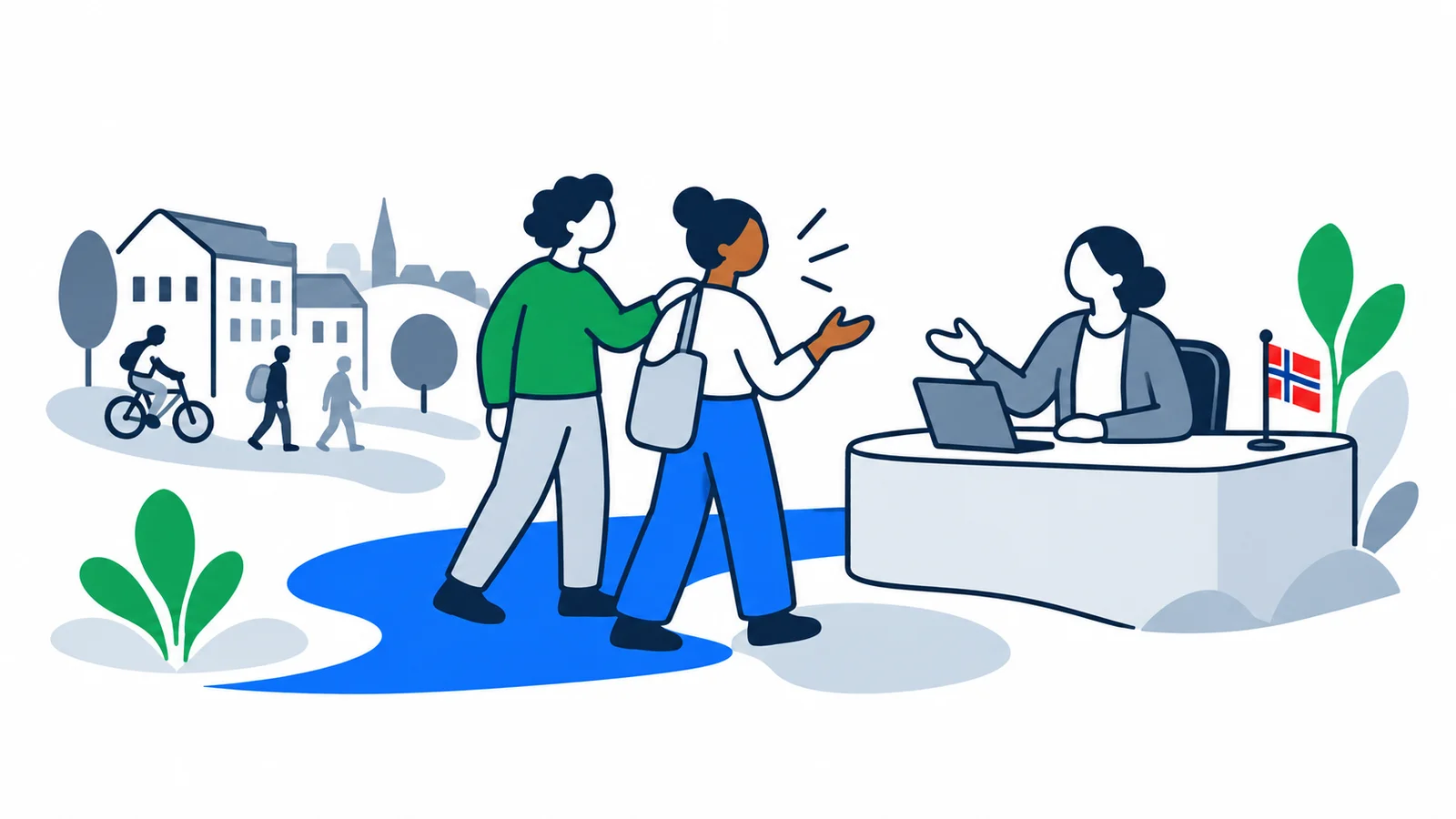
You can talk to a teacher, school nurse, doctor, crisis centre, NAV, child welfare services, the police or another adult you trust. If you are under 18, child welfare services can help when you are exposed to violence, serious neglect or harmful control. Schools and health services also have a duty to take concerns seriously.
Bufdir says to contact the police at 02800 when the case is serious, and 112 in an emergency. In an acute danger situation, do not wait for others to agree first. Call immediately. The Competence Team against negative social control and honour-related violence can guide support services in difficult cases. They can be reached at 478 090 50 on weekdays from 09:00 to 15:00 or at kompetanseteamet@bufdir.no.
IMDi's resource Nora is also designed to make it easier to learn about rights, find help and understand that you are not alone. The point is that you should know which doors exist, and that you can use them before the situation gets worse.
If you fear travel abroad or being held back
Some people experience control around holidays, family visits or trips. If you are afraid you will be sent out of the country, left abroad or prevented from coming home, you should speak up as early as possible. Talk to a trusted adult, your school or a support service before departure if you can. In such a situation, safety, documents and contact persons who can help further are important.
If you are already in danger, contact the police immediately. In an acute emergency, 112 is the correct number. You do not need to have every detail ready before you call. The key thing is that someone learns you are in danger.
Boundaries in everyday life
It also helps to distinguish ordinary family boundaries from harmful control. All families say no sometimes. Parents may decide bedtime, screen time or chores. It becomes negative social control when the boundary is no longer about care, but about controlling a person's life, isolating them or preventing normal choices. At that point, it is not just upbringing; it is a restriction on freedom.
If you are unsure
If any of this sounds familiar, you do not need to be completely sure before you make contact. You can describe the situation as you experience it, even if you find it hard to put everything into words. The support system is used to assessing risk, listening and asking follow-up questions. The important thing is that you do not carry the pressure alone.
What to remember for the test
For the social studies test, you should be able to explain that negative social control is not a private family matter when it limits freedom or involves coercion. You should also be able to say that Norwegian law protects the right to make your own life choices, and that help is available through school, health services, crisis centres, the police, NAV and child welfare services. Culture and religion can never be used to justify violence or serious control.
Short version
Negative social control is control that goes too far and takes away freedom. Norwegian law sets limits on what family, community and authorities can demand from you. When control becomes harmful, help exists, and you can ask for it without waiting for the situation to get worse.