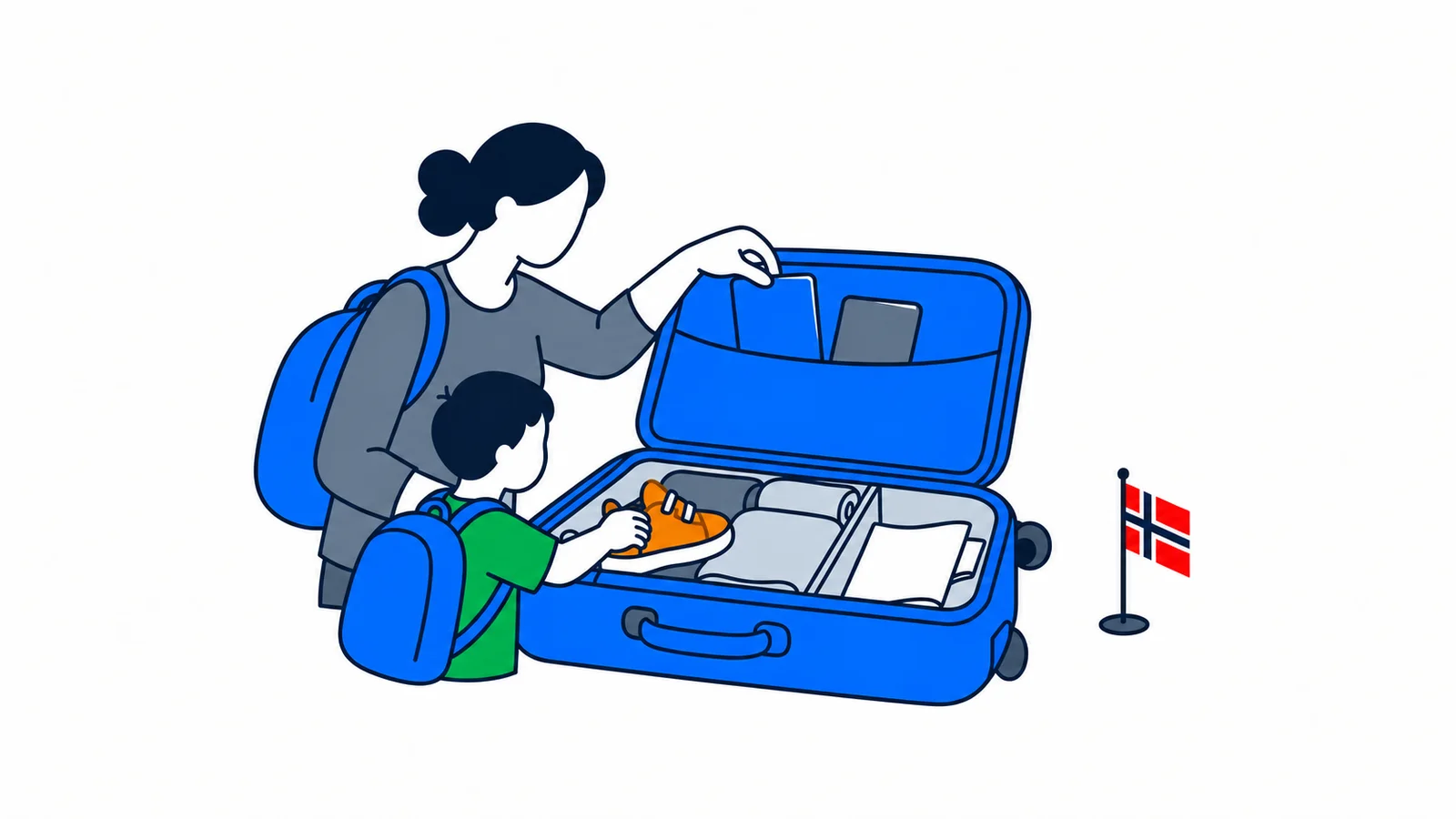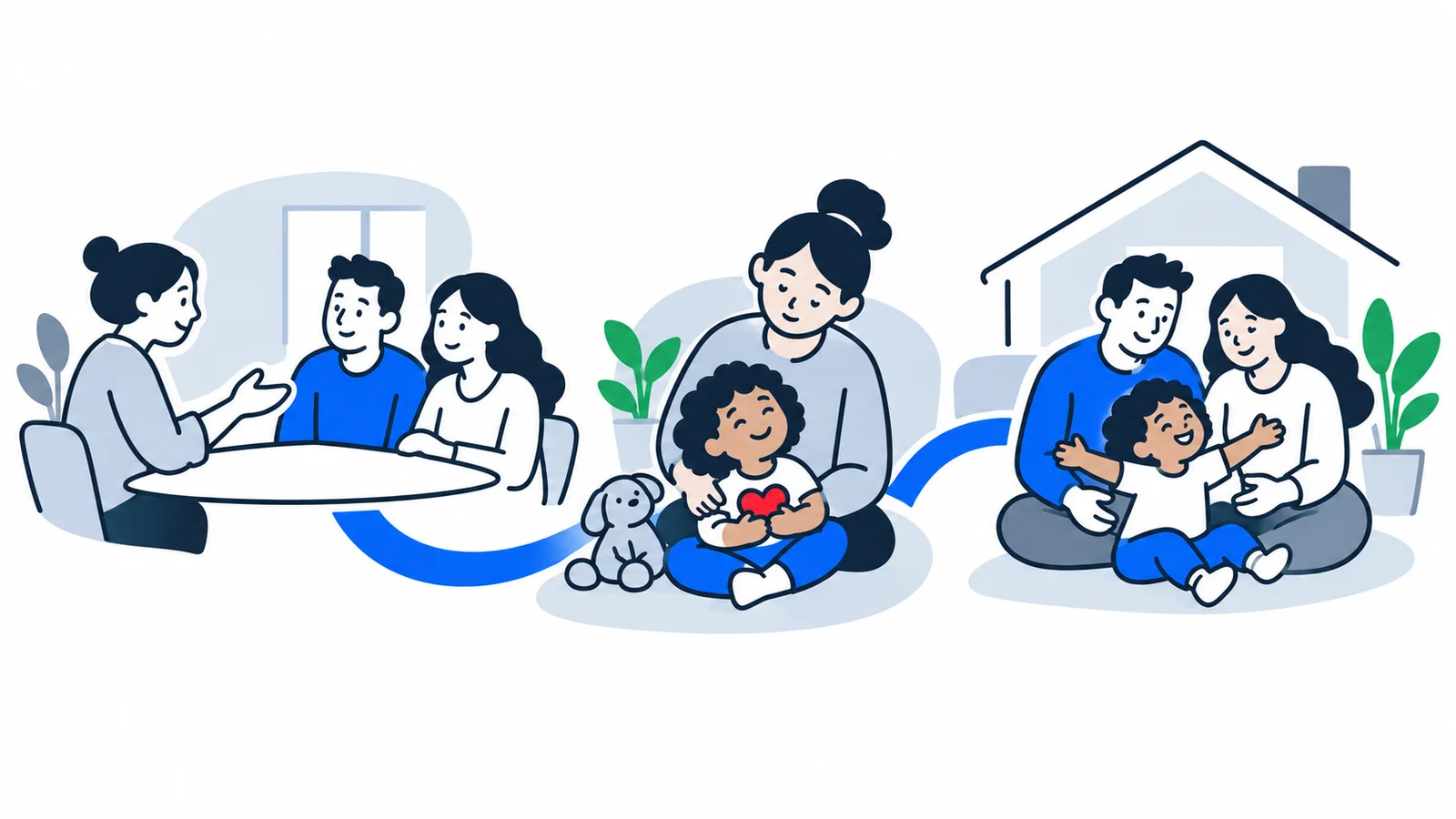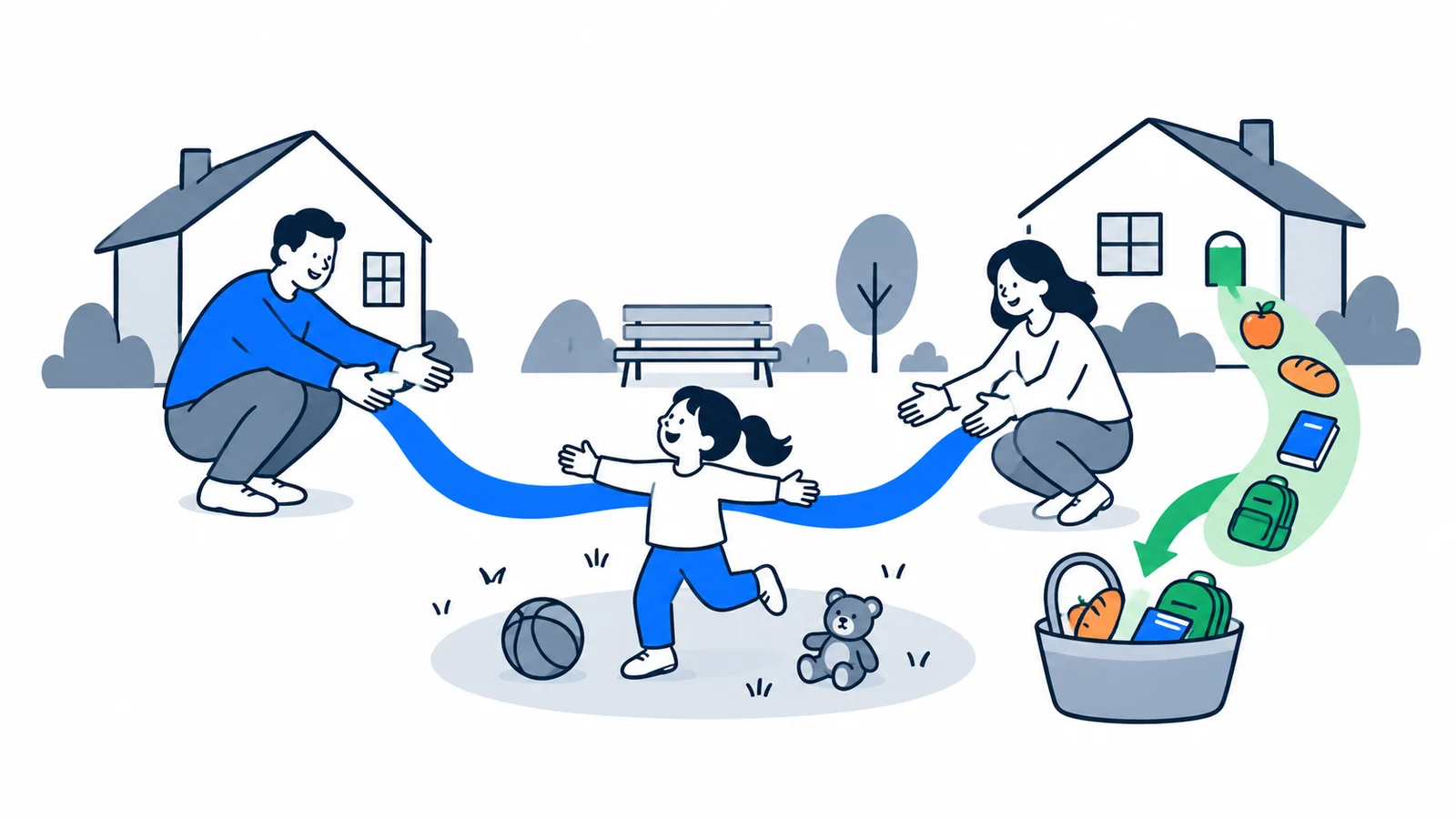


The Children Act applies to children under 18. Children must be heard from age 7, their opinion has great weight from age 12, they decide education and organisation membership from age 15, and they become legally adult at 18.
The Children Act – the basis for children’s rights
The Children Act is the Norwegian law on children and parents. It regulates parental duties and children’s rights, and it treats people under 18 years as children. Parents must give care, safety and guidance, but parental responsibility must be used in the child’s interests and needs.
Children are not legally adult before 18, but they have rights before that. The law gives them gradually more influence. It also forbids violence in upbringing, both physical violence and treatment that can harm mental health. For more on physical punishment, read limits in child upbringing in Norway.
Participation from age 7: the child has the right to be heard
From 7 years, a child has a clear legal right to information and to state their opinion before decisions are made about personal matters. Younger children who can form their own views must also be given a chance to speak.
This can concern where the child lives, contact with parents, daily choices, activities and school life. Being heard does not mean the child always decides. Parents still make responsible choices, but they must listen, explain and take the child seriously. See also how the school system works in Norway.
From age 12: the child’s opinion carries more weight
From 12 years, the Children Act says that great weight must be given to the child’s opinion. The child still does not decide everything, but parents cannot treat the view as a minor detail.
This is especially important in questions about residence, contact and everyday life after a family break-up. The child should not be forced to choose sides, but should be able to explain what daily life feels like. For related rules, see separation and divorce in Norway.
Self-determination from age 15: education and organisations
From 15 years, the child decides certain matters personally. The child decides questions about education, such as school, programme, courses or other training within ordinary rules.
The child can also decide to join or leave associations. The Act on Religious and Life Stance Communities says that people who have turned 15 can themselves join or leave such communities. If Karin is 15 and wants to leave a religious congregation, she decides; parental consent is not required.
Legal age: 18 and full legal capacity
The legal age in Norway is 18 years. Under the Guardianship Act, people under 18 are minors, and a person who has turned 18 is legally adult. From then, the person can normally sign contracts, rent housing, take loans and control their own money.
The 18-year limit also appears in other areas: marriage, voting when election rules are met, and buying lower-strength alcohol. For family law context, see marriage and cohabitation in Norway.
Violence in upbringing is illegal – without exceptions
The Children Act says that a child must not be exposed to violence or be treated in a way that can harm physical or mental health. This includes all violence in upbringing. There is no legal “light slap”.
Public employees and many professionals must notify child welfare services when the legal conditions are met, for example if there is reason to believe a child is abused or seriously neglected. Child welfare should protect children and preferably help in cooperation with the family. Read more about child welfare and immigrant families.
As of 28.06.2026, a new Children Act from 2025 has been adopted, but Lovdata states that it enters into force when the King decides. This guide therefore uses the current 1981 Children Act.