
Forced marriage and female genital mutilation are prohibited in Norway. You have the right to choose your own partner and to say no. Help is free and confidential, regardless of your residence status. Call the Kompetanseteamet on 478 090 50 or the police on 112.
This article explains your rights in a calm and clear way. The aim is not to frighten, but to show what the law protects and where you can find safe help.
You have the right to choose yourself – and to say no
In Norway, you decide for yourself who you want to marry. You also have the right to choose not to marry. No one can force you – not parents, family or others.
It is legal to have an arranged marriage if both people agree voluntarily. Your family may suggest a partner. But the choice must be yours, and you can always say no. The line is simple: arranged and voluntary is legal, coercion is prohibited.
These rights are connected to children's rights and self-determination in Norway. If you want to know more about the rules for marriage, you can read about marriage and cohabitation in Norway.
Is forced marriage prohibited in Norway?
Yes. Forced marriage is a criminal act. It is stated in the Criminal Code § 253. Anyone who forces someone to marry using violence, threats, deprivation of liberty or undue pressure can be punished with up to 6 years in prison (current as of 8 July 2026).
It is also illegal to help. Planning, pressuring or arranging a forced marriage is covered by the law. From 1 April 2021, the prohibition also applies to marriages that are not officially registered, that is, unregistered forced marriages.
The law protects you even if the wedding is to take place abroad. It is illegal to deceive or send a person to another country so that they can be forced into marriage there.
Female genital mutilation is prohibited – even abroad
Female genital mutilation means damaging a girl's or woman's genitals. In Norwegian it is also called circumcision of girls. This is prohibited under the Criminal Code § 284.
The penalty is up to 6 years in prison. Serious female genital mutilation can result in up to 15 years in prison, under § 285. Consent does not exempt from punishment. This means that the procedure is illegal even if the girl or family "agrees to it".
The prohibition also applies if the procedure takes place abroad. Taking or sending a child to another country for female genital mutilation is illegal in Norway.
Many adults have a special duty to prevent this. It is called the duty to avert, and is stated in the Criminal Code § 196. Teachers, healthcare workers, employees in kindergartens and child welfare services – and ordinary people – should try to stop a forced marriage or female genital mutilation they know is about to happen. Then they do not breach confidentiality; they follow the law.
What is honour-related violence and negative social control?
Honour-related violence is violence or threats to protect or restore the family's "honour". Negative social control is strict control of your life that violates your rights.
This can for example be:
- You are not allowed to choose friends, clothes or leisure activities.
- Someone monitors your phone, social media or where you are.
- You are not allowed to have a partner or determine what happens to your own body.
- You are threatened, isolated or punished if you resist.
Some boundary-setting from parents is normal. But control that takes away your freedom and your rights is not acceptable. You can read more about negative social control in Norway and where the line is drawn.
What if you are detained abroad against your will?
Some young people are taken to their parents' home country and held there. It may be about forced marriage, "upbringing" or control. This is called involuntary stay abroad, and you have the right to help.
The Norwegian embassy or consulate (foreign service station) can help. They work with the Kompetanseteamet in Norway to help you get home safely. Contact the Kompetanseteamet or police before a trip if you are afraid this might happen.
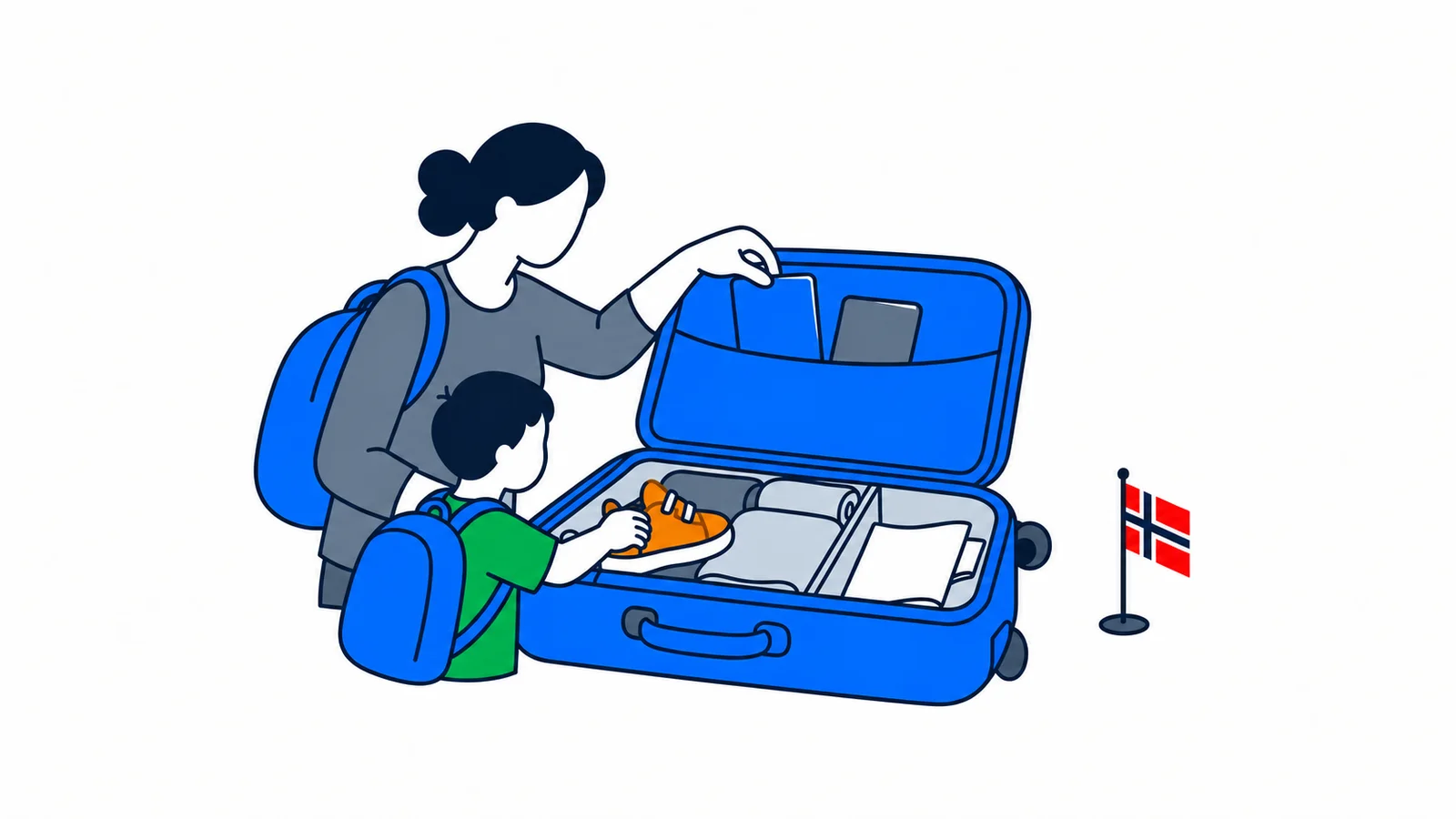
If you are worried before a trip, you can do a few simple things:
- Tell someone you trust, for example a teacher or school health nurse.
- Take a picture of your passport and make a copy of important documents.
- Save the phone number of the Norwegian embassy in the country you are travelling to.
- Agree on a code word with a friend in Norway, so they know you need help.
You are not alone in this. In 2024, the Kompetanseteamet helped with 1 402 individual cases of negative social control, forced marriage and honour-related violence – the highest number ever, and 23 percent more than the year before. Asking for help is common and safe.
Who can you contact? Help is free and safe
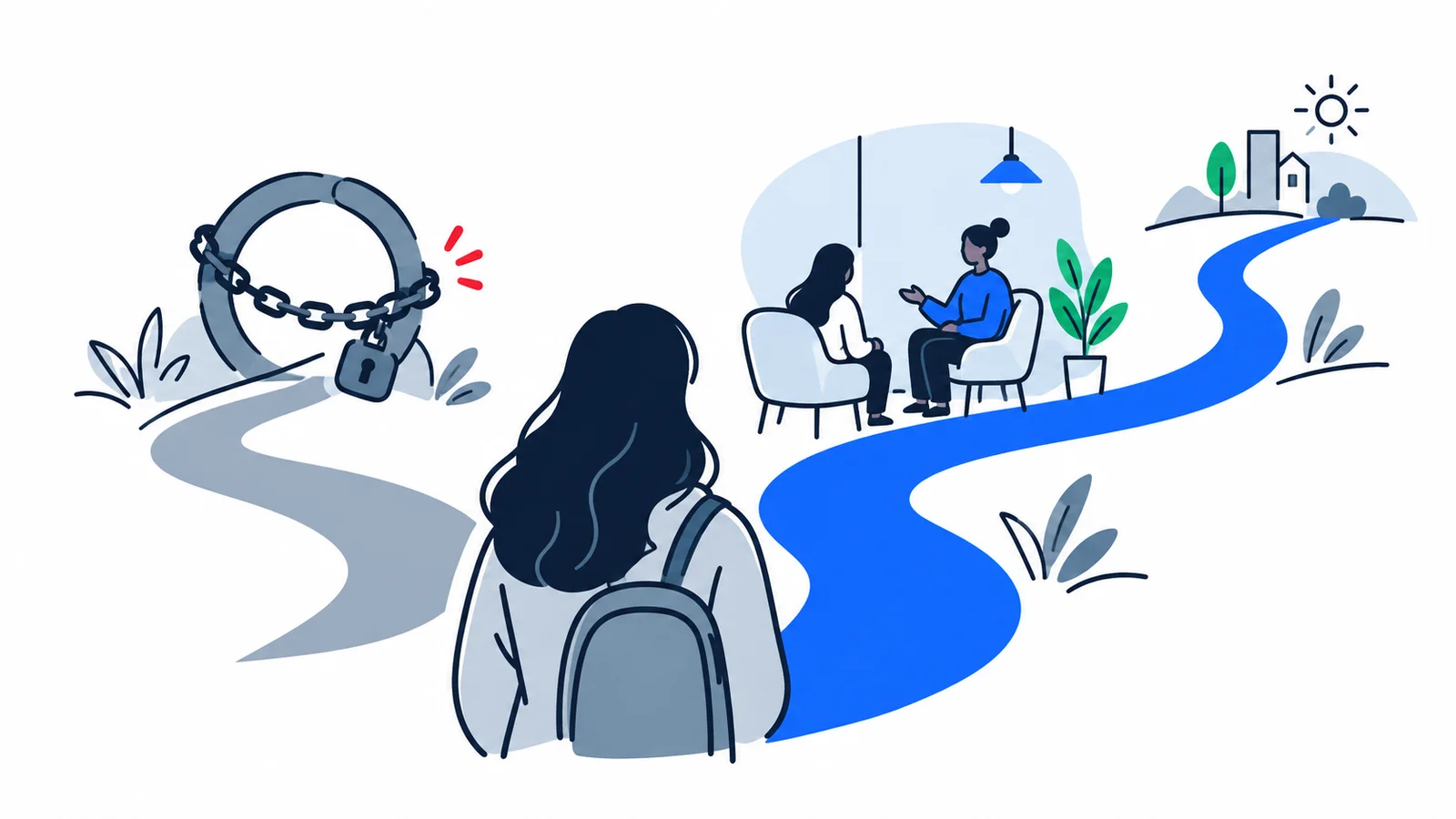
You can always ask for help. Help is free and confidential, and you get it regardless of what your residence status is. You can ask anonymously without giving your name.
The most important team is called Kompetanseteamet mot negativ sosial kontroll og æresrelatert vold. It is a national team run by the Norwegian Directorate for Children, Youth and Family (Bufdir) together with, among others, the police, IMDi (The Directorate of Integration and Diversity), NAV and the health authorities.
| Who | Contact | When |
|---|---|---|
| Kompetanseteamet | 478 090 50 · kompetanseteamet@bufdir.no | Mon–Fri 09–15 |
| Police (emergency/crisis) | 112 | 24/7 |
| Police (non-emergency) | 02800 | 24/7 |
| dinutvei.no | anonymous question service online | 24/7 |
| Minority adviser | at your school | during school hours |
At many secondary schools and upper secondary schools there is a minority adviser (now also called diversity adviser) from IMDi. They can give advice and follow you up safely. You can also talk to a school health nurse at a youth health clinic or at school.
On the website dinutvei.no you will find a national overview of help services. There you can ask questions anonymously. The website is run by the National Centre for Violence and Traumatic Stress (NKVTS) for the Ministry of Justice and Public Security.
If you are considering reporting to the authorities, you can read how to do so in the guide on how to report to the police in Norway. If there is imminent danger, always call 112 immediately.
This is also part of the curriculum
Rights, equality and the prohibition of forced marriage and female genital mutilation are topics in the Norwegian Social Studies Test. Knowing your rights is both safe for you and useful for the test.
At SamfunnPrep you practise precisely this with simple questions and explanations. SamfunnPrep helps you understand how Norwegian rules protect you in everyday life.
This is part of the curriculum for the Norwegian Social Studies Test – practise for free on SamfunnPrep.