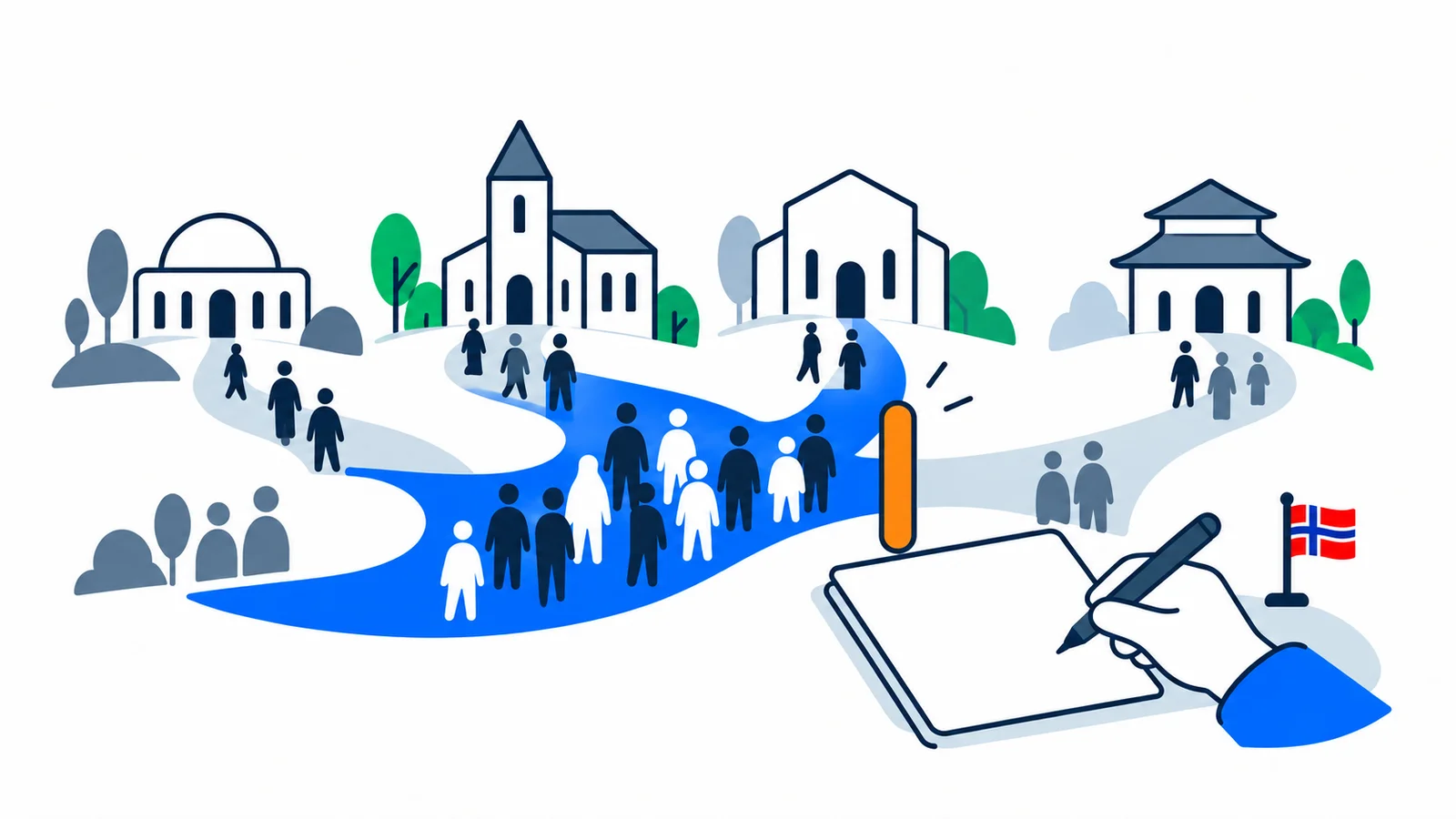

Confirmation in Norway marks the transition from child to teenager, often the year you turn 15. You can choose religious confirmation in Den norske kirke or humanistic confirmation without religion. It is completely voluntary, and the family chooses itself.
What is confirmation?
Confirmation is a tradition that marks that a child is on their way to becoming an adult. Most people in Norway are confirmed the year they turn 15, that is, in 9th grade. You register the year before, while you are in 8th or 9th grade.
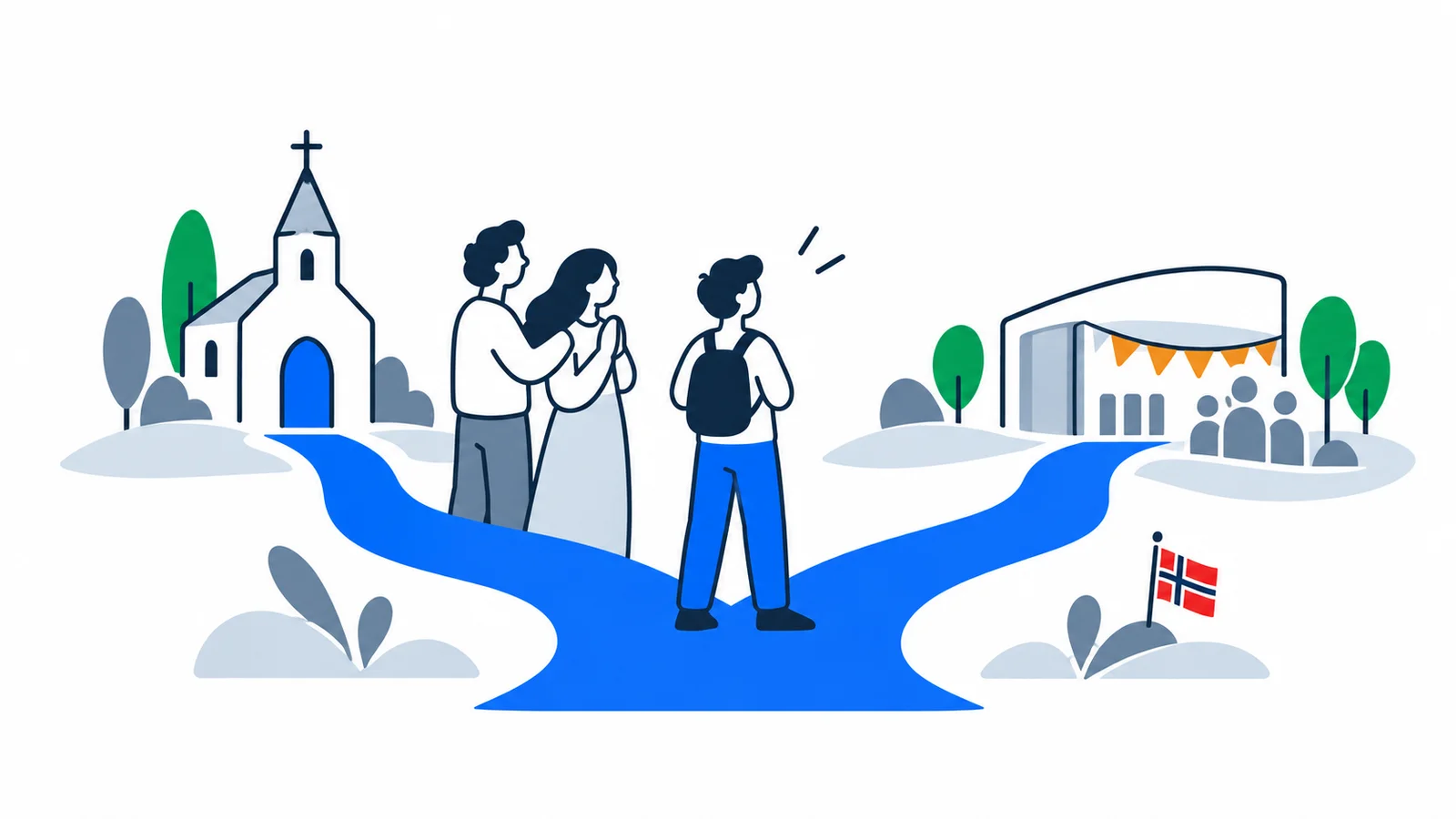
Confirmation is completely voluntary. No one has to be confirmed. The family chooses themselves, and the young person should also get to say their opinion. You can choose between:
- religious confirmation in Den norske kirke,
- humanistic confirmation without religion,
- confirmation in another faith or worldview community,
- or not being confirmed at all.
For many young people it feels important because their friends do it. Talk to your child about what kind of confirmation is right for you. Understanding such choices is part of Norwegian values and unwritten rules.
The choice of confirmation is private. It does not affect the child's rights, school place or residence permit, and the state does not use it for anything. It is only the family's and young person's own choice.
Religious confirmation
Religious confirmation is a celebration in Den norske kirke where the young person receives a blessing. To be confirmed in the church you must be baptized. If you are not baptized, you can be during the confirmation period – around one thousand young people are baptized this way each year.
The confirmation period usually lasts six to eight months, with gatherings and often a camp. Young people learn about faith, ethics, friendship and life. The church emphasizes that confirmation is a blessing action, not a requirement that the young person must believe. Everyone is welcome – both those who believe, doubt and are uncertain. In 2023, about 32,000 young people chose religious confirmation, about half of all 15-year-olds.
Humanistic confirmation
Humanistic confirmation is an offering without religion, arranged by Human-Etisk Forbund. The first was held in Oslo in 1951 and was then called "civil confirmation". Today, around 13,000–15,000 young people choose this each year, about one in five.
The course is not about faith, but about thinking for yourself: ethics, human rights, critical thinking and how to make good choices in life. It ends with a solemn ceremony with family and friends. Humanistic confirmation is open to everyone, regardless of background. You can choose it even if you or your parents belong to another faith or worldview community. The right to choose faith and worldview freely is protected in Norway; read more about freedom of religion in Norway.
Confirmation in other faith communities
Other faith communities also have their own transition rituals for young people. In the Catholic Church, confirmation is a sacrament, and in Orthodox churches it happens in connection with baptism. Several other church communities and religious environments have their own celebrations. If you live in Norway and belong to a particular faith community, you can ask there about what they offer.
What should the family choose?
There is no one right answer. The choice depends on the family's faith and values, and on what the young person wants. Some choose religious confirmation because of faith or tradition. Others choose humanistic because they want a celebration without religion. Both are common and accepted.
It is not uncommon for the young person to choose differently than the parents want. Then it is wise to talk calmly together about what is important to you. Confirmation is a typical part of youth life in Norway, and a good opportunity to get to know other families.
Party, gifts and cost
The day itself usually begins with a ceremony: a church service in the church, or a solemn ceremony in a cultural center or town hall for the humanistic. The young person dresses nicely, and the family takes pictures.
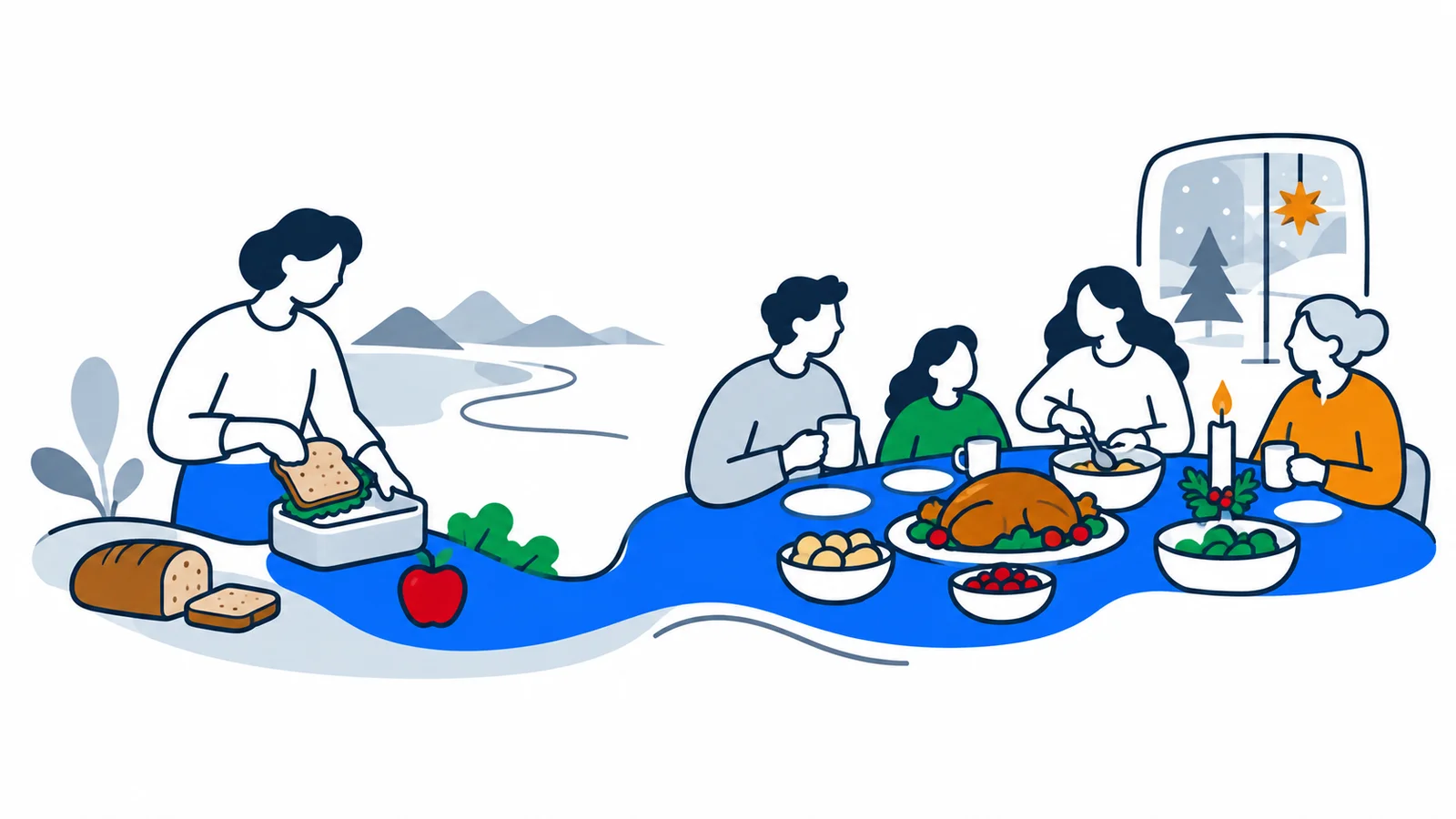
Afterward, a family celebration with good food, cake and speeches is common. Many give the confirmant gifts, often money. The party can be large or very simple – it's up to the family. You don't need to spend a lot of money for the day to be nice; the most important thing is to celebrate the young person. Feel free to talk with other parents about what is common where you live, so you won't be surprised by costs or expectations.
Confirmation, faith and worldview are also topics you encounter in samfunnskunnskapsprøven. On SamfunnPrep you can learn more about Norwegian society and practice for free. Ready to practice? Try SamfunnPrep for free.