
Buy now, pay later in Norway looks free, but it is credit. If you pay the full invoice on time, it costs nothing. If you choose installments or pay late, interest and fees can become expensive.
What is buy now, pay later in Norway?
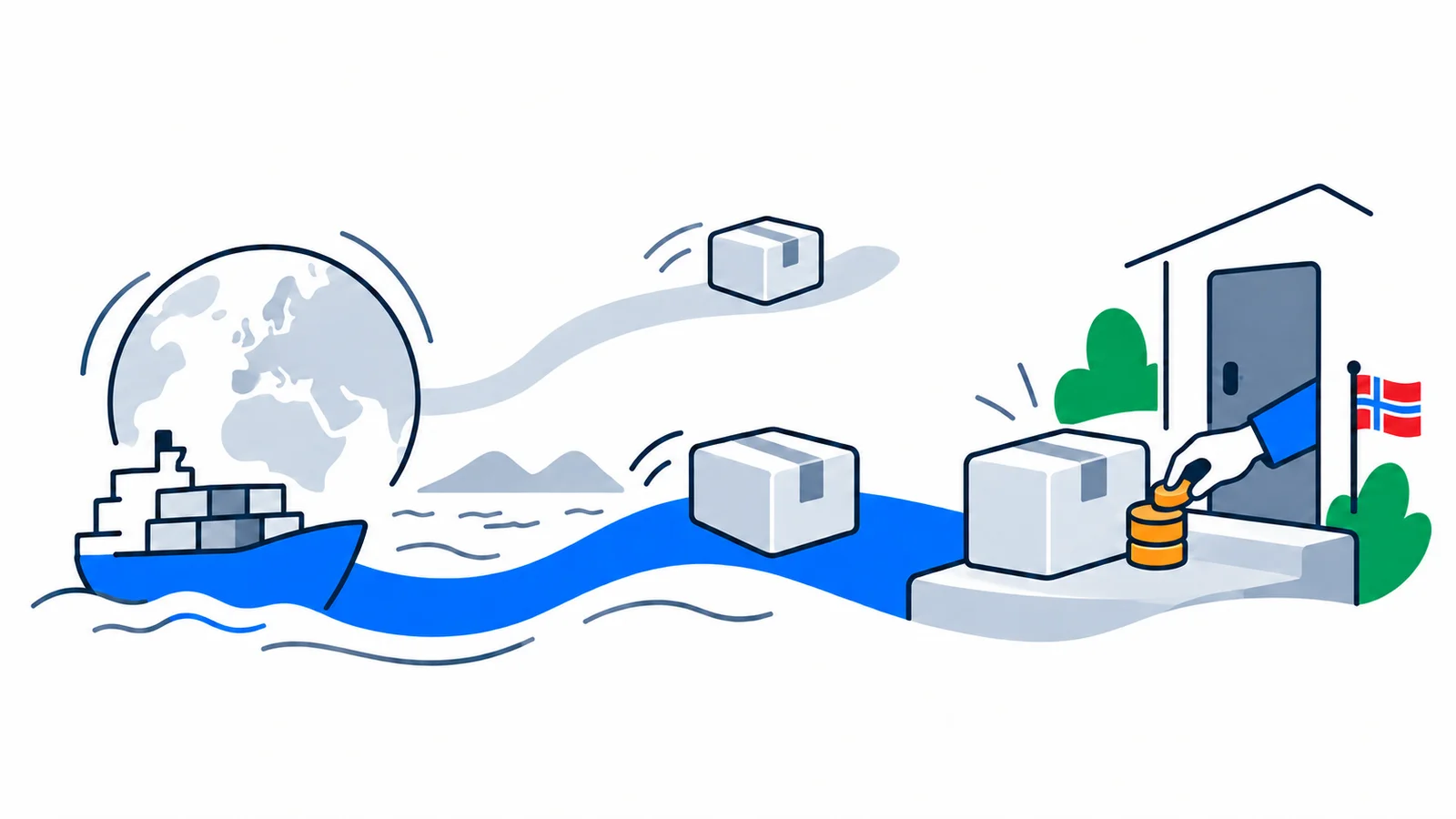
Buy now, pay later in Norway (in English "buy now, pay later", often abbreviated BNPL) is a payment method you encounter in many online stores. The most common providers are Klarna, Vipps and Walley. You get the goods first and pay afterwards.
An invoice is a bill you receive for a purchase. With buy now, pay later you usually get an invoice with a 14–30 day payment deadline. During this period, the purchase is interest-free. If you pay the full amount by the deadline, you pay nothing extra. At checkout online, the offer often looks like the cheapest option, but it is the payment delay itself that makes it risky.
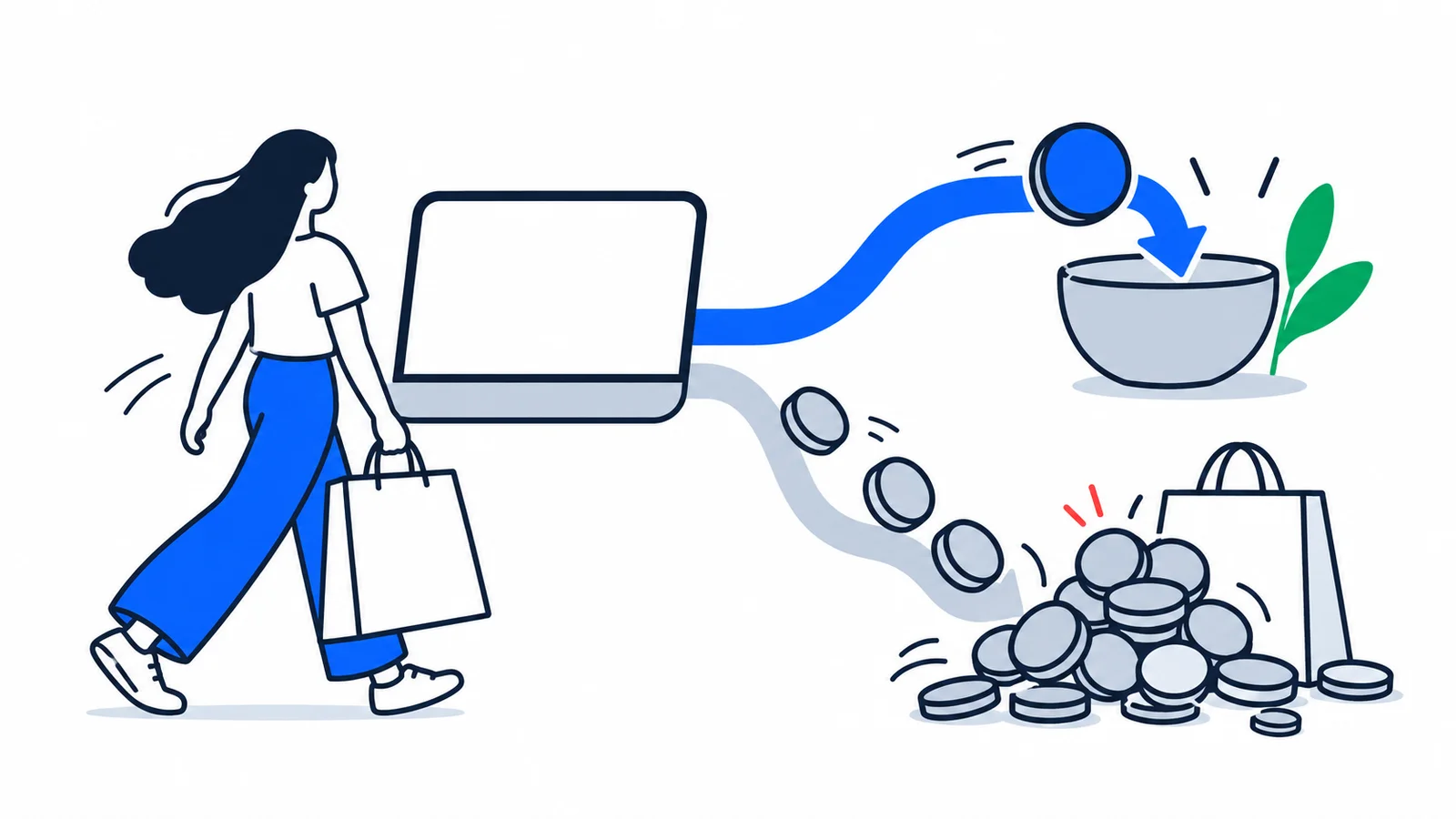
The problem starts when you do not pay everything at once. Then the app often offers to convert the invoice into installments. Installments mean you divide the bill into smaller payments over several months. This is a loan, and a loan costs money. If you buy, for example, a jacket for 3,000 kroner and divide it over 12 months, you can end up paying several hundred kroner extra in interest and fees.
The interest is higher than you think
When an invoice becomes installments, the interest begins to accrue. Effective interest rate is the total price of the loan in percent per year. It includes both interest and all fees, so you see what the credit actually costs. Store norske leksikon (snl.no) calls the effective interest rate "the true cost of a loan".
With several BNPL providers, the effective interest rate on installments is around 20–25 percent per year. On top comes often a monthly invoice fee. This makes installments one of the most expensive ways to borrow. A regular credit card or personal loan is often cheaper.
Forbrukerrådet (the Consumer Council) warns strongly against these solutions. In June 2025, they filed a complaint against Klarna with Forbrukertilsynet (the Consumer Authority). The reason was that the price of the credit was not clearly displayed, and that the app suggested the highest credit limit automatically. Around 1.1 million Norwegians have expensive consumer debt, and much of the growth comes from young people.
How do you end up in the debt trap?
A debt trap is when many small purchases grow into a large debt you cannot afford to pay. With buy now, pay later this happens easily, because each purchase feels small. Here are the most common traps you should avoid:
- You forget about the invoice. If you pay late, you first get a late fee. In 2026 the late fee is a maximum of 38 kroner, and the late payment interest is 12 percent per year.
- You choose installments to avoid paying now. Then an expensive interest starts running until everything is paid off.
- You gather many small purchases. Five purchases at different stores quickly become five invoices, each with its own deadline.
- You ignore the bill. Then the claim goes to debt collection. Read more about debt collection and what happens then.
If you still do not pay, you can get a debt remark. This is a record that shows you have not paid your debt. A remark makes it difficult to get a mortgage, a mobile subscription, or new credit in the years that follow. See the consequences in the article about debt remarks.
Understanding credit and debt is part of good personal finance. Economics and consumption are also part of the curriculum for the citizenship test — you can practice for free on SamfunnPrep.
Invoice or installments: what is the difference?
| Invoice (full amount) | Installments (payments) | |
|---|---|---|
| What it is | One bill with a deadline | A loan over several months |
| Interest-free? | Yes, within 14–30 days | No, interest from the start |
| Effective interest rate | 0% if you pay on time | Often 20–25% per year |
| Extra fee | No | Often monthly fee |
| Smart choice? | Yes, if you can pay it all | Rarely – expensive credit |
The advice is simple: use the invoice, pay the full amount on time, and stay away from installments.
New rules shall protect you
The authorities are tightening up. Buy now, pay later now counts as consumer credit, in other words a loan. This means that the provider must do a credit check before you can shop. A credit check is a check of whether you can afford more debt.
Your debt is also registered in the Debt Registry. Banks can see all your consumer debt there in real time, including Klarna shopping accounts. Much BNPL debt can therefore make it harder to get a mortgage later, even if you pay on time. Finanstilsynet (the Financial Supervisory Authority) oversees this market. From 20 November 2026 comes a new EU directive (CCD2) that makes the rules even stricter: credit checks become mandatory also for small BNPL purchases, and the price must be clearly displayed before you buy.
Rules about credit, debt and consumer rights often appear on the citizenship test. You can practice them for free with SamfunnPrep.
Do you have a right of withdrawal on online purchases?
Yes. When you shop online, you have a right of withdrawal for 14 days. Right of withdrawal means you can change your mind and send the goods back without giving a reason. The deadline runs from the day after you received the goods. You must notify the seller, and then send the goods back within 14 days.
Remember: even if you use your right of withdrawal, you must stop the invoice. Notify both the store and the BNPL provider, so that an unpaid bill does not go to debt collection by mistake. Read more about right of withdrawal and complaints.
In short
Buy now, pay later in Norway is safe if you pay the full invoice on time, but installments and forgotten bills quickly become expensive. Always check the effective interest rate, use your right of withdrawal, and never let a bill go to debt collection. This knowledge is useful in everyday life and on the citizenship test. Want to practice economics and consumption? Train for free on SamfunnPrep.