

Money and tax5 min read
Basic amount (G) 2026: 136 549 kroner explained
The basic amount is 136 549 kroner from 1 May 2026. See what 0.5 G, 6 G and 7.1 G are in kroner, and why pensions use a different G value than your benefits.
Hlib Suslov
Topics: 60
The basic amount is 136 549 kroner from 1 May 2026. See what 0.5 G, 6 G and 7.1 G are in kroner, and why pensions use a different G value than your benefits.

Transition allowance is 307,235 kroner per year and children's pension is 136,549 kroner per child, as of 1 May 2026. How to apply and why it's urgent.

From 1 July 2026, living allowance rates for wage garnishment have increased. A single person must keep 11,388 kroner per month, and housing costs are added separately.

From 1 July 2026, new rates apply for child support advance from NAV. See the amounts, income limits and who can receive advance child support.

The income limit for free kindergarten core hours becomes 692 465 kroner from 1 August 2026. If your household has a lower combined income, your child is entitled to 20 free hours in kindergarten each week. But you must apply yourself, and the date you apply determines how much you save.

Wage garnishment means the bailiff deducts money from your salary or benefits. Here's how subsistence is calculated, how much can be deducted in 2026, and how to file a complaint.

Credit freeze is free and stops loans in your name. Here's how to freeze yourself with all five bureaus, and how to act in the first 24 hours of identity theft.

Norgespris offers a fixed electricity price of 50 øre/kWh incl. VAT through 2026. See what the scheme costs, how the commitment works, and whether it pays off where you live.

Can't afford football, brass band or swimming for your child? Here's how low-income families can get financial help with leisure activities in Norway in 2026.

Do you work in Norway but have your family in another EEA country? Commuting deductions for travel, meals and accommodation can give you thousands back on your tax return. See the 2025 and 2026 rates and the two traps.

Enova grants 2026 give you money back for heat pumps, solar panels and other energy improvements to your home. See the rates, who can apply, and how to apply with BankID.

Refinancing consolidates expensive small loans and credit cards into one loan with a lower interest rate. See when it's worth it, how to compare offers, and where to get free help.

BSU (youth housing savings) lets you save for housing and receive up to 2,750 kroner in annual tax deductions. See who can save, amounts and rules for 2026.

Sole proprietorships must register for VAT when turnover exceeds 50 000 kroner over twelve months. Learn the rates, the VAT return, and pitfalls to avoid.

Maximum fee for daycare is 1,200 kroner in 2026. With a low income, you can get reduced parental payment, free core hours or sibling discount.

Contents insurance covers your belongings against fire, water and theft. The landlord's insurance does not. See what it covers, what it costs and how to choose.

Spot price follows the market hour by hour, fixed price gives you a fixed rate per kWh. Understand the difference, electricity support and Norgespris, and choose the right electricity contract.

Cannot pay your back taxes in 2026? Here are the deadlines, what happens if you miss the first invoice, and how to apply for a payment plan with Skatteetaten.
Everything about car insurance in Norway: mandatory liability coverage, partial and comprehensive insurance, bonus discounts, deductibles, traffic insurance fees 2026 and MOT inspection.

How to start saving in stock funds, what a share savings account (ASK) is, and how capital gains tax works in Norway.

Your first tax year in Norway: your employer deducts tax, remaining tax is due 20 August 2026, and amounts under 100 kroner are never collected. See deadlines and KID.

How customs and VAT work on packages from abroad. Learn what the VOEC scheme is, when you avoid customs fees, and how to avoid fee shock.

If you live in Norway, you must report foreign income and assets in your tax return. Learn how housing, bank accounts and rental income are taxed—without double taxation.

Learn to recognize the 7 most common types of fraud in Norway – from fake SMS messages and BankID pressure to investment fraud – and what to do if you get tricked.

Do you want to get your driving license in Norway from scratch? Here's how the entire process works: traffic basic course, mandatory training, theory test and driving test – with 2026 prices.

How to pay bills in Norway: KID number, eFaktura and AvtaleGiro explained simply — plus how to pay paper bills and what debt collection costs.

Do you want to start a limited company in Norway? See what an AS costs, the difference between AS and sole proprietorship, and how to register your company in Altinn.

How to buy and sell secondhand safely in Norway: best marketplaces, checklist against fraud and tax rules — profit on your own things is tax-free.

Borrow skis, ice skates, tents and rain gear for free through BUA. Here's how to find an equipment center, what you can borrow by season, and how to dress your children for the cold.

The policy interest rate in 2026 went up, not down. Norges Bank held the rate at 4.25 percent in June. See what it means for housing loans and consumer loans – and what you can do.

Full-time students in higher education can receive 170,368 kroner in basic loans. See monthly amounts, conversions, limits, and specific rules for upper secondary education.

Are you 19–28 years old? You pay only 25 percent at the public dental health service in Norway. Here's how to get the discount, where it applies, and what it covers.

How credit cards and consumer loans work in Norway: interest-free period, high effective interest rate, the Debt Register, right of withdrawal within 14 days and free help if debt grows.

Tax settlement 2026 explained: the difference from the tax return, when the money comes, how to check status and register your account number for payment.

Travelling for treatment? You can get your travel covered. See rates and copay for 2026, how to apply on helsenorge with BankID, and when you get arranged transport.

How gambling works in Norway: only Norsk Tipping and Norsk Rikstoto can offer gambling, the age limit is 18, foreign casinos are illegal, and help is free.

A practical guide to sending money home from Norway: what it actually costs, how to avoid fraud, and what rules apply to reporting and tax.

Payslip explained simply: what gross salary, withholding tax and net salary mean, how the tax card works, and why holiday pay in June and December salary are different.

How to create a food budget and save money on food in Norway: discount chains, store brands (EMV), Too Good To Go, seasonal produce, and practical shopping tips – with data from SIFO and SSB.

Property tax in Norway is optional for each municipality, but nearly all homeowners pay municipal charges for water, sewage and waste. Here are the rules, rates and what it costs in 2026.

If you rent out a room in the home you live in, the rent is usually tax-free. Here are the rules for tax-free and taxable rental income in Norway – simply explained.

The Oil Fund is the common name for the Government Pension Fund Global (GPFG). Learn what the fund is, who manages it, its value, the fiscal rule, and ethical guidelines.

Understand the difference between electricity and grid rent, how electricity support and Norgespris work in 2026, and how to read your bill and cut your costs.

Buy now, pay later with Klarna, Vipps and Walley is credit. Pay the full invoice on time, avoid expensive installments, and use your 14-day right of withdrawal.

Do you have too much debt to repay? In Norway there is a statutory debt settlement scheme through the bailiff (Namsmannen), free counselling via NAV and 800GJELD, and a system for turning unmanageable debt into a payable plan.

Sustainability is more than the environment. In Norway it means climate, nature, economy, welfare, fair distribution and future responsibility.

Updated overview of official Norwegian housing statistics, ownership, renting and household housing costs.

Practical guide to personal finance in Norway for newcomers: budget, fixed and variable expenses, current account, savings account, BSU and how to avoid expensive credit.

A simple introduction to how tax works in Norway: skattekort (tax card), what your taxes pay for, the building blocks of income tax, kildeskatt (PAYE), and skattemelding (tax return).

Understand the difference between borettslag and selveier before you buy a home in Norway.

Buying a home in Norway? You need at least 10 percent equity, loans of no more than five times your income, and a bid is binding. Here's how bidding rounds, property reports, stamp duty and takeover work.

A startup loan is a home loan from the municipality, financed by Husbanken, for you if you cannot obtain a regular bank loan over time. A standard startup loan typically requires no down payment and can cover the entire home purchase.

Housing Allowance is a monthly benefit from Husbanken for those with low income and high housing costs – even as a tenant. See 2026 rates, who qualifies, and how to apply.

Only motor liability insurance is mandatory in Norway. Contents insurance is almost necessary, while liability and travel coverage are often included. Here's how to avoid paying double.

The electricity bill in Norway has two parts: grid rent you cannot switch and power you can. How spot price, fixed price, strømstøtte 2026 and Norgespris work.

Got a collection notice and cannot pay? How debt collection works in Norway: from reminder to the bailiff, your right to a payment plan and where to get free help.

Your tax return is pre-filled, but you must check it yourself. The deadline is 30 April 2026 for salaried employees, 1 June for self-employed. Foreign accounts, loans, and deductions such as travel and commuting are often not filled in – you must enter these yourself.

The monthly transit pass gets about 260 kroner cheaper in 2026 – over 3,000 kroner a year. The state spends 1.1 billion on lower prices in every county. How you save.

There is no fixed total price for a Class B driving license. See public fees, mandatory courses, a dated price average, and a reliable budgeting formula.
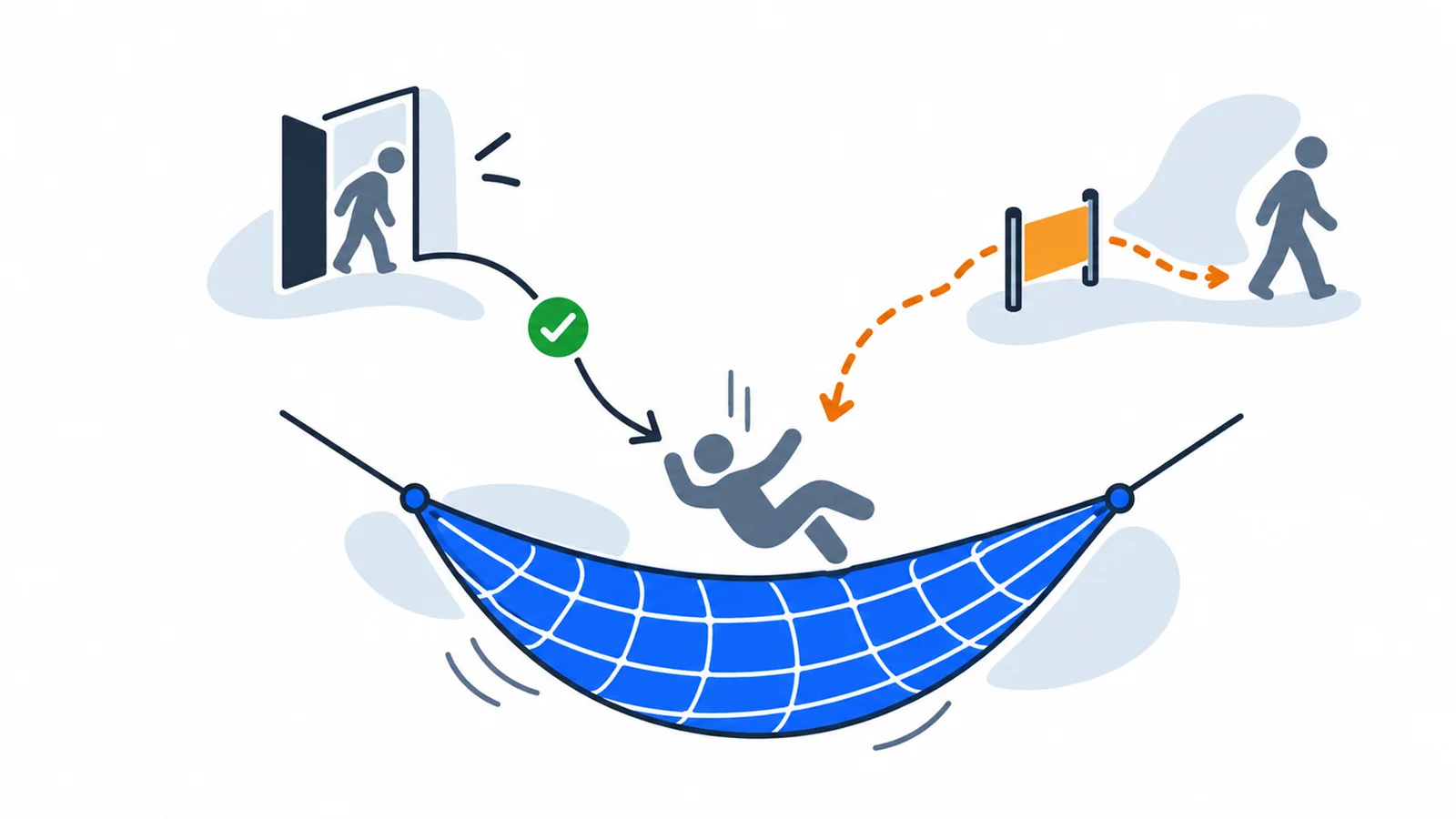
You can receive unemployment benefits after resignation, but resigning without reasonable grounds typically results in 18 weeks without payment. See requirements, rates, and application steps.