
Debt collection (inkasso) in Norway follows a fixed sequence: a reminder, a collection notice (inkassovarsel), collection, a payment default mark (betalingsanmerkning) and finally the bailiff (namsmannen). You always have the right to propose a payment plan, and you can get free help from NAV. Nothing happens overnight, and you have several rights along the way.
Getting a collection letter in the mail is frightening. Many people feel their heart sink and put the letter away. That is the worst thing you can do. The single most important advice is simple: do not ignore the claim, get in touch. The sooner you act, the cheaper and easier it gets. This guide calmly explains what happens at each step, what rights you have, and where you can get help completely free of charge.
How does debt collection work in Norway? The steps explained
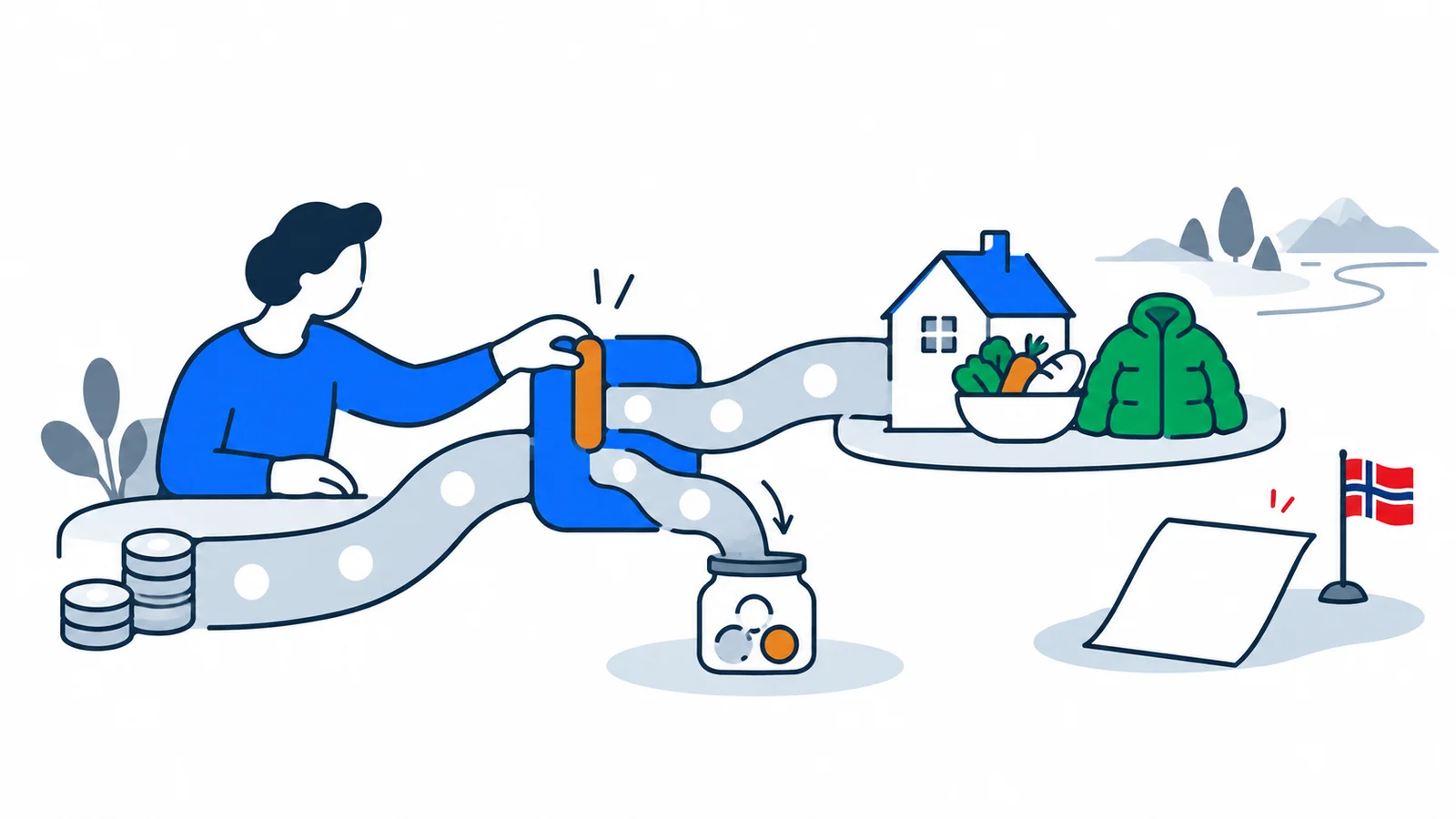
An unpaid claim goes through several steps before it becomes serious. Each step gives you a new deadline and a new chance to sort things out. Here is the ladder, step by step:
- Reminder (betalingspåminnelse). A friendly reminder that you forgot to pay. It can be sent at the earliest 14 days after the original due date.
- Collection notice (inkassovarsel). A formal warning that the claim will go to collection if you do not pay. The notice must give you at least 14 days to pay.
- Collection (betalingsoppfordring). The case is now with a debt-collection agency. You get a payment demand with at least a 14-day deadline, and a collection fee (inkassosalær) is added. If you pay here, it stops.
- Payment default mark (betalingsanmerkning). A mark in a public register showing that you have not paid. This comes only later in the process, not right away.
- The bailiff (namsmannen). The creditor can ask the namsmannen for enforced collection, for example a deduction from your wages (lønnstrekk).
The key thing to remember: you can stop the ladder at any step by paying or agreeing on instalments. Forbrukertilsynet (the Norwegian Consumer Authority) and Finanstilsynet (the Financial Supervisory Authority of Norway) supervise the collection industry, and the agencies must follow strict rules.
What does debt collection cost, and what is late interest?
The fees for a reminder, a collection notice and collection are set by regulation and adjusted every year. As of January 2026, the fee for a reminder or a collection notice is 38 kroner, and the "collection rate" (inkassosats) that the collection fee is based on is 750 kroner. How large the fee becomes depends on how big the claim is and how far the case has gone, the further it goes, the more it can cost. Always check the current rate at Finanstilsynet, since the figures change.
In addition, late-payment interest (forsinkelsesrente) runs from the due date. It is a statutory interest on the money you owe. The point is simple: the costs grow the longer you wait, so it pays to act early. A common cause of debt collection is an unpaid electricity bill, so understanding how the electricity bill and the electricity subsidy in Norway work helps you avoid surprises.
Your right to a payment plan
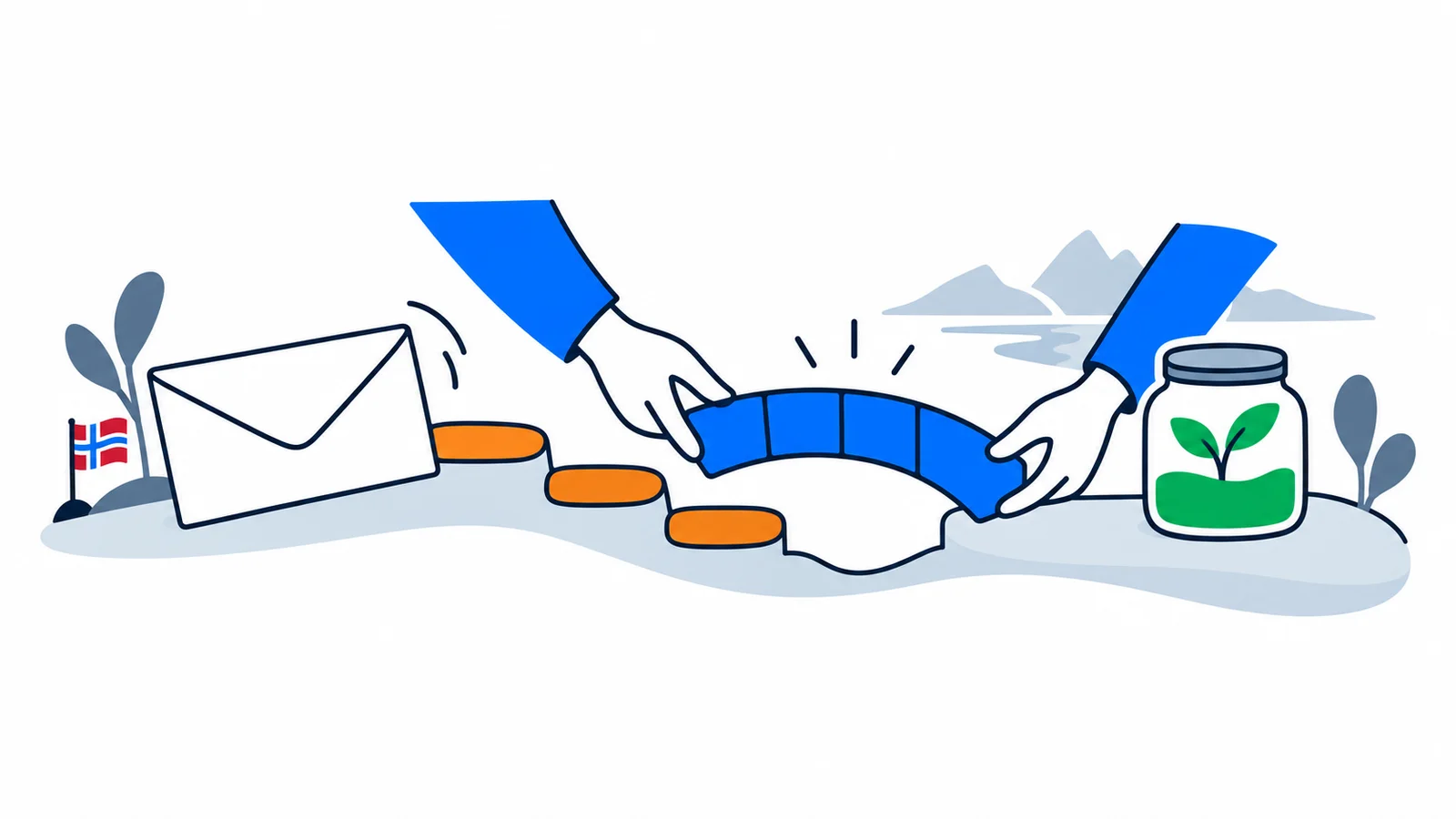
This is perhaps the most important thing to know: you can ask for a payment plan (a repayment agreement) if you cannot pay everything at once. You do not have an unconditional right to exactly the agreement you want, but the collection agency must treat you fairly, and an agreement is often in both parties' interest.
Here is how to go about it:
- Contact the collection agency as soon as you get the letter. Do not wait.
- Be honest about your finances and propose an amount you can actually manage each month.
- Get the agreement in writing, so both sides know what applies.
If you believe the claim is wrong, you must say so immediately. If you complain, and the complaint is not obviously groundless, the claim is treated as disputed (omtvistet), and then the agency cannot continue ordinary collection but must take the case to court if needed. If you need more control over your finances in general, it is smart to learn how Norwegians save money in everyday life.
Payment default mark: what it is and when it is deleted
A payment default mark (betalingsanmerkning) is a mark in a credit register telling banks and others that you have not settled a claim. It does not come with the first collection letter, it is registered only after a proper process, usually once the case has been with the bailiff or the conciliation board (forliksrådet). You must always be told before a mark is registered.
A mark is serious because it makes you less creditworthy. With an active payment default mark you may find that you cannot get:
- a loan or a credit card (a mortgage, a car loan, a consumer loan)
- a tenancy agreement, because many landlords check your credit
- a mobile subscription, an electricity deal or insurance on ordinary terms
The good news: a payment default mark is not forever. Under the rules Datatilsynet (the Norwegian Data Protection Authority) enforces, it is deleted immediately once you have paid the whole claim, and at the latest four years after it was registered, even if you have not paid. Once it is gone, you become creditworthy again. So sorting things out pays off twice.
What does the bailiff do?
If the claim is still not paid, the creditor can ask the namsmannen for help with enforced collection. The namsmannen is a public authority, not a private agency. The most common measure is a deduction order (utleggstrekk / lønnstrekk): a fixed amount is taken from your wages, benefits or pension every month until the debt is paid.
There are important rights here that protect you:
- You must always get a notice before the namsmannen acts.
- The namsmannen cannot deduct below a reasonable living allowance, you and your family must have enough left for food, housing and necessary expenses.
- A wage deduction lasts until the debt is paid, but normally no more than two years at a time.
In other words: even at the last step, you are protected by law from being left with no money at all.
Free help exists, you are not alone
The most important thing of all: you do not have to face this alone, and the help is free. Everyone living in Norway has a statutory right to free economic and debt counselling, and this service is provided by NAV.
Here is how to get help:
- Call the debt helpline 800GJELD (800 45 353). It is a low-threshold service, you do not have to say who you are, and it is free from a landline. If you call from a mobile, NAV can call you back.
- Contact your NAV office to arrange a meeting with an economic and debt advisor.
- An advisor can help you make a budget, contact your creditors and find a solution you can manage.
If the debt has grown too big for an ordinary payment plan, there are also other solutions through the namsmannen and the municipality. And to avoid new problems later, it is worth understanding fraud and fake payment demands, read how to protect yourself from BankID fraud and fake contact attempts.
In short
- Do not ignore the collection letter. Get in touch right away, the sooner, the cheaper.
- Ask for a payment plan if you cannot pay everything at once.
- Call 800GJELD (800 45 353) for free help from NAV.
Debt collection feels heavy, but it is a process with clear rules and several exits. You have a right to an agreement, you are protected from losing your livelihood, and a payment default mark disappears once the claim is settled. Take one step at a time, and ask for help.