
Your first winter in Norway might seem long and dark. With warm layered clothes, a little planning and good habits, it will go fine – and many will appreciate the snow and the clear winter air.
Dress in layers: wool, not cotton
Winters in Norway can range from a few degrees below freezing to well below zero, depending on where in the country you live. The key to staying warm is to dress in several layers instead of one thick jacket. At the base, you should wear a thin layer of wool or synthetic fabric that keeps sweat away from your skin. Cotton is not a good choice as an inner layer during winter, because the fabric becomes wet and cold when you sweat or it rains. Over the thin layer you can wear a warm sweater or fleece jacket. On the outside you need a windproof and waterproof jacket. A hat, scarf and gloves are also important, since a lot of heat escapes through the head and hands. Good winter shoes with a solid sole and warm lining are an investment that pays off throughout the season. Wool socks and long wool underwear make a big difference on cold days, both outdoors and on the way to and from work or school. In your first years, it may be wise to look for winter clothes at secondhand shops, flea markets or websites for used goods while you figure out what works best for you and your family. Norwegian winters can also bring both dry cold and wet slush, so it is worth having clothes that withstand both.
Clothes for children in kindergarten and school
Children in kindergarten and school are often outside for large parts of the day, regardless of weather. Therefore, it is important that the child has warm, waterproof clothes, good winter shoes or boots, a hat and gloves. Many parents also pack an extra set of clothes in the bag, in case the child gets wet or dirty. Most kindergartens have their own guidelines for what children need in winter, and the staff are happy to give specific advice if you are unsure what is appropriate. It can be worthwhile to label the clothes with the child's name, since gloves, hats and jackets can easily get lost or mixed up in the shared wardrobe. Wearing warm overalls or winter pants over regular clothes means children can play in the snow without getting wet and cold, and good indoor shoes for use indoors are also often part of everyday life in kindergarten.
The dark winter months: vitamin D and mental health
From around October to March, the days are short, and in many parts of the country you see little of the sun. This period is often called the dark winter months. Lack of daylight can affect your mood, and some experience more fatigue or low spirits in winter than at other times of the year. The sun is also too weak for the body to produce enough vitamin D in winter in Norway. Both Folkehelseinstituttet and Helsenorge therefore recommend vitamin D supplements in the winter months, especially for children and for adults with darker skin, since this is considered a risk group for vitamin D deficiency. Getting out in daylight, even on a short walk in the middle of the day, can also make a difference to your mood. If you feel persistently low or tired, it is wise to contact your doctor. Read more about the Norwegian health system and how to get help when you need it.
Stay warm at home without using too much electricity
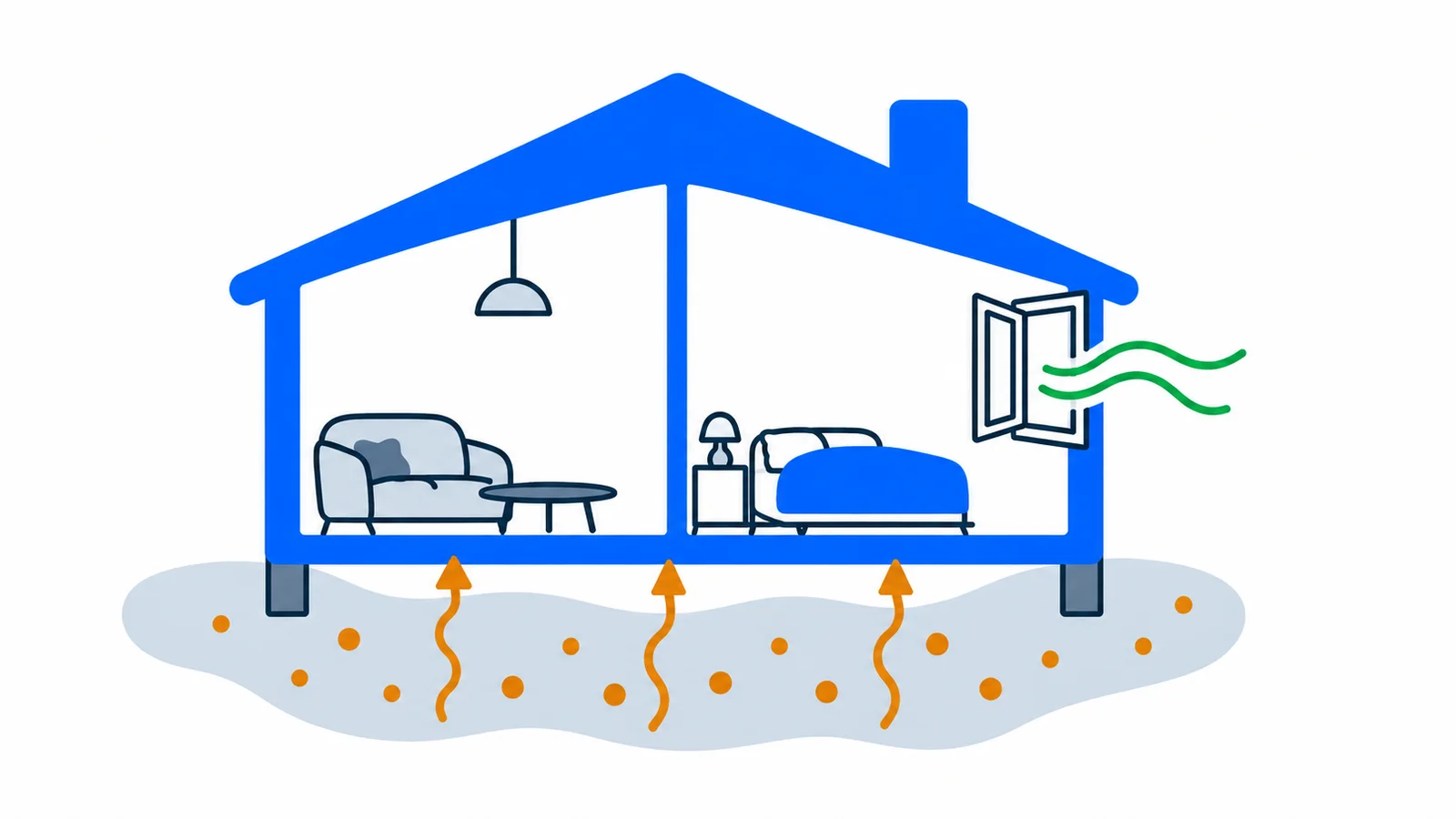
Electricity prices in Norway can vary greatly throughout the winter, and heating often accounts for a large part of a household's electricity bill. However, some simple measures can help: lower the temperature a bit at night or when no one is home, air out briefly and efficiently instead of having windows open for a long time, and seal drafts around windows and doors. A heat pump can be a good investment if you own your own home, since it often uses less electricity than panel heaters for the same amount of heat. Many electricity providers also offer fixed-price contracts, and the state has schemes that provide electricity support when prices are high. If money is tight, there are also support schemes such as housing support for low-income households. It can be useful to read up on personal finance in Norway and housing support before winter really sets in.
Winter tires for the car: here's what the rules say
If you drive a car, the vehicle must have tires suited to the road conditions. The main rule in Norway is that studded tires can be used from 1 November through the first Sunday after Easter. In Nordland, Troms and Finnmark, a longer period applies, from 16 October to 30 April, because of tougher winter conditions in the north. Studdless winter tires, on the other hand, can be used year-round, regardless of where in the country you live. The tread depth on winter tires should be at least 3 millimetres. As a driver, you are yourself responsible for ensuring that your car has tires suited to the conditions, even outside these dates if weather and roads require it. Switch to winter tires in good time before the first snow comes – don't wait until winter driving conditions are already a reality.
Walk safely on ice and use winter actively
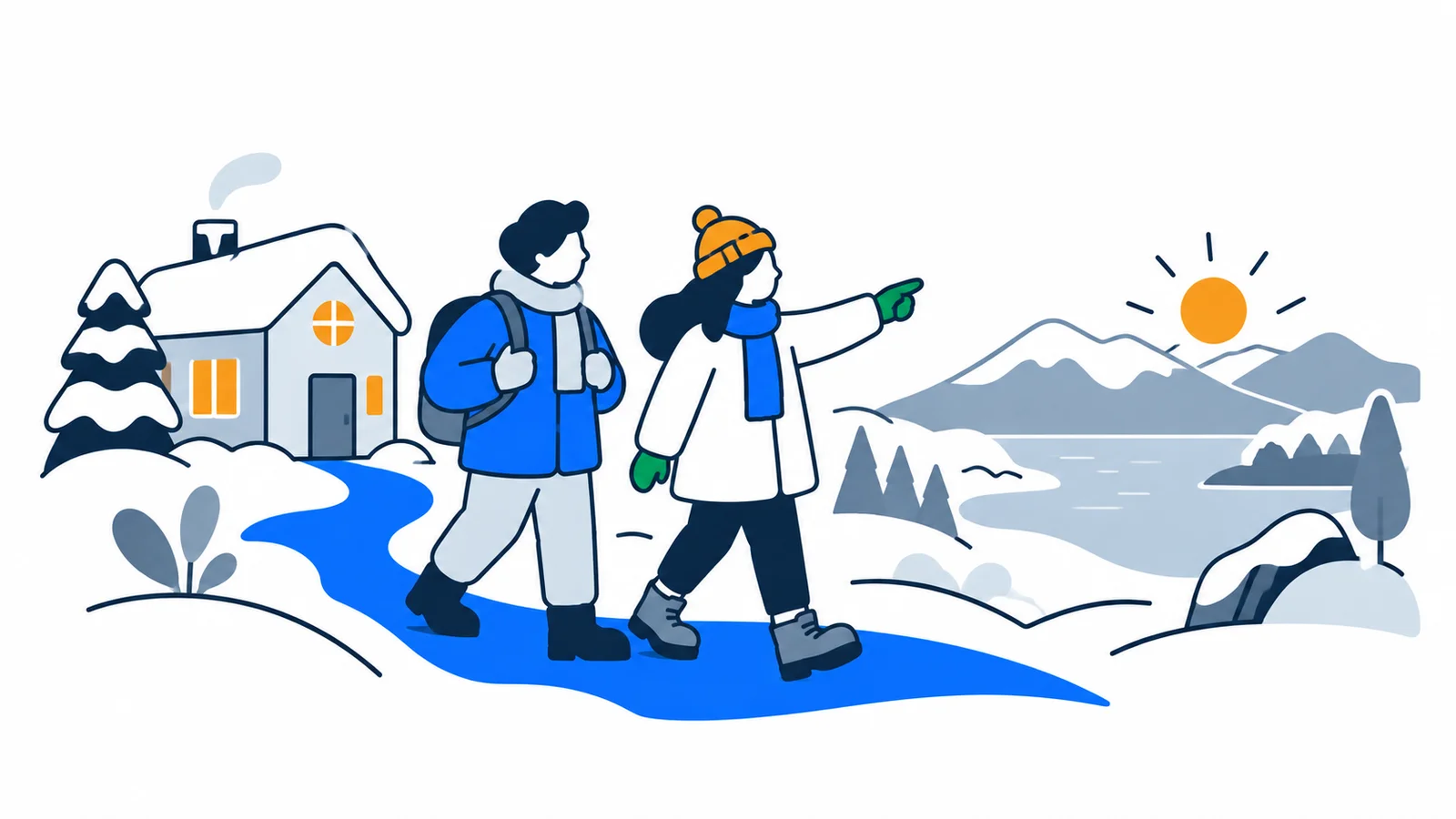
Snow and ice make sidewalks and streets slippery, and falls are a common cause of injury in winter. Use shoes with good grip patterns on the sole, and consider ice grips that attach under your shoes for extra grip when it is icy. Walk slowly with short steps, and keep your hands free so you can catch yourself if you slip. Keep an eye on weather warnings from Meteorologisk institutt before you go out in bad weather. At the same time, winter is part of Norwegian life that many greatly appreciate. A well-known Norwegian saying says there is no bad weather, only bad clothing. Take a walk in the snow, try ice skating, or test out skiing on an illuminated ski trail nearby. Winter outdoor activities are a fine way to get to know nature and the local community, and it is good for both body and mood. In many places you can rent skis, ice skates or sledges cheaply, and both children and adults are often welcome on organized trips run by sports clubs or volunteer organisations.
Do you want to learn more about the society you are now part of while you wait for spring? Register for free on samfunnprep.no and practice for Samfunnskunnskapsprøven at your own pace.