
If you rent out a room in the home you live in, the rental income is usually tax-free – as long as you use at least half of the home yourself, measured by rental value. If you rent out an entire separate home, or short-term for less than 30 days, you must pay tax.
Renting out rooms and tax in Norway: the basic rule
Many people who want to rent out a room worry about taxes. Most of the time, you do not need to. The basic rule is simple: if you rent out part of the home you live in, the rental income is tax-free. You do not need to report it as income.
The rules are in the Tax Act § 7-2, and the Tax Authority explains them on skatteetaten.no. When you rent out a room, these Norwegian tax rules determine how much you keep. Three things decide the answer: how much you rent out, how long, and whether you live in the home.
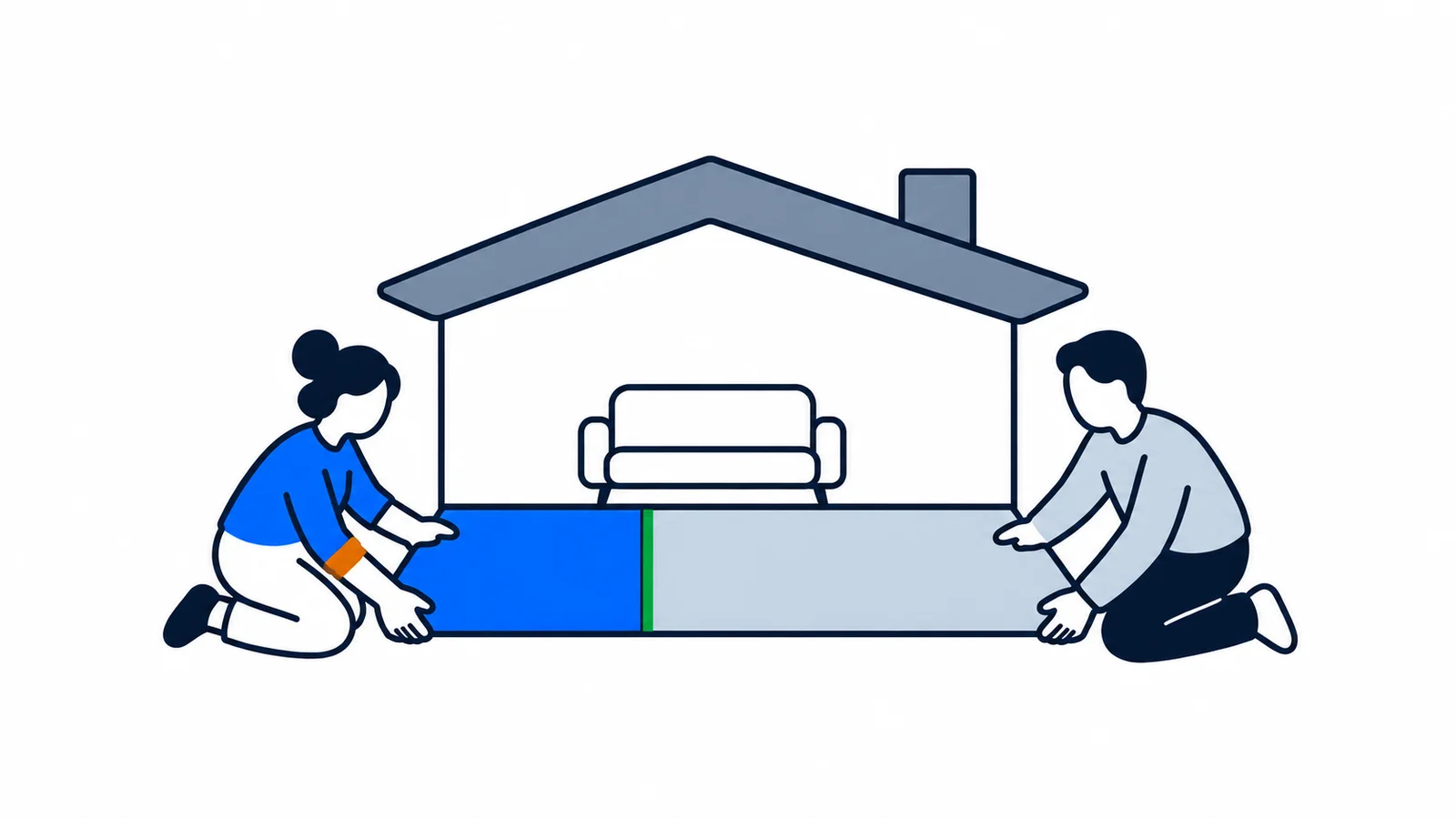
An important term is rental value. It means how much rent each part of the home can earn – not the number of square metres. A small basement flat may have lower rental value than your living room and bedrooms, even if the area is the same.
When is rental income tax-free?
Rental income from your own home is tax-free when both of these are true:
- You live in the home yourself.
- You rent out less than half of the home, measured by rental value.
Then it does not matter how much you earn. If you rent out one room or a bedsit in your own home and use the rest yourself, the rent is tax-free. A bedsit is a small rental room, often with its own entrance and bathroom.
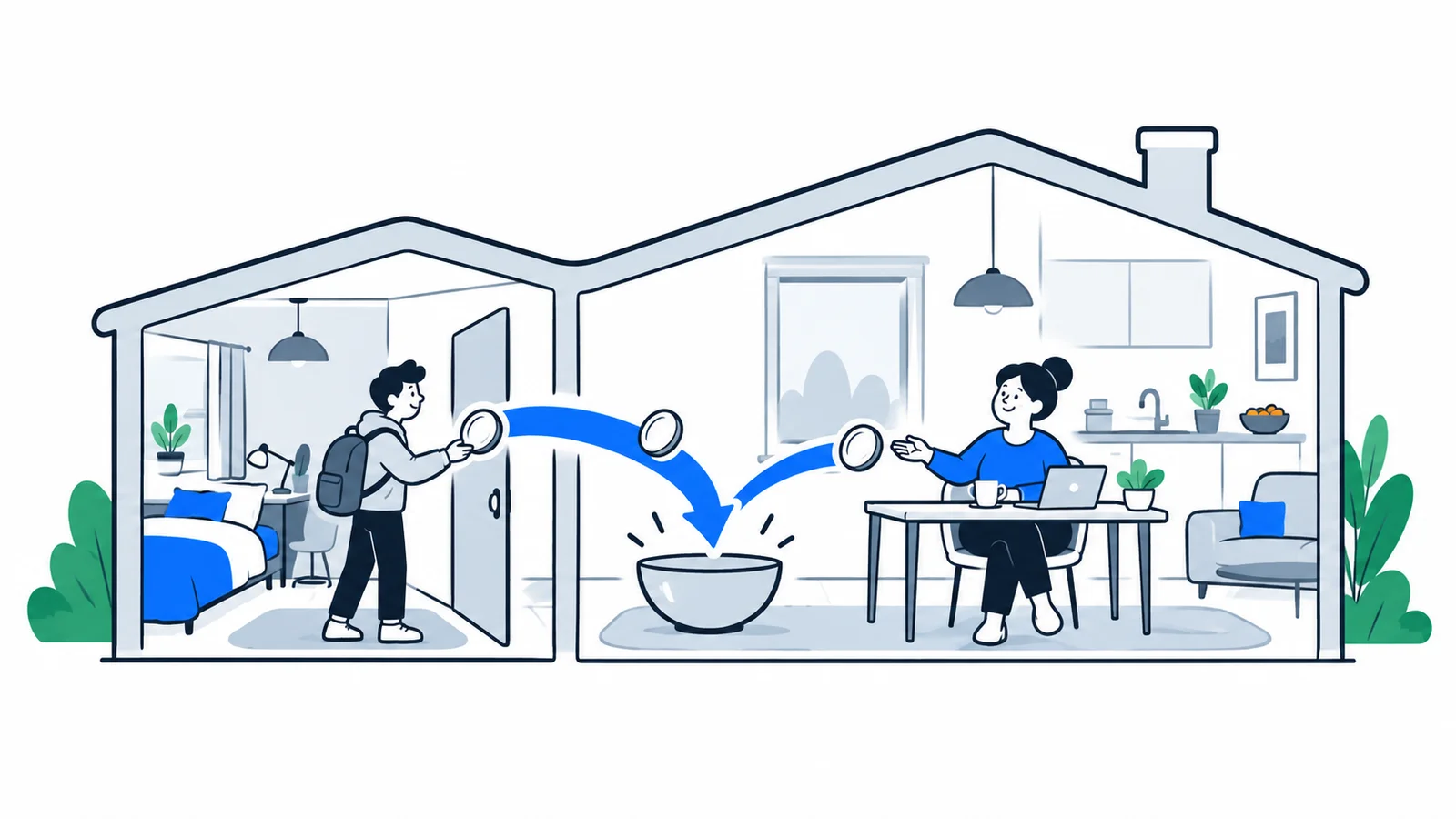
Example: You live in a flat and rent out one bedroom to a student. You use the living room, kitchen and the rest yourself. The rent is tax-free – whether it is 4,000 or 8,000 kroner per month. You can read more on skatteetaten.no and in Store norske leksikon (snl.no).
What about a bedsit with its own entrance?
Many people think that a bedsit with its own entrance always means tax. That is not true. A bedsit is a small rental room, often with its own bathroom and its own door. What matters is not whether there is a separate entrance, but whether you use at least half of the home yourself, measured by rental value. If you live on the main floor and rent out a bedsit in the basement, the rent is usually tax-free.
If the bedsit is counted as a completely separate home – for example a rental unit you never use yourself – other rules apply. Then you must pay tax from the first krone, but you can deduct costs. If you are unsure how to rent out a room or bedsit, ask the Tax Authority or read the Tax Act § 7-1 and § 7-2.
When must you pay tax on rental income?
You must pay tax in these cases:
- You rent out more than half of the home you live in, measured by rental value, over a longer time. Then the rent is tax-free only up to 20,000 kroner per year. If you earn more, the entire income is taxable.
- You rent out a separate, distinct home that you do not live in yourself – for example a rental flat or secondary home (your second home). Then you pay tax from the first krone.
- You do short-term rental – rental for less than 30 days at a time, typically through Airbnb. Then special rules apply (see below).
Tax on rental income is capital income. It is income from assets, not from wages. The rate is 22 per cent in 2026. If the rental income is taxable, you can on the other hand deduct costs, for example maintenance.
Short-term rental: the 15,000-krone rule
If you rent out your home in short periods – less than 30 days at a time – a special rule applies for short-term rental.
The first 15,000 kroner per year are tax-free. Of what you earn over 15,000 kroner, 85 per cent counts as taxable income. It is taxed at 22 per cent.
This limit was raised from 10,000 to 15,000 kroner from 1 January 2025, and applies in 2026 as well. This is how tax works when you rent out a room in Norway for a short time.
Example: You rent out the flat for a short time while you are away and earn 25,000 kroner. The first 15,000 are tax-free. Of the last 10,000, 85 per cent – that is 8,500 kroner – is taxable. The tax becomes 22 per cent of 8,500 kroner = 1,870 kroner.
Remember that rental platforms like Airbnb report your income to the Tax Authority. The amount may therefore be filled in on your tax return in advance, but you are responsible for making sure the figures are correct.
Tax-free or taxable? Quick overview
| Situation | Tax? |
|---|---|
| Room in own home, you use more than half | Tax-free |
| More than half of own home, over 20,000 kr/year | Taxable (entire amount) |
| Separate/distinct home you do not live in | Taxable from krone one |
| Short-term rental less than 30 days | Tax-free up to 15,000 kr, then 85 % |
What must you remember anyway?
Even if the rent is tax-free, the normal rules for rental apply. You should always:
- Write a rental contract. It protects both you and the tenant, and shows what you have agreed.
- Set up a deposit account at the bank. A deposit is money the tenant puts down as security. It must be held in a separate account in the tenant's name, not on your ordinary account.
- Check your tax return in the year after. If the rent is taxable, you report it. If it is tax-free, you do not need to report it – but keep the papers for at least five years.
Want to read more? See tax simply explained, how you write a rental contract, and the rules for deposits. This is also how you fill out the tax return correctly.
Economics is part of society
Tax, housing and economics are a large part of Norwegian society – and topics you meet in the citizenship test. At SamfunnPrep you practise precisely these topics in simple language, with short explanations and examples.
Do you want to understand economics, tax and your rights better? Try SamfunnPrep free and practise at your own pace.