
Loneliness in Norway affects many immigrants, more often than the rest of the population. But you can do something about it. This guide provides concrete steps to build a network – not just the advice to "make Norwegian friends."
You Are Not Alone in Feeling Lonely
Feeling lonely as someone new in Norway is common, and it's not your fault. Data from Statistics Norway (SSB) shows that more immigrants than others struggle with loneliness: about 19 percent of immigrants say they are somewhat or very troubled by loneliness, compared to 12 percent in the rest of the population. A survey from the Norwegian Institute of Public Health (FHI) shows the same: 18 percent of immigrants versus 13 percent of those born in Norway.
Loneliness is not about something being wrong with you. Often it's because you're new, your Norwegian isn't yet fluent, your family lives far away, or you've experienced discrimination. The good news is: a network can be built, step by step.
Start with Language and Daily Life
Learning Norwegian is the most important key to a network. When you understand and speak more, it becomes easier to get to know people. Enroll in a free Norwegian course, and use everyday situations to practice: say hello to your neighbor, chat with parents at daycare, speak up at work.
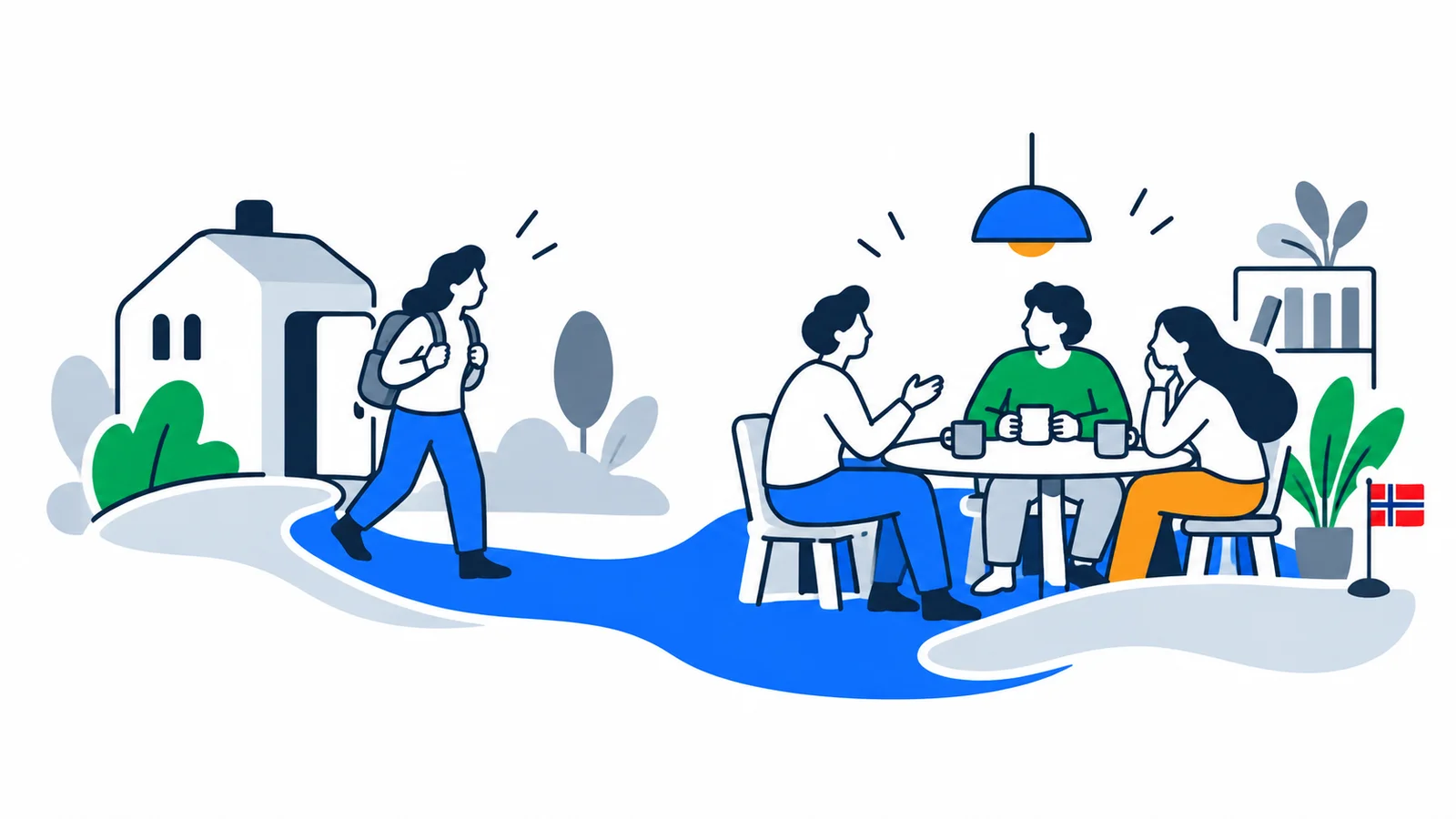
Libraries are a good place to start. They're free, open to everyone, and many libraries have a language cafe where you can practice Norwegian with others. There you'll meet both Norwegians and others who are new.
Join a Regular Activity
The surest path to making new people is to join a regular activity. That way you meet the same people every week, and friendships have time to grow. Concrete options:
- Volunteer work: On frivillig.no you can find tasks near you. Volunteering and community service is a typical Norwegian way to become part of the local community.
- Sports and hiking groups: Join a sports club, hiking group, or fitness program in your neighborhood.
- Refugee guide: The Red Cross has a program where you get a regular Norwegian contact person who meets with you regularly for about a year. Contact the Red Cross in your area.
- Parent networks: If you have children, you'll get to know other parents through school, daycare, and your children's activities.
For Those at Home with Children
If you're at home with young children and have little contact outside the family, there are ways out. Open preschool is a free meeting place where you can come with your child without applying, meet other parents, and practice Norwegian. Health clinics often have groups for new parents. Many places also have women's groups where women meet to speak Norwegian and share experiences.
If you want to get into work or education, there is the Jobbsjansen program, which especially helps homebound immigrant women move forward. Ask at the library, health clinic, or at your municipality about what's available in your area.
When Loneliness Weighs Heavy
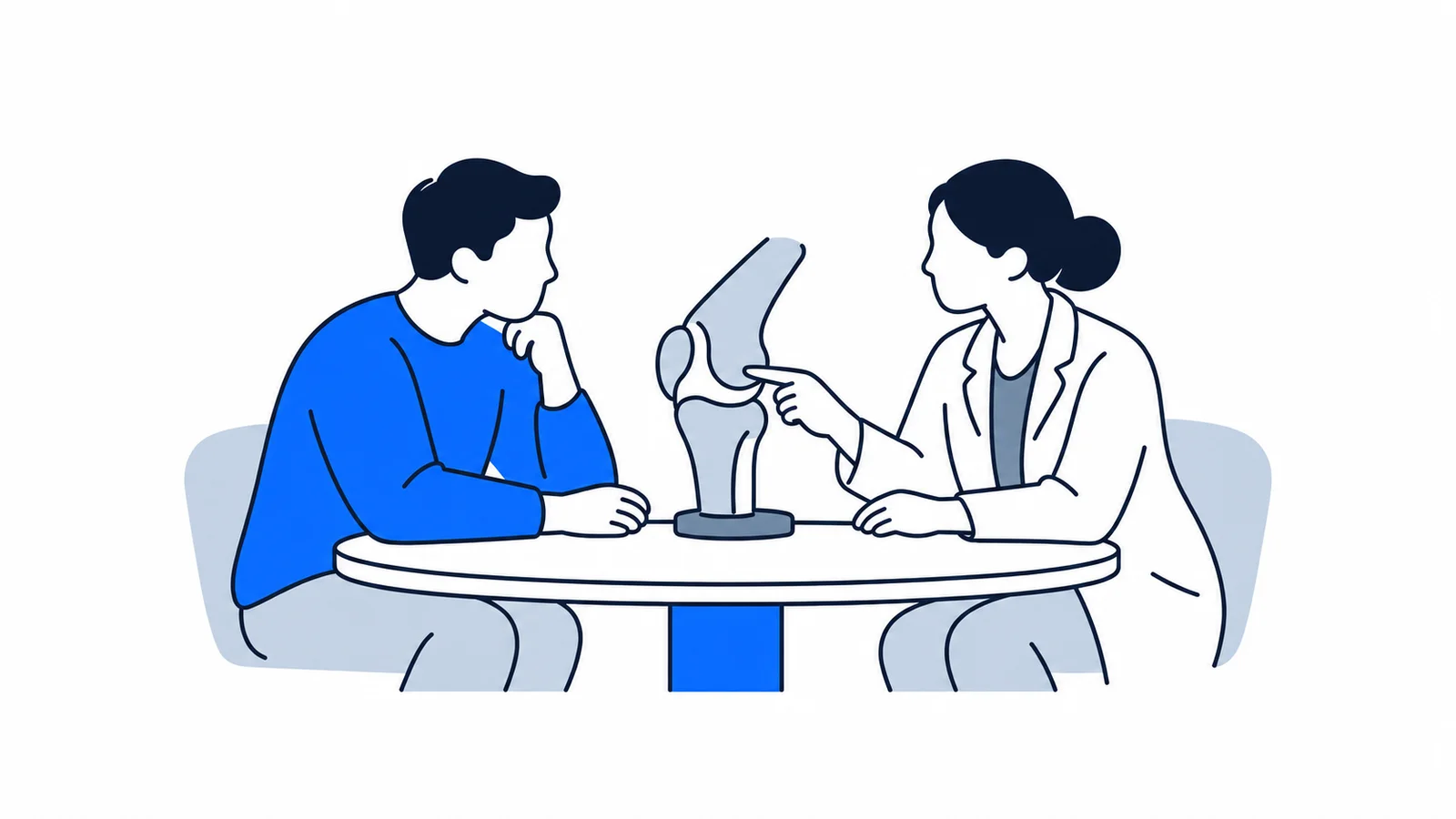
Sometimes loneliness becomes heavy and affects your sleep, mood, or health. Then you should seek help – there's nothing to be ashamed of. Talk to your doctor. You can also call Mental Health Norway's helpline at 116 123, which is free and open 24 hours. You can be anonymous.
Building friendships takes time, even for Norwegians. Be patient with yourself. Read more tips about making Norwegian friends.
One Step at a Time
You don't have to do everything at once. Choose one thing this week: go to a language cafe, sign up as a volunteer, or say yes to an invitation. Small steps build, over time, a network and a sense of belonging.
Understanding Norwegian society also makes it easier to participate. On SamfunnPrep you can learn how Norway works, a topic you also encounter on the society knowledge test. Ready to practice? Try SamfunnPrep free.