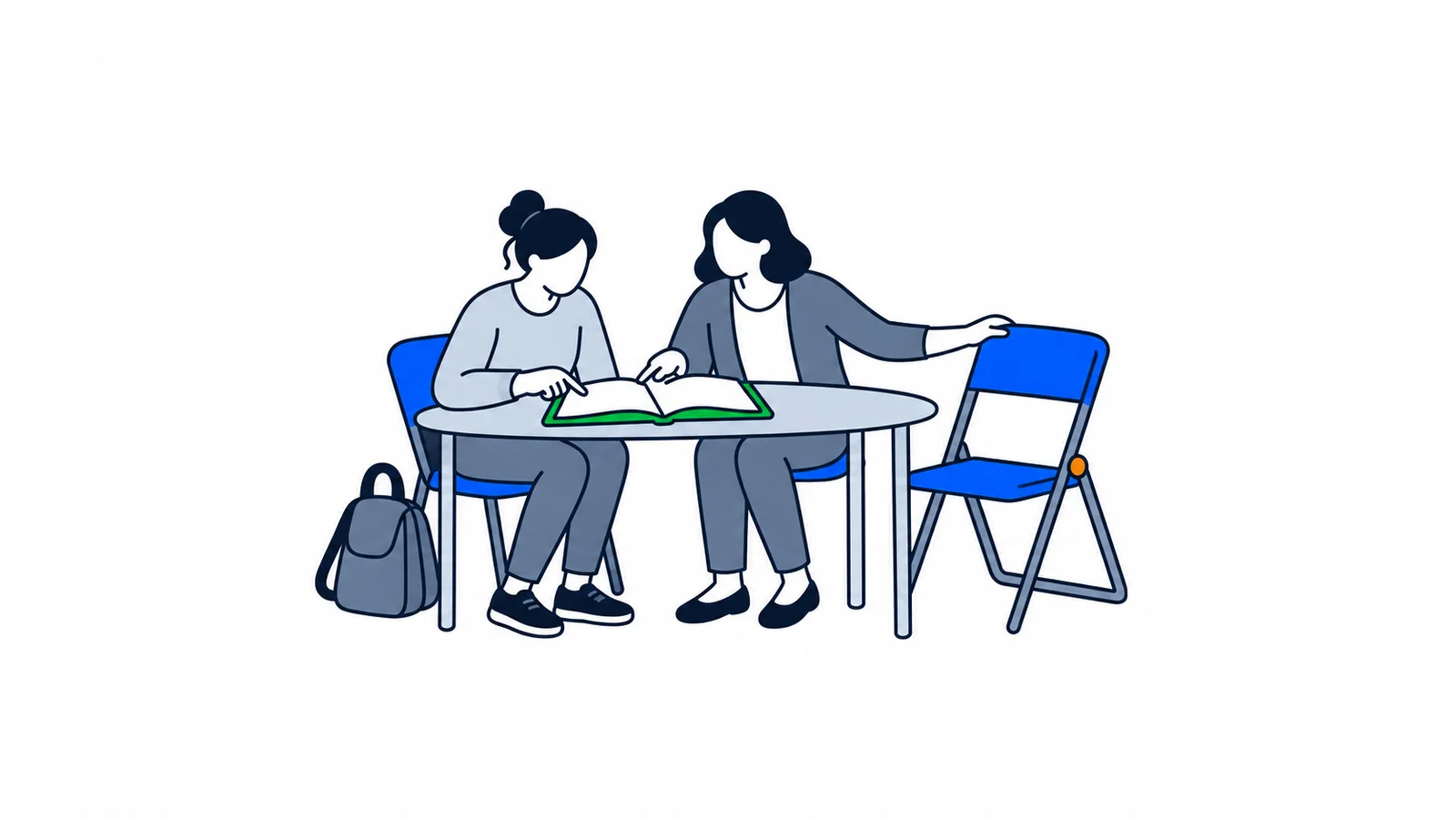
Open kindergarten: free meeting place for you and your child
Open kindergarten is a meeting place that is often free, where you come with your child without applying for a place. Here's how it works, what it costs, and how to find one near you.

Topics: 42

Open kindergarten is a meeting place that is often free, where you come with your child without applying for a place. Here's how it works, what it costs, and how to find one near you.

Around 800,000 Norwegians emigrated to America. Here are the numbers, reasons, the language bans they faced—and the year Norway itself became an immigration country.

Secondary school for adults is now called preparatory education for adults (FOV). It is free, the municipality is responsible, and the certificate opens the door to upper secondary education.
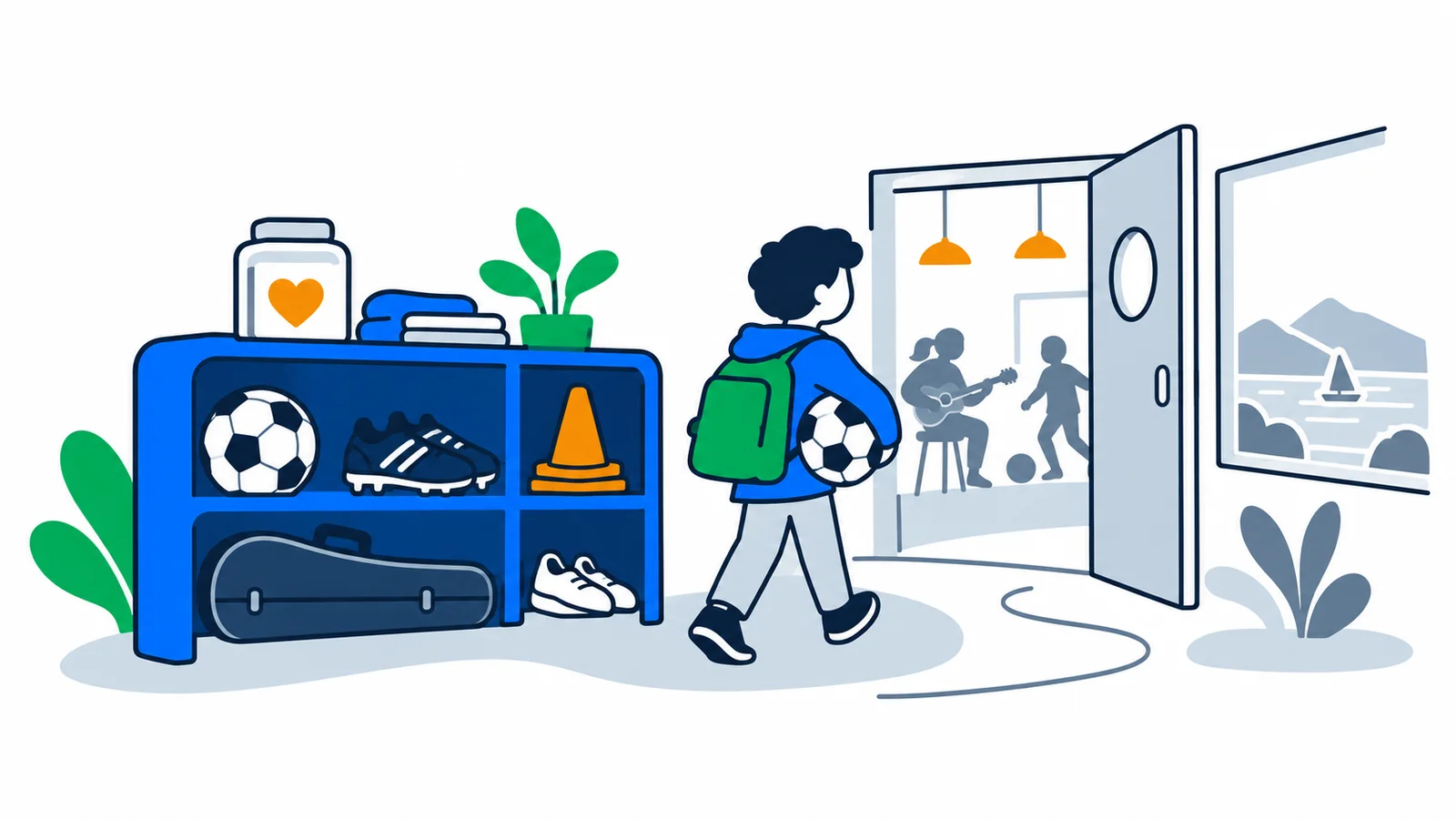
Can't afford football, brass band or swimming for your child? Here's how low-income families can get financial help with leisure activities in Norway in 2026.
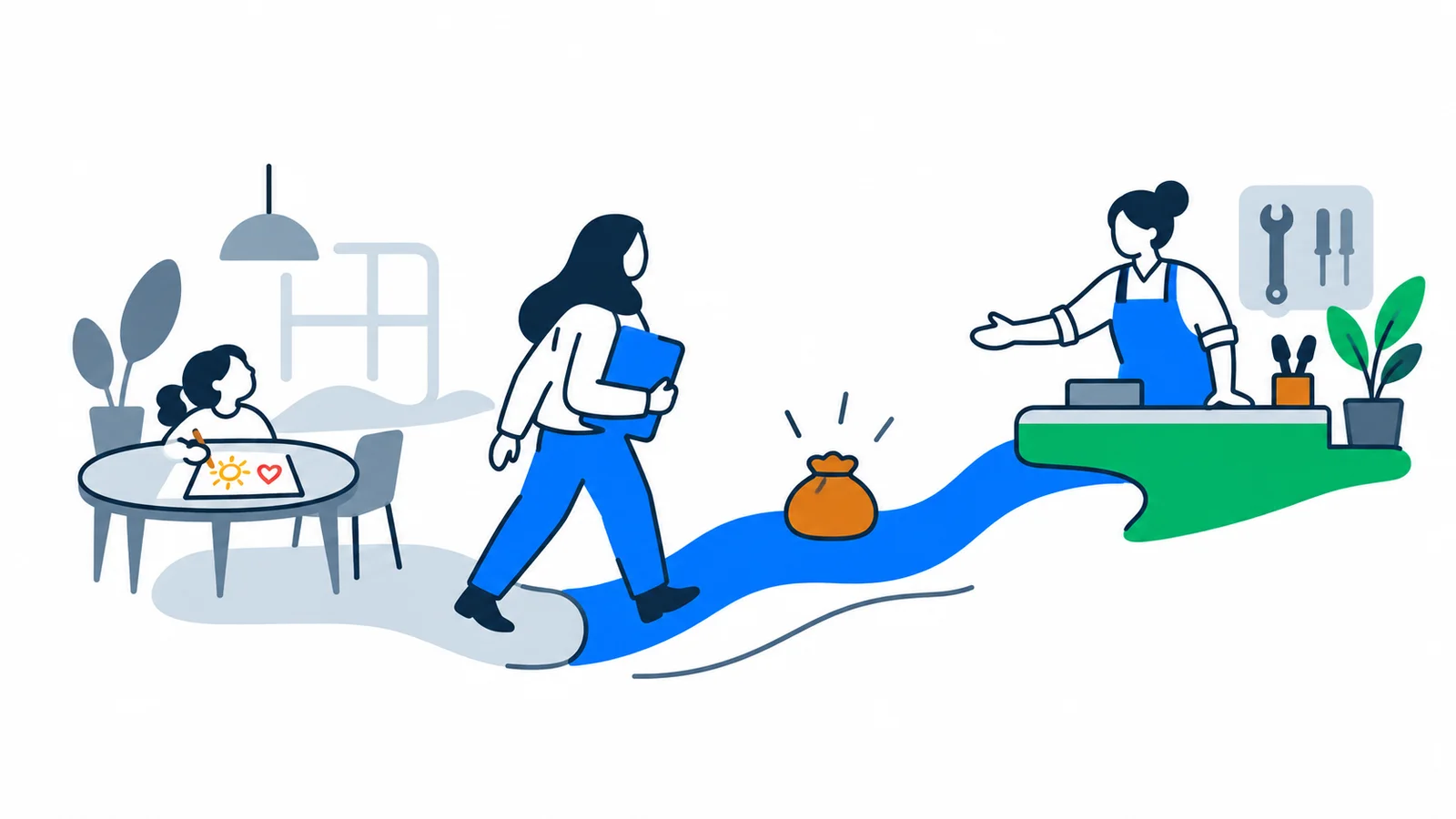
Are you staying at home and want to work? Jobbsjansen is a free qualification programme that helps immigrant women into employment—with a stipend while you participate.
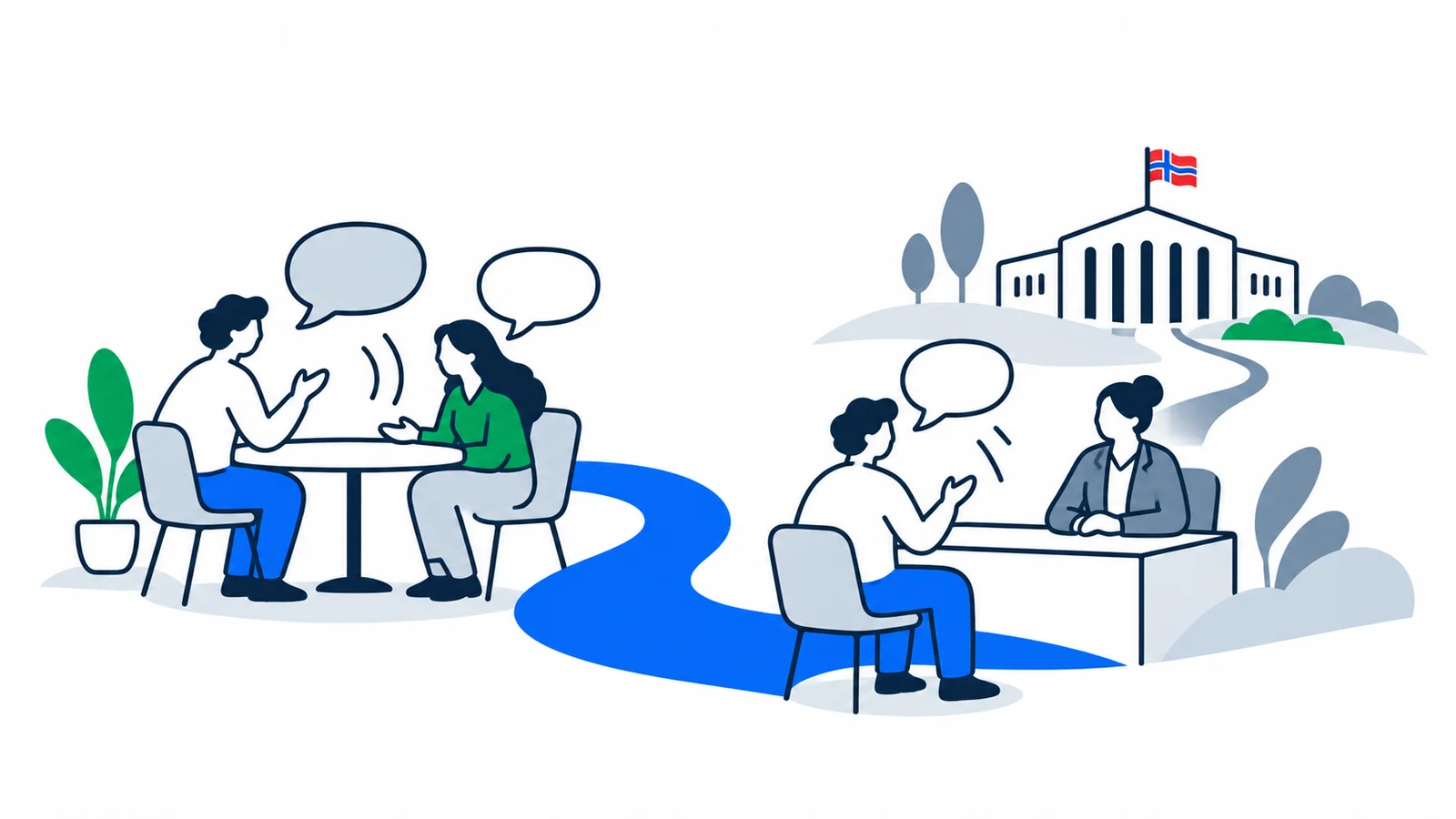
Norwegian Test Autumn 2026: registration 17–21 August, exam 21–25 September. See the dates, four sub-tests and what level you need for residence.

Have you lost your diplomas? Here's how refugees can have foreign education assessed in Norway without complete documents – free at HK-dir.

Struggling to find a job? NAV offers schemes such as wage subsidies, work training, and courses to help you enter the workforce. Here's how to access them.

Unsure about the path to a job or education? You can get free career guidance online and at the career centre in your county.

Libraries are free for everyone living in Norway. Here's how to get a library card, books in your own language, language cafes, e-books and a meeting place in your municipality.

Overview of the largest immigrant groups in Norway in 2026: their size, when they arrived, and why they chose Norway – with fresh data from Statistics Norway.

From John Carew in 1998 to Antonio Nusa in the 2026 World Cup: the story of players with immigrant backgrounds on the Norwegian men's national football team.

Football brings together children from around the world in Norwegian sports clubs. See what the NFF does for inclusion, what football costs – and how your family can get started.

Borrow skis, ice skates, tents and rain gear for free through BUA. Here's how to find an equipment center, what you can borrow by season, and how to dress your children for the cold.

Municipalities are to resettle 13,000 refugees in 2026, and as of 8 July, 5,407 were resettled. Here's how municipality allocation, waiting times, rights and self-settlement work.

How to register your child for football or other sports in Norway: sports clubs, membership fees and training fees, volunteering – and help if money is tight.

Swimming in Norway: school swimming proficiency test for children, drowning risk, free swimming lessons for newcomers and swimming courses for adults – also women-only.

Loneliness affects many immigrants in Norway. Here's how to build a network step by step: language cafes, volunteer work, refugee guides, and help when needed.

Everyday racism in Norway: what it is, that discrimination is forbidden, and what you can do – LDO, Discrimination Board and reporting hate crimes.

An overview of who has the right to free Norwegian lessons in Norway, and which free or affordable options exist if you have to pay yourself.

Immigration to Norway has a short history. From emigration to America, through labour immigration and the immigration stop in 1975, to today's multicultural society.

Multicultural Norway explained simply: why Norway became diverse, how many immigrants live here, and what integration means for you.

Learn about Norwegian food and food traditions: the daily packed lunch, early dinner, brown cheese and festive food like fårikål, ribbe and pinnekjøtt. Simply explained.

Friluftsliv in Norway means hiking, swimming, camping and berry picking. Learn the rules of allemannsretten (the right to roam) and how nature is an easy way into community.

You have the right to an interpreter in Norway when language is a barrier. Learn who pays, what the Interpreter Act requires, and why you should never use children as interpreters.

How to create a food budget and save money on food in Norway: discount chains, store brands (EMV), Too Good To Go, seasonal produce, and practical shopping tips – with data from SIFO and SSB.

Family forms in Norway: cohabiting couples, single parents, blended families and same-sex couples. Learn how common they are and why the law treats them equally.

Making Norwegian friends takes time, but it is fully possible. Here are the arenas that work, free places to start, and simple steps to build a network in Norway.

How the Norwegian workplace works: flat structure, trust, punctuality and free time. Learn the unwritten rules many immigrants get wrong.

Negative social control limits freedom, safety and self-determination. In Norway you can get help with pressure, coercion, threats or honour-related violence.

A warm, practical introduction to Norwegian values and unwritten social rules — the high-trust society, dugnad, the Jante Law, punctuality and friluftsliv — for newcomers to Norway.

What volunteering and dugnad mean in Norway: how you get involved, what rules apply to wages, tax and criminal records check, and why it gives you networks and language training.

Which Norwegian level do you need? A permanent residence permit requires oral A2, citizenship requires B1. Here is how the level rules fit together in 2026.

Norskprøven measures your Norwegian at levels A1–B2 through four parts. Here are the levels, how to register via HK-dir, and the cost for privatister.

A practical guide to how you practise for the four parts of Norskprøven – reading, listening, written work and spoken communication.

Statistics Norway's annual 2026 survey shows attitudes towards immigrants became somewhat less positive for a third year in a row, but most Norwegians remain positive.

New NIBR research: only 9% of Ukrainian refugees in the Nordics want to go home as soon as the war ends. Trust in the authorities and the children's future decide it.

Do you have a right to free Norwegian courses in Norway? How right and duty work under the Integration Act, the deadline, signup via the kommune and help.

In 2025, four in ten refugees went straight into work after the introduction programme. We compare with earlier years and explain what lies behind the rise.

A network of 42 municipalities gave refugees a 3 – and up to 6 – percentage point higher chance of work, a NIBR evaluation commissioned by KS shows.

Wrestler Grace Bullen was met with racist comments after a 17 May video in bunad. The case sparks debate over who counts as “Norwegian enough”.

Learn about the introduction programme in Norway: who is entitled, what it includes, and how long it lasts. Get an overview of your rights in 2026.