
For Ukrainian families in Norway, their children's future is the main reason to stay. 86 % cite their children's uncertain future as decisive for whether they will go home, and many fear that the children will not manage the transition from Norwegian to Ukrainian school. This is the gap between the two school systems.
Why the children's schooling decides whether the family stays
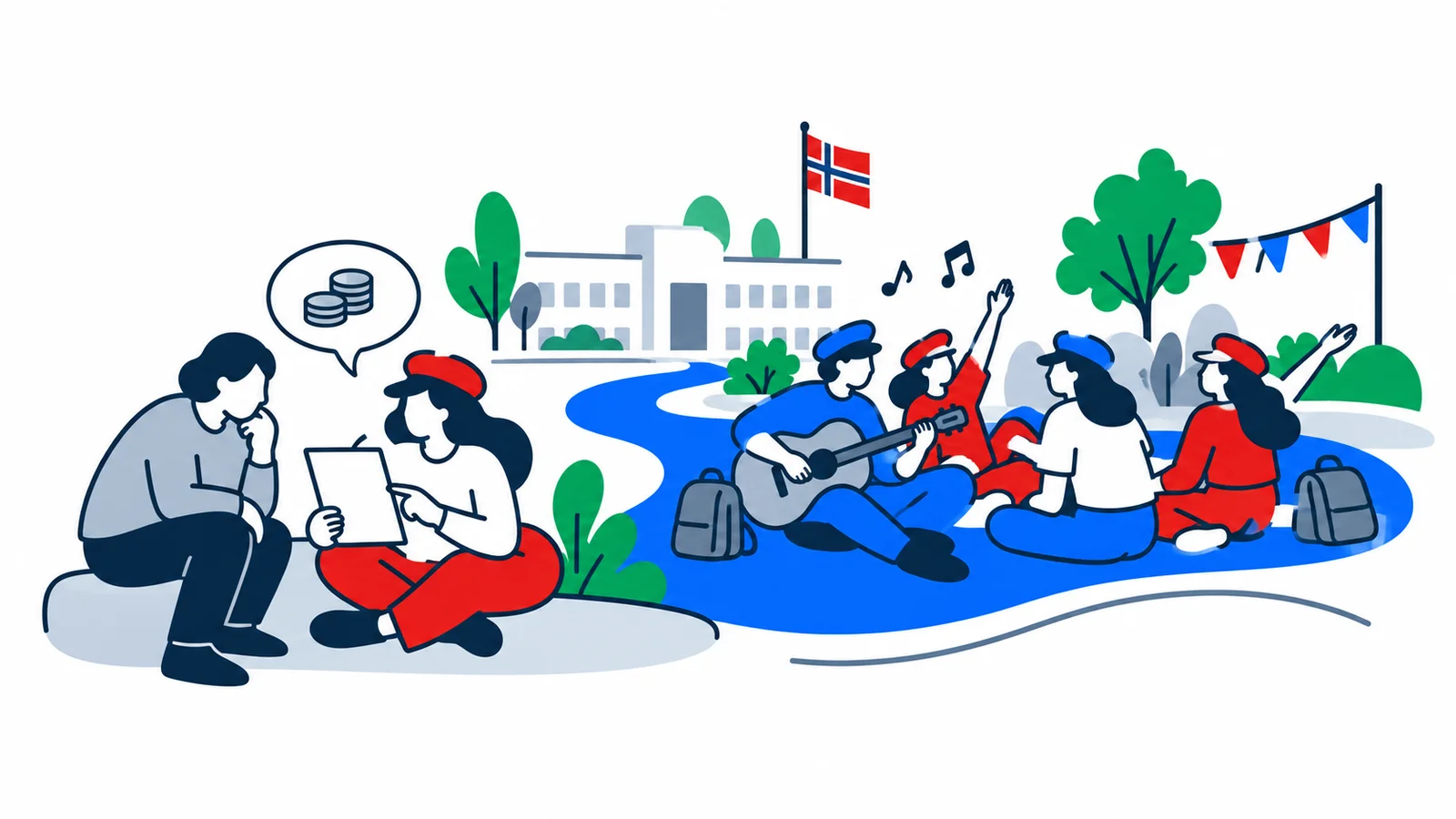
When NIBR asks what it would take for Ukrainian refugees to return home, the answer is clear: the children come first. In the survey of 3,379 displaced Ukrainians in the Nordic region, 86 % say that an uncertain future for the children is decisive, and 58 % are worried about how difficult it will be to reintegrate the children into Ukrainian school.
Statistically this shows up clearly: parents living in Norway with children under 18 are less likely to want to return. Several parents interviewed in the NIBR study describe taking the children home as «tearing up the roots one more time». One mother interviewed for the study puts it this way: «Even if we come back in two years, there will already be a big gap for them.»
At the same time, it is important to remember that Norwegian school and kindergarten receive very positive feedback from Ukrainian families – in fact higher satisfaction than almost any other service they encounter in Norway.
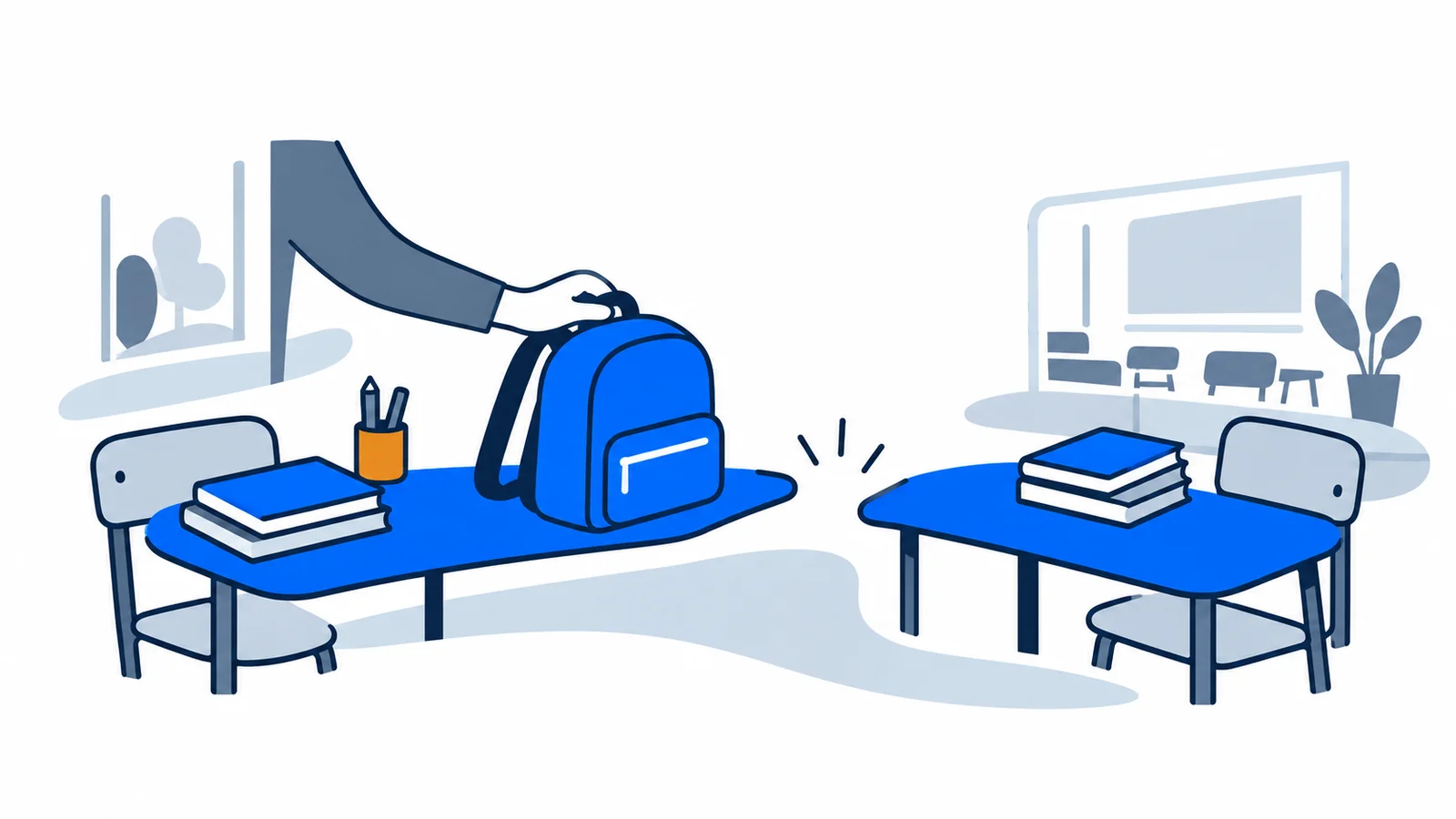
The gap between Norwegian and Ukrainian school
The concern is about more than language. Ukrainian education authorities are worried that the curricula in Norwegian and Ukrainian schools do not match, and that this could create problems if many pupils have to be held back in Ukrainian school.
Two concrete differences come up again and again:
- Grades. Norwegian primary schools do not give grades, the way Ukrainian schools do. This can complicate the transition back.
- Diplomas. According to what one interviewed parent experienced, Ukrainian schools as a rule accept only Ukrainian diplomas. In one case the child was nevertheless admitted after a test – because the family had kept in touch with the Ukrainian school through online lessons along the way.
Some parents also find Norwegian school too «easygoing». As another parent in the study recounted: «The children said that school in Norway was fun, just like a summer camp.» For others, that calmer school day is precisely a benefit.
What should parents do?
If you are considering returning – or want to keep the option open – there are some steps that make the transition easier for the children:
- Keep in touch with a Ukrainian school. Online lessons and regular contact with teachers make it easier to be admitted again without full documentation.
- Keep your documentation. Ask for confirmations of what the child has learned in Norway, even if primary school does not give grades.
- Check recognition. Familiarize yourself with how recognition of foreign education works both ways – including for education taken in Norway.
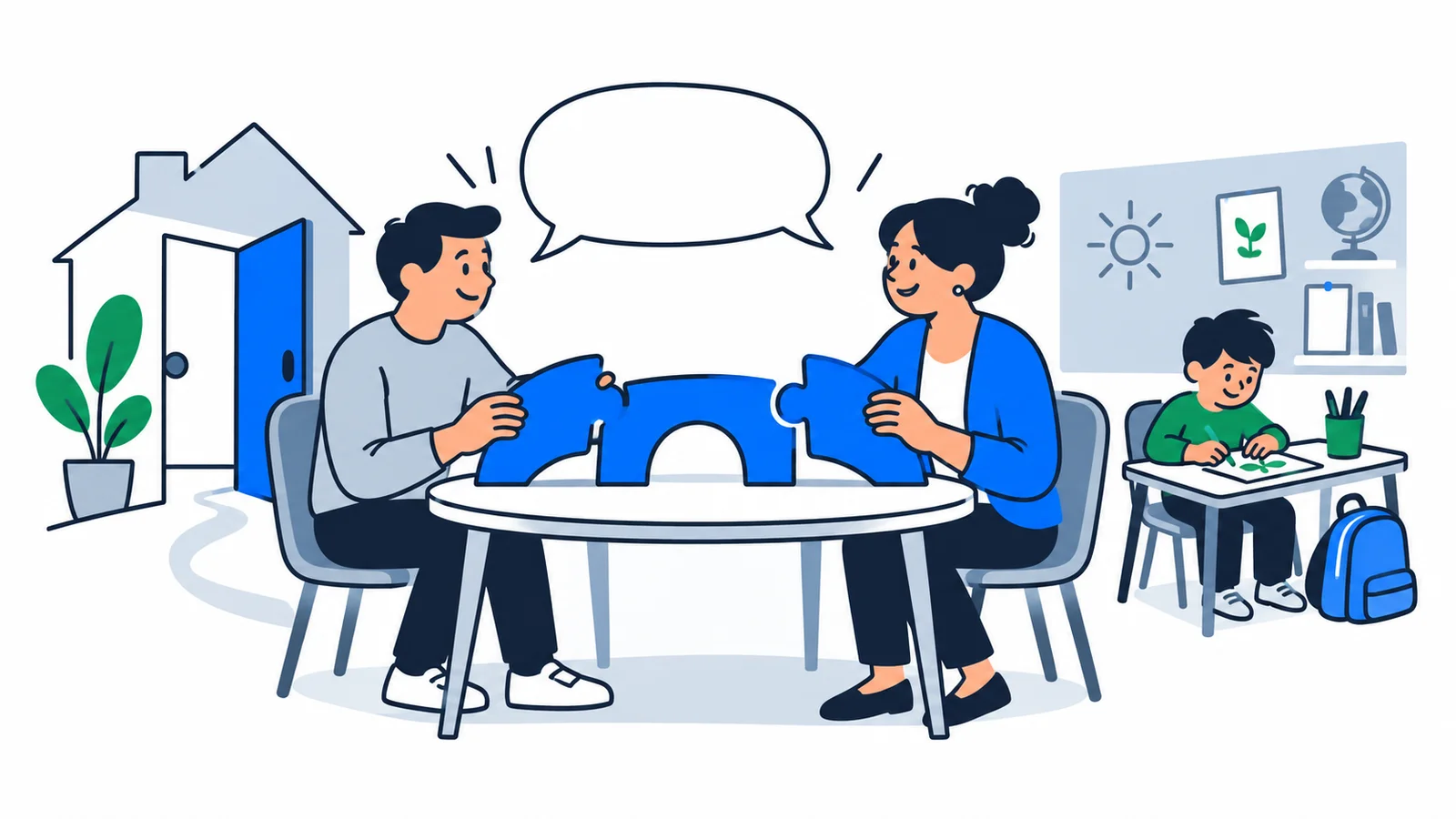
NIBR recommends that Norwegian and Ukrainian education authorities cooperate on comparing the curricula, and that parents receive clear information about how education from Norway can be recognized in Ukraine.
What about a school place and kindergarten in Norway?
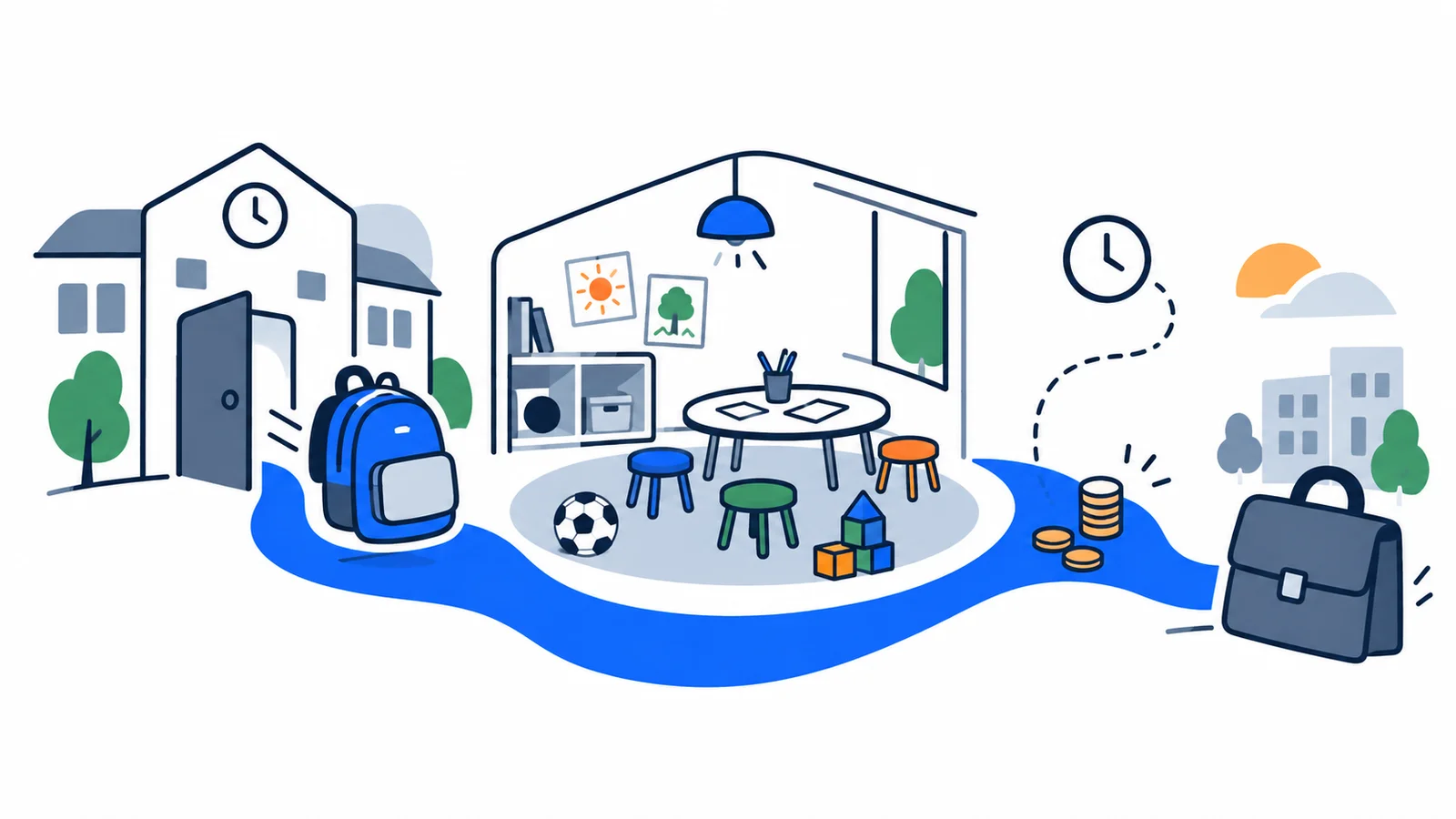
While the family is in Norway, the children have the right to school and kindergarten on equal terms with everyone else. It can be wise to familiarize yourself with how the Norwegian school system is structured, from kindergarten to upper secondary, and to keep an eye on the deadlines for kindergarten admission. Good integration in school is precisely what makes many families ultimately choose to stay.
What does this mean for the decision to go home?
The children are not only a reason to stay – they are also a reason to leave. Among Ukrainians who have returned home from Norway, several cite the children specifically: some because the child had finished primary school and was moving on, others because the teenager did not settle in and missed friends and their home town.
The decision is, in other words, deeply family-driven, and it is closely tied to why so few Ukrainian refugees want to go home at all. For many parents the question is not whether they love their homeland, but whether they dare to put their children's future at risk one more time.
Source: Holm-Hansen, J., Deineko, O., Myhre, M. H. & Aasland, A. (2025): Why return to Ukraine? An analysis of Ukraine's evolving return policies and the motivations of refugees to return. NIBR Report 2025:4, produced by OsloMet for the Norwegian Ministry of Foreign Affairs. Figures and interview quotes are taken from the report. Updated figures on protection in Norway: UDI and regjeringen.no (2026).