
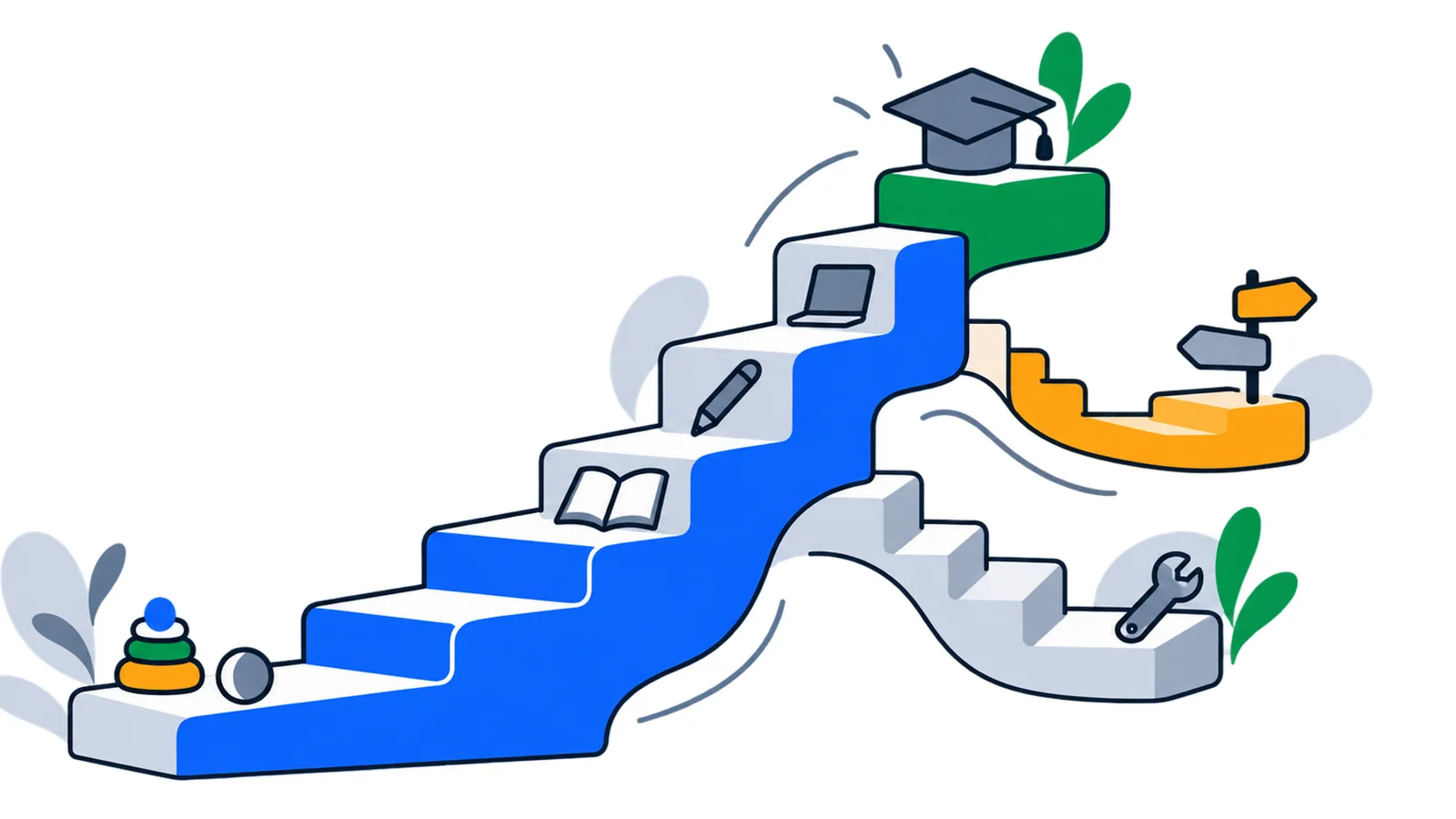

The Norwegian education system has three main parts: kindergarten, primary and lower secondary school, and upper secondary education. Kindergarten is voluntary. Primary and lower secondary school runs from Year 1 to Year 10 and is compulsory for children who have a duty to attend school in Norway. After compulsory education, young people have a right to upper secondary education until they have achieved general university admissions certification or vocational qualifications. This SamfunnPrep guide explains what a family needs to do and what help a newly arrived pupil can receive.
A quick overview of the school system
| Part | Usual age | What is important? |
|---|---|---|
| Kindergarten | 1–5 years | A voluntary service focused on play, care and language development |
| Primary school | 6–12 years | Years 1–7 of compulsory education |
| Lower secondary school | 13–15 years | Years 8–10, with grades |
| Upper secondary | From about 16 years | General studies or vocational education |
The ages are only a guide. A child arriving from another country will normally be placed in a year that matches their age. After an individual assessment, the municipality may place the child in a lower year.
Kindergarten: voluntary, but important
Kindergarten is not school and is not compulsory. Children learn through play, language and activities. The municipality is responsible for ensuring that kindergarten places are available, but the family must apply. You can find deadlines, available places and admissions information on the municipality's website.
Children who turn one by the end of August have the right, after applying, to a place from August. Children who turn one in September, October or November have the right to a place by the end of the month in which they turn one. The application must be submitted by the municipality's deadline.
Parents pay for kindergarten. In 2026, the national maximum price is NOK 1,200 per month. The price is lower in some rural municipalities, and kindergarten is free in the action zone in Finnmark and Nord-Troms. Food may cost extra. Families with a low income may be entitled to a lower fee or free core hours. Always check the rules in your municipality.
Primary and lower secondary school: Years 1–10
Children normally start school in the calendar year in which they turn six. Compulsory education lasts for ten years:
- primary school is Years 1–7
- lower secondary school is Years 8–10
Public primary and lower secondary school is free. The free education principle also covers trips and activities arranged by the school during school hours. The school must provide the learning materials pupils need. SFO or AKS is a before- and after-school programme with separate payment rules. Read more in our guide to SFO and AKS in Norway.
In primary school, pupils receive assessments without numerical grades. In lower secondary school, grades from 1 to 6 are used. The grades from Year 10 are used for admission to upper secondary school.
To learn more about the first school day and enrolment, read starting school in Norway.
The right to education for children who have recently arrived
A child has the right to public primary and lower secondary education when they are likely to stay in Norway for more than three months. The right applies from the year the child turns six until Year 10 is completed. It does not depend on the child already having permanent residence.
The municipality must start the education as soon as possible. As of 12 September 2026, a complete education programme must be in place no later than three months after the child arrived in Norway. Three months is a final deadline, not a normal waiting time. The municipality must provide the education it can while the rest of the programme is being prepared.
Contact the municipality's school office soon after arrival. Give the child's name, age, address, previous schooling and languages. The municipality may ask for documents, but missing school certificates should not stop you from contacting the municipality. Also read about newly arrived children's right to education.
Language support and adaptations
A pupil whose mother tongue is not Norwegian or Sami has the right to special language education if the pupil does not know enough Norwegian to follow ordinary teaching. The support must continue until the pupil can follow the ordinary education.
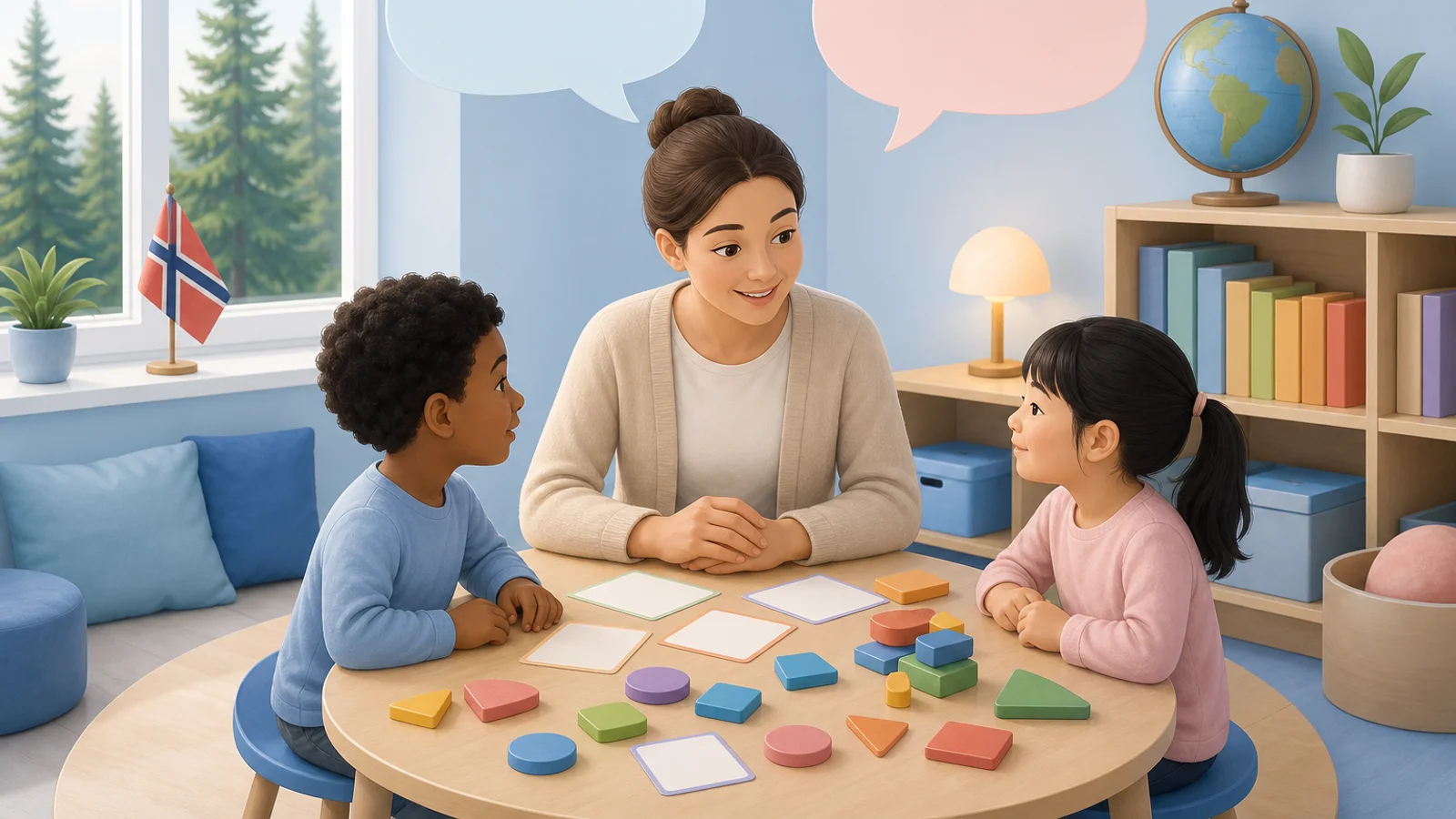
Special language education must include enhanced Norwegian instruction. When needed, the pupil must also receive mother-tongue instruction, bilingual teaching in subjects, or both. The school must assess the pupil's language skills and make a formal decision. Parents can ask the school to explain the assessment and the decision.
Some municipalities use introductory classes or reception groups. Others let the pupil start directly in an ordinary class with extra support. The service may therefore look different from one municipality to another. What matters is that the pupil's needs are assessed individually.
If the child needs other adaptations, discuss them with the class teacher or headteacher. The school must also work to ensure that the pupil has a safe and positive school environment. If there is bullying or the child feels unsafe, the adults at school must investigate and take action.
Upper secondary: general studies or vocational education
Pupils who have completed primary and lower secondary school or equivalent education have the right to upper secondary education. Under the new Education Act, the right lasts until the pupil has achieved general university admissions certification or vocational qualifications. The right is therefore not limited to a fixed number of school years.
General studies programmes prepare pupils for university and university college. Vocational education normally leads to a trade or journeyman's certificate and may include both school and an apprenticeship period. There are also options to take supplementary studies or change direction.
Applications are normally submitted through Vigo. The deadline is often 1 March, while some applicants have an earlier deadline. Deadlines and documentation requirements can change. Check Vigo and the county authority for the relevant school year, and ask a guidance counsellor for help. Young people aged 19 to 24 can choose education organised for pupils or for adults. From the year a person turns 24, the rules for upper secondary education for adults normally apply.
What parents should do
- Contact the municipality immediately if your child needs a school place.
- Tell the school about languages, previous schooling and the need for support.
- Read every decision and deadline. Ask for an interpreter if communication is difficult.
- Attend parent-teacher meetings and ask whenever something is unclear.
- Contact the headteacher first if your child is not receiving the right service or does not feel safe.
The school, parents and pupil must work together. You do not need perfect Norwegian to ask questions. Ask for a simple explanation or an interpreter when necessary.
The school system is also a topic in the social studies test. You can read about the format of the social studies test and practise for free with SamfunnPrep.