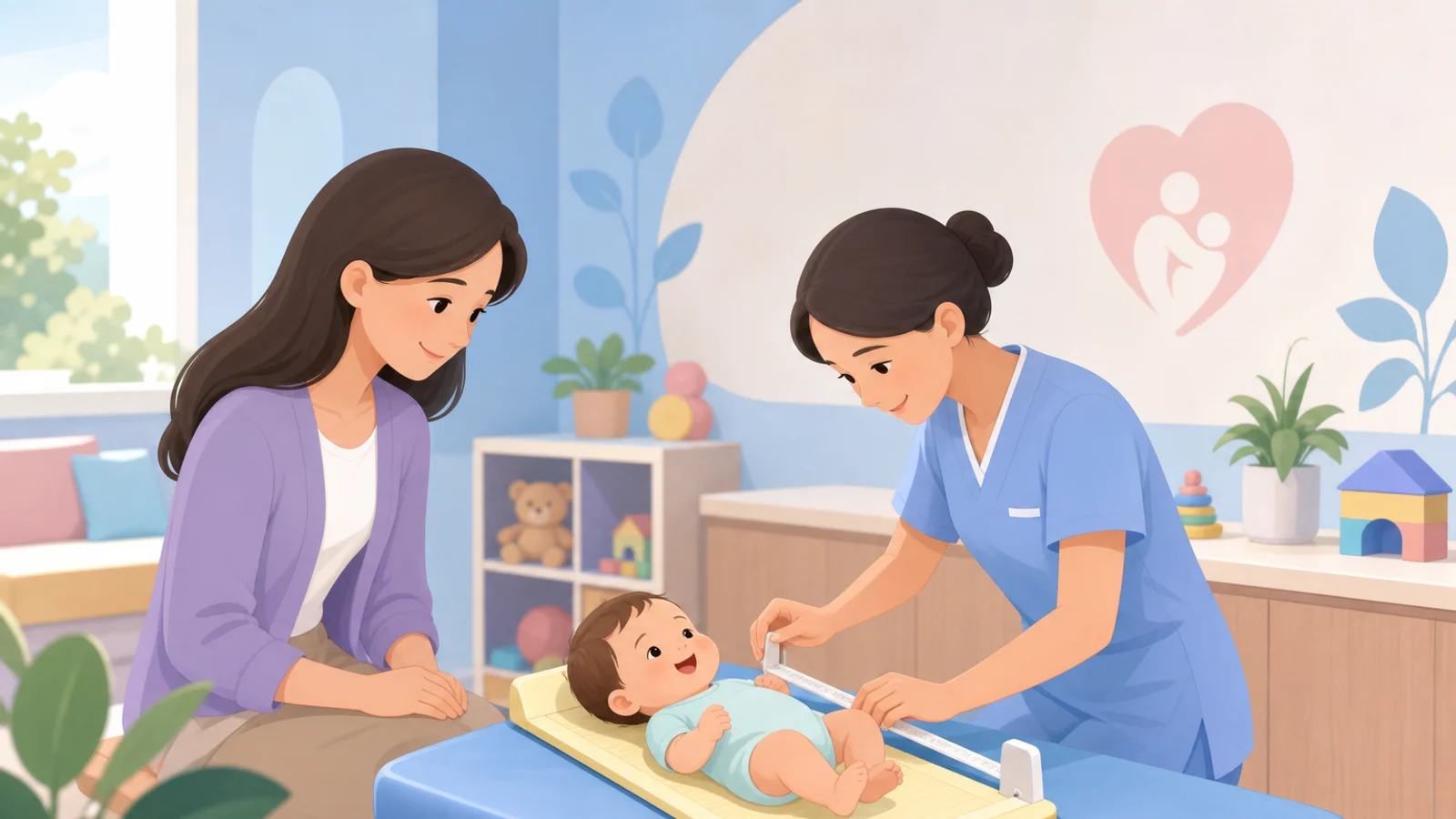


A sick child in kindergarten should stay home when their general condition is poor, not just when the thermometer shows fever. The main rule from the Norwegian Institute of Public Health (FHI) is that the child should be fever-free and well enough to participate in normal activities. Fever is defined as temperature above 38 °C measured in the rectum.
When must a sick child in kindergarten stay home?
The child must stay home when they cannot manage a typical kindergarten day. There is no fixed rule about the number of days for most common illnesses. FHI uses the term general condition, and this is the concept that new parents in Norway find most difficult to understand.
General condition means how the child functions as a whole, not what number appears on the thermometer. A child with 38.3 °C has fever and should stay home, but is often ready to return to kindergarten the day after the fever is gone if they eat, drink, and play normally. A child without fever who is sluggish and cannot keep up should stay home.
A runny nose and cough alone are not reasons to stay home. FHI states that children with lingering symptoms after a cold, such as a runny nose or cough, can return when the child is otherwise in their usual form. Norwegian kindergartens play outside in all kinds of weather, but fresh air is not dangerous for a child who is well enough to be there.
What does general condition mean in practice?
Use these points as a checklist in the morning. If the child manages all of them, they can usually go to kindergarten:
- The child drinks and eats approximately as usual.
- The child has slept reasonably normally at night.
- The child is fever-free without you having given paracetamol or other fever-reducing medicine.
- The child has energy to play, including outdoors.
- The child is not unusually sluggish, crying, or uninterested in everything around them.
You know your child best, and your judgment counts. The kindergarten can still call you during the day if the child cannot manage the activities.
Symptom by symptom: home or in kindergarten?
The table below shows what FHI recommends for a sick child in kindergarten, as of 26 July 2026. The sources are FHI's parental guidance and the infection control handbook's chapter on kindergartens, last updated 30 January 2026.
| Symptom or illness | Rule | Return to kindergarten |
|---|---|---|
| Fever above 38 °C rectally | Stay home | When the child is fever-free and in their usual form |
| Cold, runny nose, cough | Can attend | Lingering symptoms are fine |
| Infectious gastroenteritis, diarrhea, vomiting | Stay home | 48 hours after diarrhea and vomiting have stopped |
| Mild or moderate conjunctivitis | Can attend | No waiting period |
| Severe conjunctivitis with heavy discharge | Stay home | When pus formation has decreased |
| Chickenpox | Stay home | When the rash begins to dry, and general condition is good |
| Hand, foot and mouth disease | Can attend | Follow general condition |
| Impetigo | Stay home | When sores are under control |
| Ear infection | Follow general condition | When the child is in their usual form |
| Scarlet fever, streptococci | Stay home | After at least one day on antibiotics, and general condition is good |
| Head lice | Can attend | Start treatment the same evening |
The two most important numbers here are 38 °C and 48 hours. The 48-hour rule for infectious gastroenteritis applies from when the symptoms stop, not when they started, and also applies to children in diapers.
FHI also writes something many are surprised by: experience shows that strict rules for keeping sick children away from kindergarten have limited effect on disease transmission. Therefore, Norwegian rules are brief and based on judgment.
Why do children in Norway rarely get antibiotics?
Because most infections in children are caused by viruses, and antibiotics do not work against viruses. Helsenorge states that viruses are the cause of most throat inflammations, ear infections and sinusitis, as well as all colds.
For most infections, Helsenorge recommends waiting and observing the situation for two to three days. For ear infections, 8 out of 10 children recover within a few days without treatment. Paracetamol and ibuprofen do not cure the inflammation, but they relieve the pain while the body heals itself.
There are clear exceptions, and it is important to know about them:
- Children under 1 year of age with ear infection should generally be treated with antibiotics.
- Children under 2 years of age with ear infection in both ears should also receive antibiotics.
- Children who frequently get ear infections, so-called "ear children", are given antibiotics more often.
Norwegian restraint is not about saving money. Antibiotic-resistant bacteria are an increasing global health problem, and it is difficult to develop new types of antibiotics. The less antibiotics used without reason, the longer the medicines work when a child really needs them. If you are unsure whether your child needs antibiotics, ask for an appointment with your GP, and use urgent care only when it is urgent.
Can kindergarten require a medical certificate or eye drops?
No, not for conjunctivitis. FHI's infection control handbook states directly that kindergarten staff generally cannot require that children with symptoms of conjunctivitis be examined or treated with eye drops before they are allowed to return.
Regulation on health and environment in kindergartens, schools and school leisure-time centres § 13 requires the kindergarten to operate so that the risk of disease transmission is as small as practically possible. The obligation applies to the kindergarten's own operations, such as handwashing and cleaning. It does not give the kindergarten the right to require medical clearance from a doctor for common childhood illnesses.
If you disagree, ask for a calm conversation with the principal and refer to FHI's pages. If you have the right to interpreter in kindergarten and school, you can request an interpreter for the meeting.
When should you contact a doctor or urgent care?
Contact a doctor immediately if the child is three months or younger and has fever. Also call quickly if you see small reddish-purple spots on the skin that do not fade when you press a glass against them, especially together with sluggishness, vomiting, or stiff neck.
Urgent care has the number 116 117. In life-threatening situations, call the medical emergency line 113. FHI emphasizes that you should always contact a doctor if you are worried about the child, regardless of what the table above says.
What do you do about work when the child is sick?
You have the right to paid leave. Each parent has 10 days of care leave per year with one or two children, and 15 days with three or more children, until the year the child turns 12 years old. The rules are in our guide to care leave and leave for sick children. If the child is seriously ill for an extended period, sickness benefits from NAV (Labour and Welfare Service) apply instead.
If you have recently moved to Norway, SamfunnPrep collects the practical tools for new residents in one place, from healthcare to kindergarten. Health and welfare services are part of the curriculum for the civic knowledge test — practice for free on SamfunnPrep.