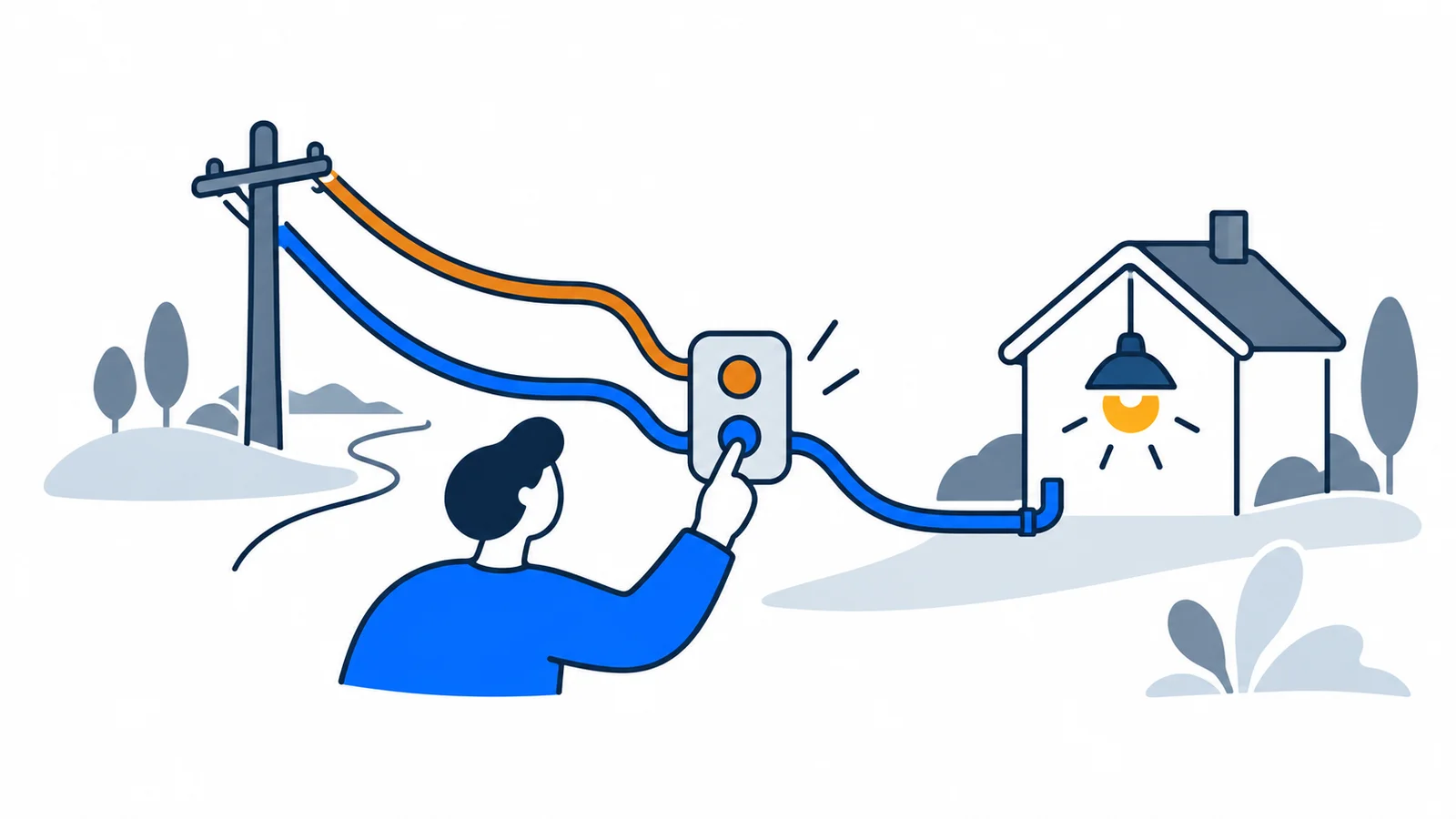

Your electricity bill in Norway has two parts: the grid rent (nettleie) you pay your grid company (a monopoly you cannot switch) and the electricity itself from a power supplier (where you can choose freely). On top of this, most households get electricity support (strømstøtte) from the state in 2026, and you can choose a fixed price through Norgespris.
For many newcomers the electricity bill is a mystery. It often arrives in two envelopes, the price swings from hour to hour, and words like spot price, grid rent and electricity support all blur together. This guide explains how the bill is built up, what you actually pay for, and what support and choices you have in 2026. The numbers change, but the system itself stays the same.
The electricity bill has two parts: grid rent and electricity
The most important thing to understand is that you pay two different companies for electricity:
- Grid rent (nettleie) goes to the grid company that owns the power grid where you live. This is a monopoly service – there is only one grid, so you cannot switch grid company. The grid rent covers transporting the electricity and maintaining the grid, and the price is regulated by the state through NVE/RME (the Energy Regulatory Authority).
- Electricity (also called power, kraft) goes to a power supplier you choose yourself. Here there is competition, and you can switch supplier whenever you want to get a better deal.
Think of it like a mobile phone: the line into the house is fixed (grid rent), but you can shop around for the plan (electricity). On the bill you usually see both parts, plus taxes and VAT that the state adds.
The grid rent is usually split in two: a fixed charge (a fixed monthly sum) and an energy charge (an amount per kWh you use). Many grids also have different prices for day and night to encourage using power when the grid is less loaded. You cannot negotiate the grid rent, but you can affect the energy charge by using less electricity during the most expensive hours. Both envelopes must be paid in any case, or you risk reminders – read how to handle debt collection and claims you cannot pay before it gets that far.
Spot price, fixed price or variable price?
On the electricity part you choose a price model. The three most common are:
- Spot price follows the market price on the power exchange hour by hour, usually with a small mark-up to the supplier. The price can be low at night and high in the afternoon. You carry the swings yourself, but over time spot is often cheapest.
- Fixed price (fastpris) locks the øre price per kWh for an agreed period, for example one or three years. You get predictability, but usually pay an insurance premium for the security.
- Variable price is set by the supplier and changes with a few weeks' notice. It swings less than spot, but is often more expensive and less transparent.
There is no single right answer. If you want the lowest possible average price and can tolerate swings, spot suits you. If you want to sleep well and know what the bill will be, fixed suits you. In 2026 there is also a third, state-run option: Norgespris.
Electricity support 2026: how it works
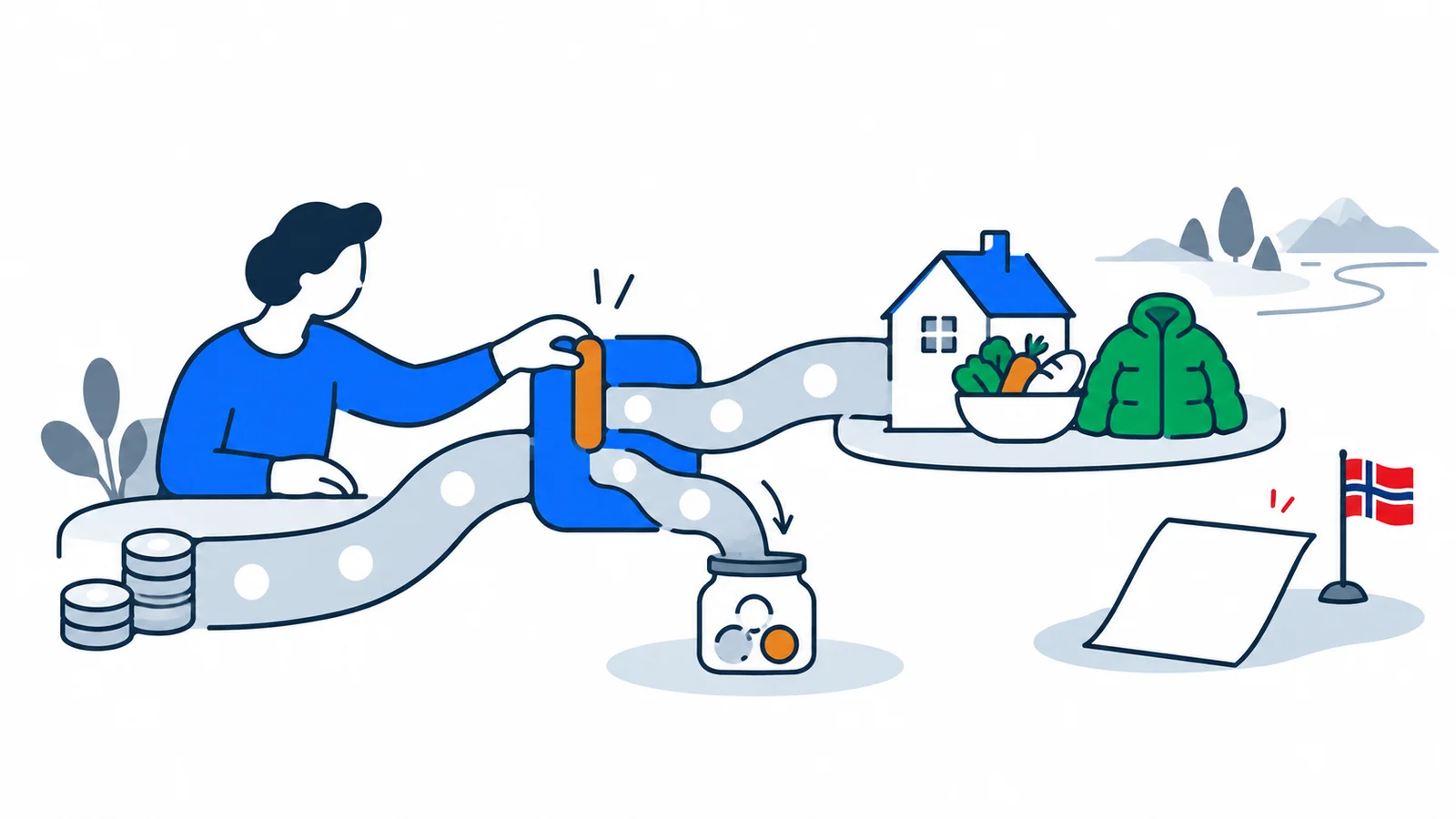
Electricity support (strømstøtte) is the state's scheme that softens high electricity prices for households. It is automatic – you do not have to apply. The support is deducted on your bill via the grid company, so you only pay what is left.
This is how the state calculates in 2026 (figures as of 2026, checked against the Energy Regulatory Authority and hvakosterstrommen.no):
- The state covers 90% of the electricity price above a threshold of 77 øre/kWh excluding VAT (the threshold equals 96.25 øre/kWh including VAT). The threshold was adjusted up from 75 to 77 øre/kWh from 1 January 2026.
- The support is calculated hour by hour, so it hits exactly the expensive hours.
- It applies to consumption up to 5,000 kWh per month per home. If you use more than that, you pay full price on the excess.
A simple example: if the average price is 177 øre/kWh excluding VAT one month, 100 øre is above the threshold, and the state covers 90% of that – that is, 90 øre/kWh. This way a very high bill never becomes quite as high as the market price alone would suggest. The electricity support applies whether you have a spot, fixed or variable deal, and it only applies to the home you live in (your registered address), not, for example, a holiday home. Because the threshold and the percentage can be adjusted by parliament (Stortinget), it is wise to check the current rates with NVE/RME if you read this later.
Norgespris: a fixed state price you must order
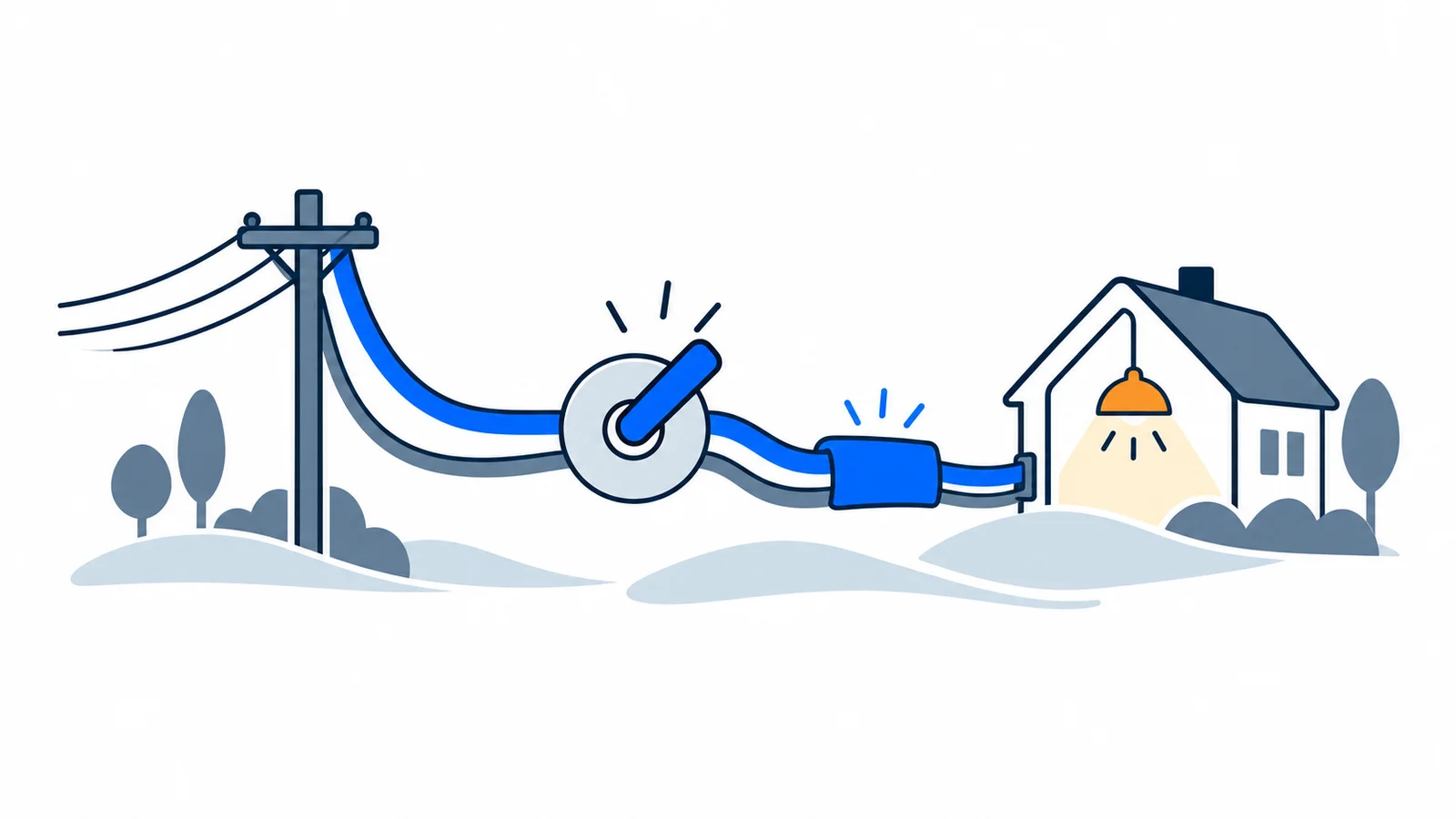
In addition to the ordinary electricity support, from 2025 you can choose Norgespris, an optional scheme with a fixed price from the state. You must order it yourself – if you do nothing, you stay on ordinary electricity support.
The main points (figures as of 2026, checked against NVE and regjeringen.no):
- The price is 50 øre/kWh including VAT (40 øre/kWh excluding VAT). In Nordland, Troms and Finnmark, which have no VAT on electricity, the price is 40 øre/kWh.
- The scheme applies for the period 1 October 2025 to 31 December 2026.
- It covers consumption up to 5,000 kWh per month for homes and 1,000 kWh per month for cabins/holiday homes. Consumption above the limit is billed at your ordinary agreed price.
- There is a lock-in period: once the cancellation deadline has passed, your electricity meter is bound to Norgespris for the rest of the period, that is, until 31 December 2026.
Norgespris can pay off if you want a low, predictable price and to avoid following the market. But because the price is locked, you can lose out on it if the market price stays lower than 50 øre over time. Calculate based on your own consumption before you commit.
How to switch electricity supplier safely
Because the electricity part is a competitive market, switching electricity supplier is one of the easiest ways to save money. Here is how to do it safely:
- Compare deals on the Consumer Council's independent service strompris.no, not just on the sellers' own pages.
- The new supplier arranges the switch for you via the central metering point register Elhub – you do not have to cancel the old one yourself.
- You usually have no lock-in on spot and variable deals, so you can switch again later. Remember that a fixed-price deal and Norgespris, by contrast, bind you for the contract period.
- Read the terms: look for the mark-up per kWh, the monthly fee and whether the "campaign price" only lasts a few months.
Also be aware of door-to-door and telephone sellers who promise "cheapest in the country" – real comparison is something you do yourself on strompris.no. Cutting unnecessary fixed costs is classic personal finance; you will find more such tips in the guide on how Norwegians save money.
Electricity is often one of the biggest fixed costs in a home, on a par with rent. When you understand that the bill has two parts, know what the electricity support covers, and can switch supplier, you have control over a large part of your finances. If you are going to rent, also check who is responsible for the electricity in the tenancy agreement in Norway.
In short
- The bill has two parts: grid rent (a monopoly, cannot be switched) and electricity (competitive, can be switched).
- Electricity support 2026 is automatic and covers 90% above 77 øre/kWh excluding VAT, up to 5,000 kWh a month.
- Norgespris is an optional fixed price of 50 øre/kWh including VAT through 2026 – but with a lock-in period.