Safe, critical and responsible use of digital services.
Reading time
≈ 6 min
At a glance
Digital skills combine using services with judging what you encounter. Practise checking sources, protecting privacy and making secure choices when signing in, sharing a photograph or receiving an unexpected message.
The essentials to remember
01
Check the source
Check the author, date and evidence before relying on a claim.
02
Personal data
Personal data include more than names and identity numbers.
03
Consent first
Ask for consent before sharing a portrait photograph.
04
Avoid scams
Use an independently checked contact route if you suspect fraud.
Understand the topic
01
Check a claim before sharing it
Critical thinking means examining claims, reasoning and your own assumptions before reaching a conclusion. Source criticism is part of this: you assess where information comes from and what supports it. Identify the author, date and evidence behind the claim.
Consider the author’s purpose and whether important information is missing. An opinion can be relevant without being an established fact.
Frequent sharing does not make a claim true. If two posts disagree about a public rule, look for current information from the responsible authority.
Be willing to revise your own understanding when better evidence becomes available.
A screenshot about an application deadline may be genuine but refer to last year or a different group of applicants. Finding the original source lets you check both the date and the conditions. A confidently worded AI answer is not evidence by itself either: open the source and check whether it actually supports the claim.
02
Personal information and photographs need care
Personal data can identify someone directly or in combination with other information. Names, photographs and certain digital traces can therefore be personal data.
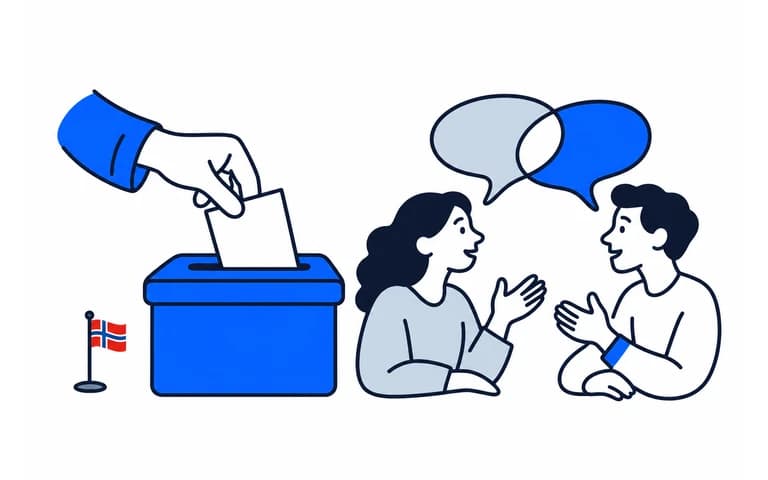
Think about who needs the information before sharing it. Publishing or sharing portraits generally requires the person’s consent, including in closed groups.
Exceptions exist, including some images of public events, but not every photograph taken in a public place is free to share. Take particular care with photographs of children.
Privacy and opphavsrett (copyright) are separate questions. The person pictured may have rights concerning sharing, while the photographer may hold rights to the image itself. Being able to download an image does not mean you can freely republish it. Check permission, licensing and any relevant exceptions before using another person’s images or text.
03
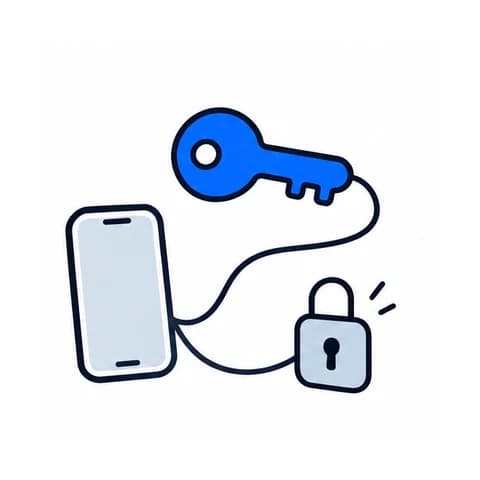
Electronic ID is your digital key
Electronic ID confirms who you are when you sign in to services. MinID uses more than one factor, and different services can require different security levels.
A national identity number alone is therefore not the same as secure authentication. Keep passwords and one-time codes private.
If someone helps you with a form, retain control of your sign-in. Read what you are approving and use the service’s official guidance when you need help accessing your account.
04
Pause when a message demands urgency
Fraudsters can imitate the name, telephone number and appearance of a bank or public service. A message insisting on immediate action may be trying to obtain security codes or send you to a fake website.
End the contact and reach the service using an address or number you checked independently. Digdir does not request passwords or bank information this way.
If you have shared banking details or security codes, contact your bank promptly; suspected fraud can also be reported to the police.
Useful distinctions
Source criticism / disagreement
Source criticism examines the basis for information. Disagreement means you hold a different view.
Identity number / electronic ID
A national identity number or d-number identifies the person. Electronic ID authenticates a sign-in using additional security factors.
From learning to everyday life
Think through an example
A message that looks like your bank
A text says your account will be blocked in ten minutes. Its link opens a page asking for your password and one-time code.
How can you check the message safely?
Explanation
Do not use the link or provide the codes. Open your bank’s app, type its known address yourself, or call a number found independently of the message. A familiar sender name does not prove that a message is genuine.
Assessing information’s credibility, origin and supporting evidence.
Personopplysning
Information that can be linked to an identifiable person.
Elektronisk ID
A digital method for confirming your identity when signing in.
Svindel
Deception intended, for example, to obtain money or access to an account.
Personvern
Protection of your privacy and rules governing how information about you may be collected, used, shared and stored.
Passord
A secret combination of characters protecting access to an account. A long, unique password makes it harder to misuse the account.
Tofaktorautentisering
Signing in with two different types of proof of identity, such as a password and a code from your phone.
Nettvett
Good habits for safe, responsible internet use: showing respect, protecting personal information and thinking before sharing.
Digitalt fotavtrykk
Traces left when you use digital services, including what you share yourself and information the services record about you.
Desinformasjon
False or misleading information spread deliberately to influence or deceive people. It differs from an unintentional mistake.
Nettfiske
Fraud, also called phishing, where fake messages or websites try to trick you into revealing passwords, card details or other sensitive information.
Informasjonskapsel
A small text file a website stores on your device. It can remember settings and logins or track how the website is used.
Sample questions, explained
Explore two questions about this topic, with correct answers and explanations.
Example 01Which difference between MinID and BankID matters when choosing a login?
Correct answer
MinID is a public eID, while BankID is also used in banking
Explanation
MinID is a public electronic ID at the substantial assurance level. BankID is used for banking and public services, among others. Both require verified identity, and Norwegian citizenship is not a general requirement. Each service decides which eIDs and assurance levels it accepts.
Example 02What is the difference between critical thinking and source criticism?
Correct answer
Critical thinking is evaluating information in general, while source criticism is evaluating the source — what you read and who is behind it.
Explanation
Critical thinking is to analyse and evaluate information so that you can form well-founded views. Source criticism is part of this: evaluating what you read by asking questions like who wrote the text, does the writer have an agenda, and is the information correct.
How to prepare
You receive an urgent message from “the bank” and see a post about a new public rule. How do you check each without trusting the message alone? Then explain why permission from a photographer and consent from the person in a portrait can be two different questions.
Edited examples from SamfunnPrep’s question bank, not official HK-dir test questions.
Questions and answers
Can I trust a message because it displays my bank’s name or number?
No. Fraudsters can imitate names, telephone numbers and a service’s appearance. Do not provide passwords or one-time codes through a suspicious request. Open the bank’s app or find a known address or number independently of the message. If you already shared banking details or security codes, contact the bank promptly.
Can I share someone’s portrait without consent in a closed group?
Consent from the person pictured is generally required even when the group is closed, including when forwarding someone else’s photograph. Some event or situation photographs have exceptions, but being taken in a public place does not make every image free to share. Take particular care with photographs of children.
Your next step
3 days free
Turn what you know into confident answers.
Put this topic into practice, learn from mistakes and see what you have mastered. One question at a time.





 Think through an example