
The government plans to propose a temporary ban on AI glasses in selected places. As of 7 October 2026, this is an announced legislative proposal. It is not an adopted total ban, and the announcement sets no effective date.
What does the government want to ban?
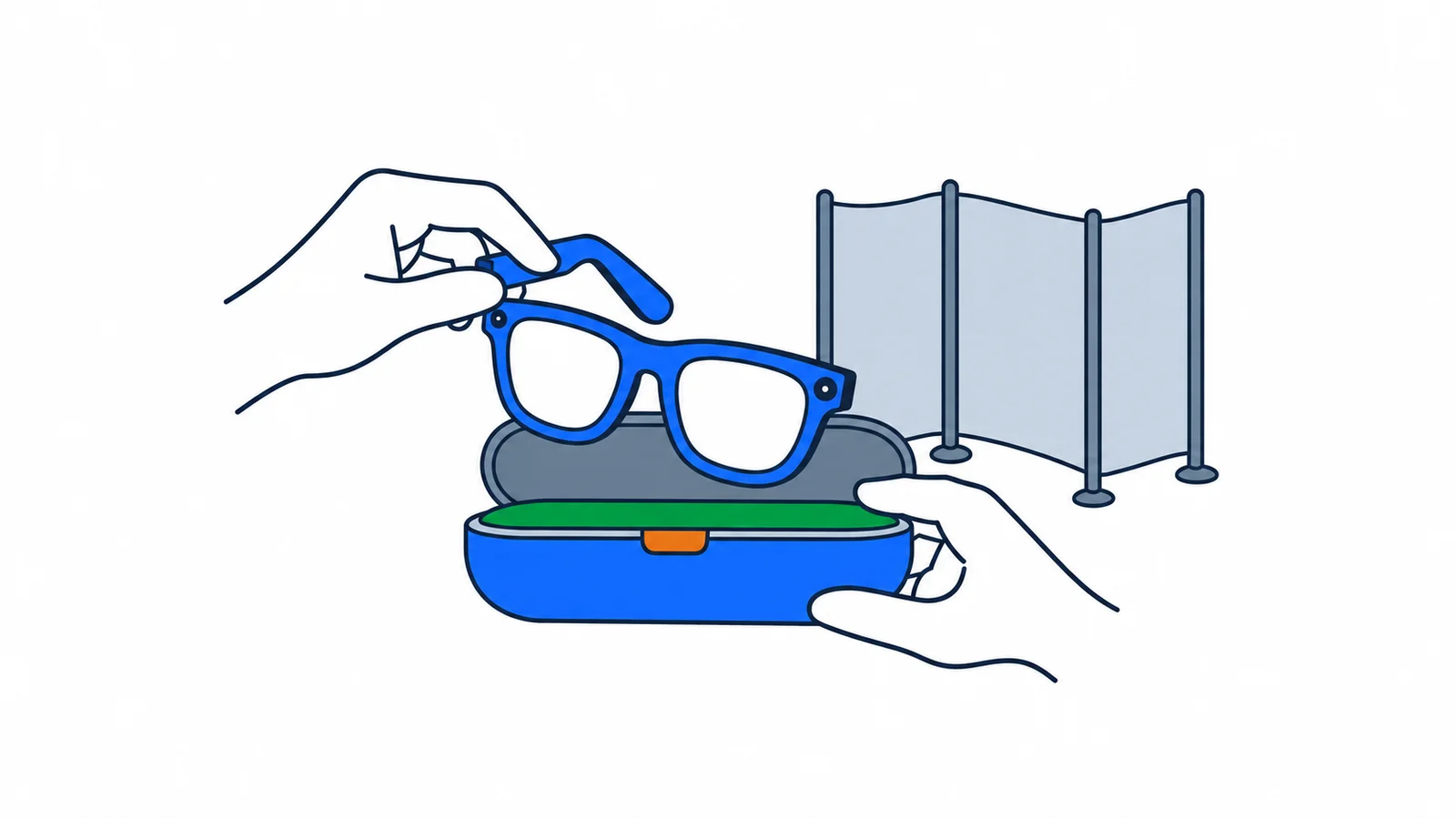
The government wants to restrict the use of AI glasses in certain places. AI means artificial intelligence. These glasses may have cameras and functions that process information, among other features.
Digitaliserings- og forvaltningsdepartementet, the ministry working on digital policy, announced the plan on 5 October 2026. The concern is that people may be filmed, photographed or have their voices recorded without knowing it. Read the government's announcement about AI glasses.
The government also plans an expert group to advise on permanent national rules. It does not plan a total ban on AI glasses and other technology you wear on your body.
SamfunnPrep's guide to privacy and personal data explains general rights. This news concerns work on a possible new restriction.
Which places could be covered?
Schools, kindergartens and places with a particular need for privacy are among the examples the government is considering. The list is not a final, adopted rule.
Possible places mentioned in the announcement include:
- parks, bathing beaches and public events
- schools, kindergartens and playgrounds
- healthcare institutions and doctors' offices
- exercise facilities with changing rooms and showers.
The government will also clarify which technology a ban would cover. It announces exceptions for vulnerable groups and limited uses that benefit society. The details therefore matter to people who use such aids.
Has a ban been adopted?
No. The announcement describes a legislative proposal the government intends to submit to Stortinget. It gives no effective date.
Stortinget, Norway's parliament, has also received a separate private member's proposal on AI glasses. The proposal from Sosialistisk Venstreparti (SV), the Socialist Left Party, was submitted on 5 October 2026. As of 7 October, the case page shows that committee consideration, debate and a decision have not taken place. This is a separate initiative, not a decision on the government's plan.
What should you do about images and recordings now?
You must still consider current rules for sharing images and video. A planned ban and the right to publish an image are different questions.
Datatilsynet, the data protection authority, explains that sharing portrait images normally requires consent. There are exceptions. Images of situations may also fall under privacy rules when people can be recognised. See Datatilsynet's guidance on sharing images, checked on 7 October 2026.
This guidance on sharing does not mean all recordings are automatically unlawful. Before sharing, clarify who appears and what legal basis you have. SamfunnPrep explains responsible use in its guide to digital judgement.
If an image of you has been published unlawfully, you can first ask the person who shared it to remove it. Contact the website or app if this does not resolve the matter. The SamfunnPrep tools overview also offers practical support for other everyday tasks.