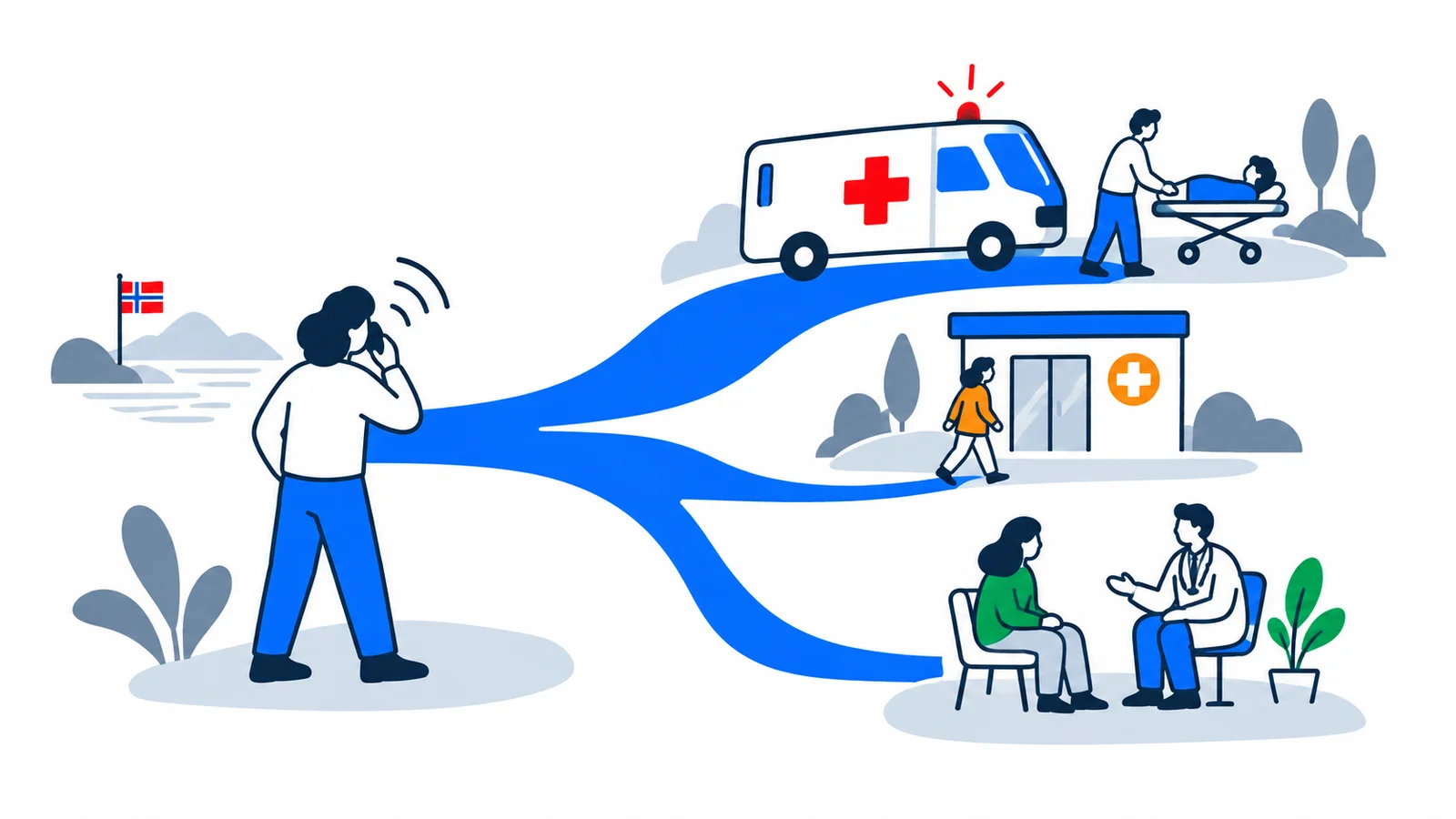

Carbon monoxide is a poisonous gas with no smell or colour. Never use a generator or charcoal barbecue indoors. If poisoning is possible, move away from the source without putting yourself in danger. Call 113 for serious symptoms, or Giftinformasjonen on 22 59 13 00 for advice.
What is carbon monoxide, and why can you not smell it?
Carbon monoxide, called kullos in Norwegian, is a poisonous gas you cannot see or smell. It can arise during combustion and impair the body's ability to get enough oxygen.
Giftinformasjonen, Norway's advice service for acute poisoning, describes risks and first aid on Helsenorge's carbon monoxide page. The advice in this guide was checked on 4 October 2026.
An appliance can therefore produce dangerous carbon monoxide even if the room does not smell of smoke. Nobody noticing a gas smell is not a check that the air is safe.
In autumn and winter, alternative heating and cooking may be needed during a power cut. This guide covers the carbon monoxide risks of these options. SamfunnPrep's guide to smoke alarms and fire safety at home covers other important parts of safety.
Which equipment must never be used indoors?
Generators, disposable barbecues and charcoal barbecues must not be used inside a house, cabin, tent, boat or caravan. An open window does not turn these appliances into equipment for indoor use.
A generator is a machine that produces electricity, often with a petrol or diesel engine. Its exhaust may contain carbon monoxide. The same problem can arise from vehicle exhaust in small, poorly ventilated spaces.
| Equipment or situation | Important check |
|---|---|
| Petrol or diesel generator | Must not be used indoors. Follow the safety instructions. |
| Disposable or charcoal barbecue | Must not be used indoors, including in tents or boats. |
| Gas heater designed for indoor use | Requires correct use and ventilation according to the instructions. |
| Gas burner or camping stove | Must not be used in poorly ventilated rooms. |
Do not move an outdoor appliance inside because rain or snow makes outdoor use inconvenient. Find another solution. If you do not have the instructions, obtain them before using the equipment.
Can you use a gas heater as backup heating?
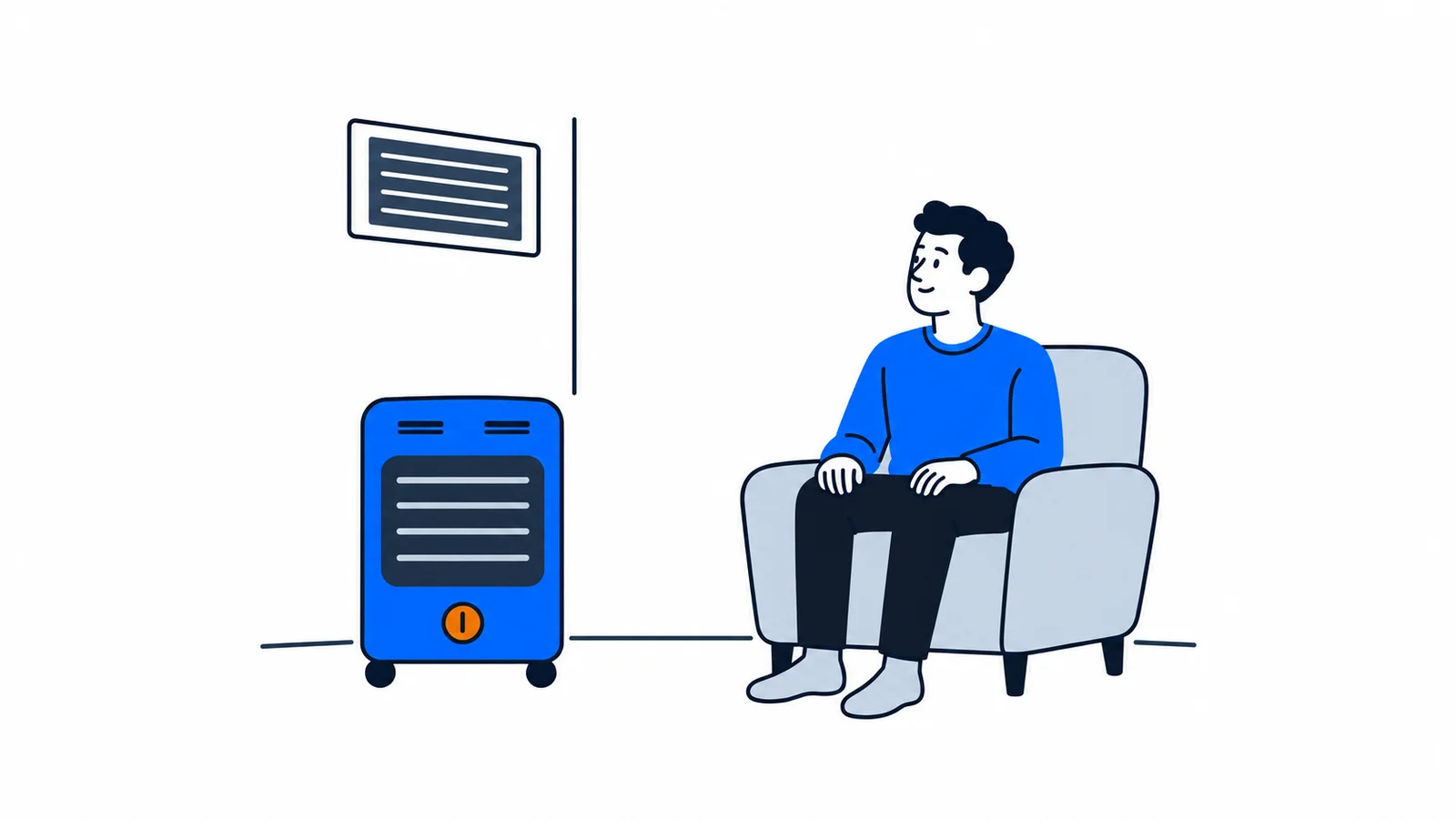
A gas heater designed for indoor use can provide backup heating, but only with correct ventilation and use. It must not be left on while you sleep.
Direktoratet for samfunnssikkerhet og beredskap (DSB), the Norwegian Directorate for Civil Protection, advises on safety and household preparedness. DSB's advice on heat and light during power cuts distinguishes suitable backup heating from equipment requiring other safety measures.
For portable gas heaters, DSB describes requirements including supervised use, good ventilation and not using them in rooms where people sleep. See DSB's guidance, section 15.2.7.7.
Portable gas heaters with a gas container must not be used or stored in attics. The same applies to rooms where the entire floor is below ground level. DSB describes this in the same section of its guidance.
Check the instructions for your particular appliance. Room size, positioning and distance from flammable items may matter. Do not cover the heater or hang clothes over it to dry.
Giftinformasjonen also recommends maintaining and checking equipment. Ask professionals if you do not know whether it is in good condition. Do not invent your own rule for how long an unfamiliar heater is safe to use.
Which symptoms could mean carbon monoxide poisoning?
Headache, dizziness, nausea and weakness can be signs of carbon monoxide poisoning. More serious signs include confusion, fainting, chest pain and changes in breathing.
Symptoms alone do not establish what is wrong. Tell the help service about both the symptoms and possible carbon monoxide exposure. Mention, for example, whether a generator, barbecue or gas heater was in use.
Do not wait until everyone in the room becomes ill. Some people may be more vulnerable than others. A fetus is particularly vulnerable, and pregnant people with even mild symptoms after exposure need follow-up.
Do not use this list to diagnose yourself at home. It helps you provide relevant information when you call. For serious symptoms, the correct number is 113.
What do you do if carbon monoxide poisoning is possible?
Move away from the source without putting yourself in danger, and obtain medical advice. For serious symptoms, call 113 immediately.
Giftinformasjonen's first-aid advice is:
- Remove the person from the source if you can do so without endangering yourself.
- Call 113 for serious symptoms.
- Avoid exertion and ensure quiet and rest after exposure.
- Contact Giftinformasjonen or a doctor about further follow-up.
- Ensure pregnant people receive follow-up even for mild symptoms.
Do not enter a dangerous room to rescue someone unless you can do so safely. Tell the emergency operator that you suspect carbon monoxide. They also need the address and information about people still inside.
For advice about possible poisoning, call Giftinformasjonen on 22 59 13 00. The line is open around the clock. Do not send an email and wait for a reply during an emergency.
What should you say when you call?
Explain where you are, which equipment was used, who may have been exposed and their symptoms. Also mention whether anyone is pregnant.
Have this information ready if you can, without exposing yourself to new danger:
- the address or a clear description of the location
- the number of people who were in the room
- roughly when the appliance was in use
- the type of appliance
- whether anyone is unconscious or has breathing difficulties
- whether everyone has moved away from the source
You do not need to know the exact amount of gas to call. If you do not know an answer, say so. Do not go back to collect packaging or instructions if it could be dangerous.
How do you prepare your home before a power cut?
Plan safe heating before you need it, and have an alternative that does not require a dangerous appliance. DSB recommends options including warm clothes, blankets, duvets or sleeping bags and an arrangement for somewhere else to stay.
Giftinformasjonen recommends carbon monoxide alarms in places including cabins and boats where gas or generators are used. Follow the alarm's instructions. An alarm does not replace the appliance and ventilation rules.
Check the equipment with the people you live with. Agree on whom to contact if the home gets cold. SamfunnPrep's tools and guides provide more starting points for practical preparedness and Norwegian help services.