
Whether your activity is a hobby or a business is not determined by a fixed income threshold. You must assess profit potential, duration, scale and your own risk. The NOK 50,000 threshold concerns value added tax, not a general tax-free allowance for hobbies.
What do hobby and business mean?
A hobby is a leisure activity that does not meet the criteria for business activity. Business activity is an economic activity assessed against several criteria together. The name you give your activity is not enough to decide the matter.
You can enjoy making things and still run a business. You can also be paid for a one-off assignment without running a business. You therefore need to distinguish the type of activity from whether a particular payment is taxable.
Altinn’s guidance on hobbies and business activity explains that you must assess how to report your activity yourself. Skatteetaten, the Norwegian Tax Administration, decides how the rules apply to your circumstances.
The rules in this guide were checked on 2 November 2026. On SamfunnPrep, you can find more explanations of Norwegian services and obligations.
Which four criteria must you assess?
All four criteria must be met for the activity to count as a business. It is particularly important to assess whether it can make a profit over time.
Skatteetaten describes the four criteria. Use the overview to gather information about your own activity:
| Criterion | What should you consider? | Information that may help |
|---|---|---|
| Profit potential | Can income exceed costs over time? | Realistic prices, costs and demand |
| Duration | Will the activity continue for a certain period? | Plans and agreements for further work |
| Scale | Is the activity regular, with several or larger assignments? | Number of assignments and how often you work |
| Your own account and risk | Do you cover expenses and take responsibility for the result? | Who owns the equipment and has to correct mistakes? |
The table helps you describe the facts; it is not a test with an automatic answer. A tick in every row does not replace an overall assessment of what you actually do.
You can make a loss at the start and still run a business. The question is whether the activity is capable of becoming profitable over time. There must be a realistic basis, not just a desire to earn money.
There is also no fixed number of customers that always decides the matter. Describe the size of assignments, how often they arise and who bears the costs.
Is NOK 50,000 a threshold for hobby income?
No. You can run a business with lower turnover, and you can have taxable income without exceeding NOK 50,000. The amount is not a general tax-free threshold.
Turnover is how much you sell for. Profit is what remains after costs are deducted. Value added tax, VAT (mva. in Norwegian), is a separate tax on sales of goods and services covered by the rules.
For ordinary businesses, the main rule is registration in Merverdiavgiftsregisteret, the VAT Register, when VAT-liable sales exceed NOK 50,000 excluding VAT over a 12-month period. Only the VAT-liable part counts, and the period does not necessarily follow the calendar year.
See Skatteetaten’s VAT registration rules. You must not start invoicing with VAT before registration is approved.
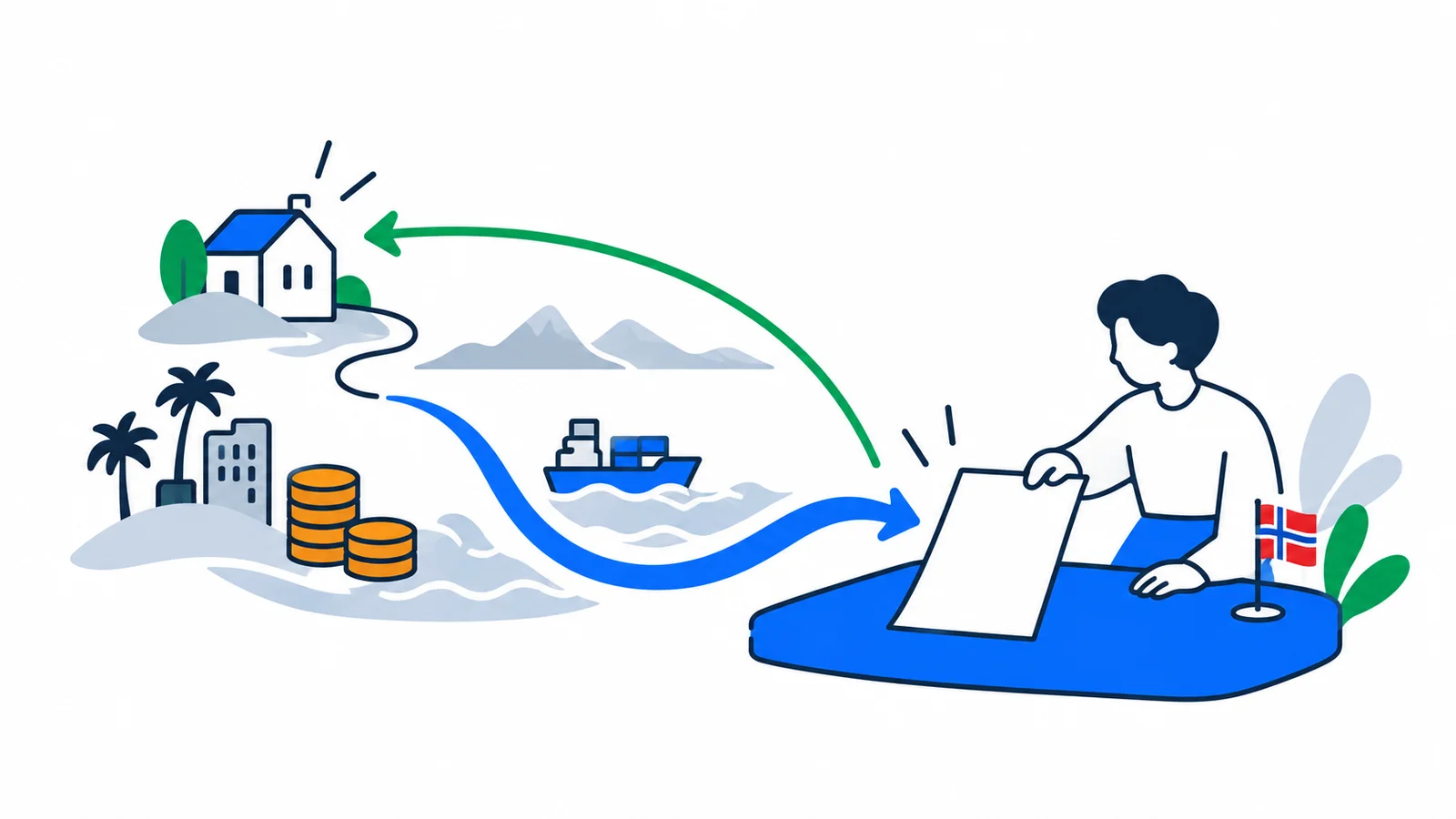
Keep three questions separate: Are you running a business? How should the income be taxed? Must the business register for VAT? The same monetary amount does not answer all three.
How do you use the figures in your assessment?
List income and costs separately. A large amount in your bank account tells you little if you do not know what it cost to earn it.
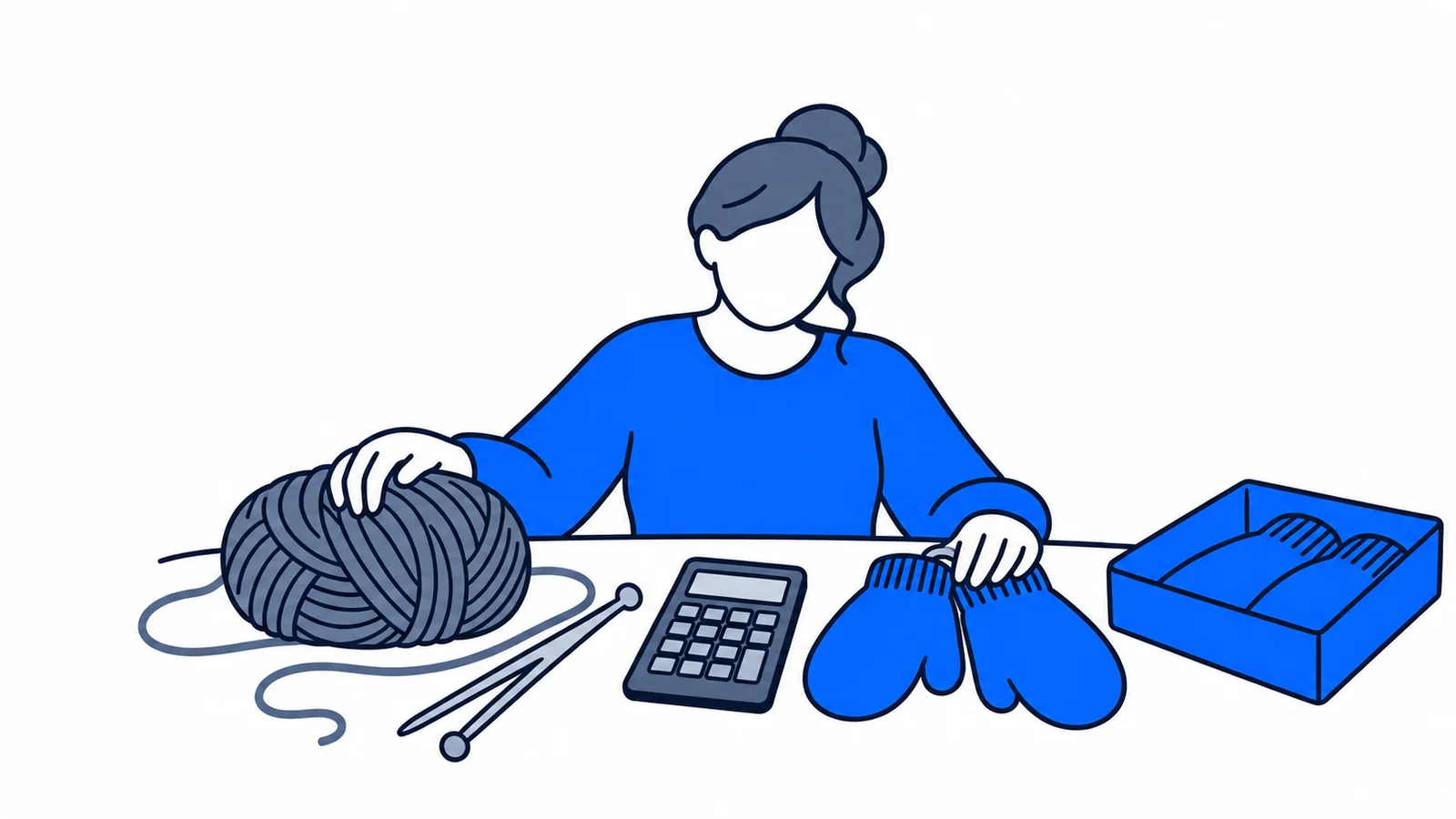
Here is a fictional calculation example: You sell products for NOK 30,000. In your simple overview, costs are NOK 22,000. The difference is NOK 8,000.
The example only shows the difference between sales and costs. It does not decide whether the activity is a hobby or business, and it does not calculate your tax. You must still consider all the criteria and which costs actually belong to the activity.
You could use two columns: “This has happened” and “This is what I expect”. An offer from a potential customer is not the same as a completed sale. A planned expense is not evidence that you have already paid it either.
Update the overview when you get new agreements or change prices. It will then be easier to explain developments when asking for guidance.
Is income always tax-free if you are not running a business?
No. Income from a genuine hobby is generally tax-free, but other income from work may be taxable even if you do not run a business. Calling paid work a hobby does not make it tax-free.
Skatteetaten’s page on small jobs and services distinguishes several types of income. For other small jobs, the starting point is that you pay tax when income exceeds expenses. Certain small jobs have specific exemptions with their own conditions.
For example, a freelancer can carry out individual assignments and pay tax in the same way as an employee. Altinn explains the term freelancer. This is a different question from whether a leisure activity is a hobby.
Check the rules that fit the actual income. Do not use a monetary exemption for work in private homes as a general threshold for everything you sell or do.
What records should you keep?
Keep information on income and costs from the start. An organised overview makes it easier to assess the activity and explain changes later.
Collect, among other things:
- the date, amount and description of sales or assignments
- receipts for materials and other expenses
- agreements showing who is responsible for delivery
- information about how often you work and your plans
- an explanation of how you assessed the four criteria
Do not look only at payments into your bank account. For business activity on social media, sponsored products and other benefits with financial value can also be income. Skatteetaten describes this for social media activity.
A hobby does not entitle you to deduct its costs or losses as business expenses. Separate private purchases from business expenses. Ask for help if the same equipment is used for both.
What should you do if the activity grows or you are unsure?
Reassess the activity when its scale, income or plans change. A hobby can develop into a business. The assessment you made when starting may no longer fit after several years of regular assignments.
If you run a business, you must investigate obligations concerning registration, bookkeeping and the tax return for business owners. Altinn’s guidance describes the transition. Do not register a sole proprietorship merely to deduct costs for a hobby that does not meet the criteria.
When contacting Skatteetaten, describe what you do, who pays, income, costs and future plans. Ask both about the activity’s classification and how to declare the specific income. Keep the guidance together with the information you submitted.
SamfunnPrep’s practical tools can help you navigate Norwegian services and terms. For the tax assessment itself, use Skatteetaten’s guidance and facts about your own activity.