
Ethics is about morality: how we should act and behave. Ethical awareness means weighing different considerations before you choose, for yourself, other people and society.
What does “ethics” mean? Origin and core meaning
The word ethics comes through Latin from the Greek word ethos. Store norske leksikon explains it as custom, character and personality. In social studies the main point is simple: ethics is about morality, about how people should act and behave.
It helps to distinguish ethics from morality. Morality is the norms and judgements we live by. Ethics is reflection on morality: why something is right, who is affected, and which values are at stake.
Ethics exists in every society, but norms can vary. Respect may mean being quiet in one setting and asking questions in another. So ethics is not only a fixed answer; it is understanding the situation.
For the test, remember: ethos = custom, character and personality. Good ethics is closely connected to source criticism and critical thinking.
What is ethical awareness?
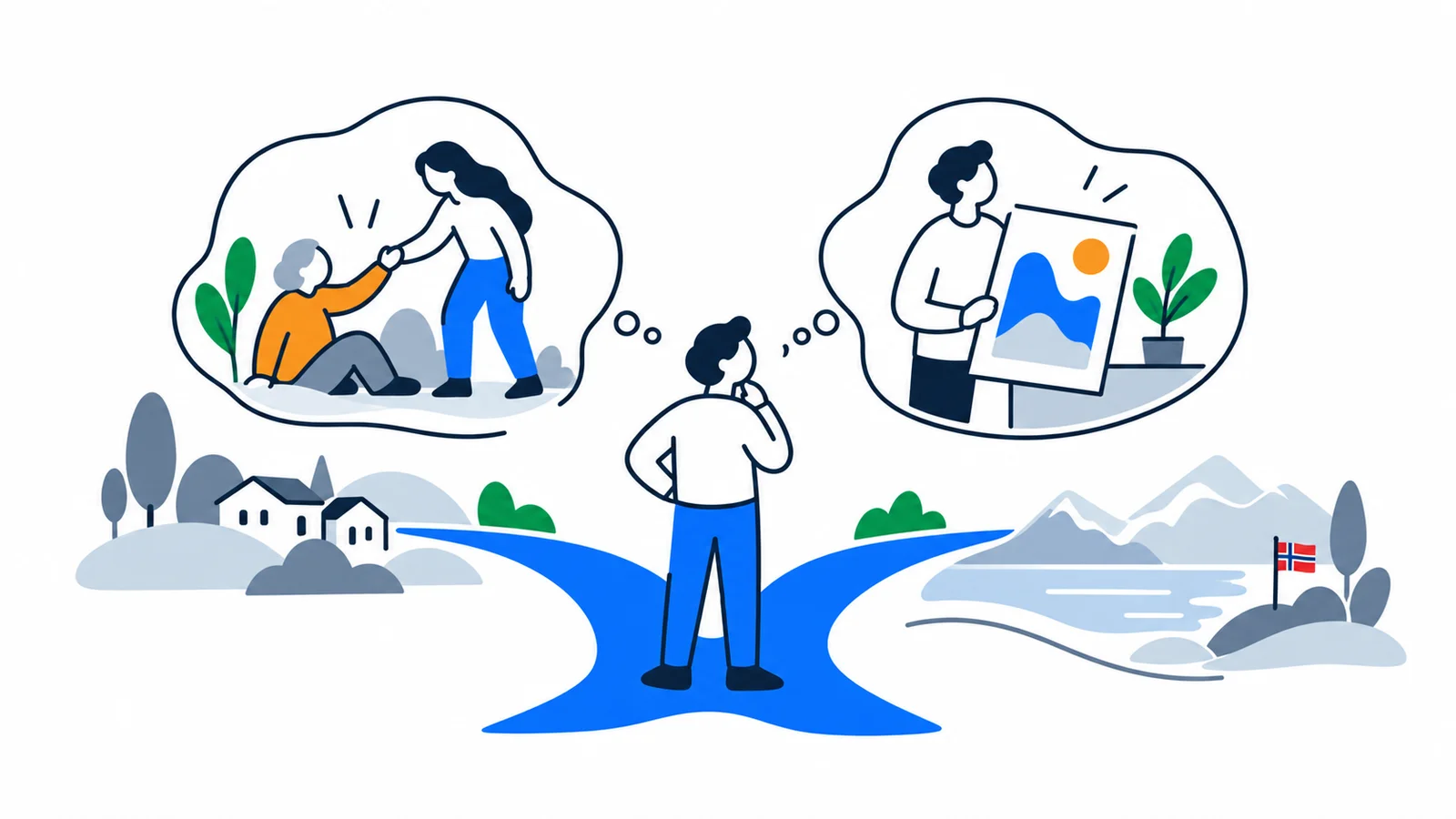
Ethical awareness means balancing different considerations so you can make better decisions and assess your choices. Samfunnskunnskap.no uses three levels: what is right for society, for people around you and for yourself.
Udir describes ethical awareness as weighing different considerations against each other. It is needed to be a reflective and responsible person. You may not always find a perfect answer, but you try to see more than one side.
You can train ethical awareness. You train it when you pause before sharing a picture, ask whether a decision is fair, or listen to someone affected by your choice.
Ask three questions before acting:
- Who is affected by this?
- What can go wrong, also for others?
- Is there a rule, right or value I should respect?
Ethics in everyday life: practical examples
Ethics is not only about dramatic dilemmas. It appears in everyday choices: what you say to a colleague, how you meet disagreement, whether you take credit for others' work, and what you publish online.
Empathy is a practical ethical tool. When you try to understand how an action feels to others, it becomes easier to judge whether it is right.
Thinking about consequences is also important. NDLA explains consequential ethics as judging actions by their results. You can ask: which choice causes least harm and most benefit?
Ethics is also about duties and principles. Some norms should be followed even when breaking them is convenient: do not lie, steal, discriminate or misuse trust. In Norway, ethical behaviour is expected in school, work, volunteering and digital communities.
Digital ethics and copyright
Digital ethics is how we behave when using phones, the internet, social media, artificial intelligence and digital services. It concerns respect for people and for work created by others.
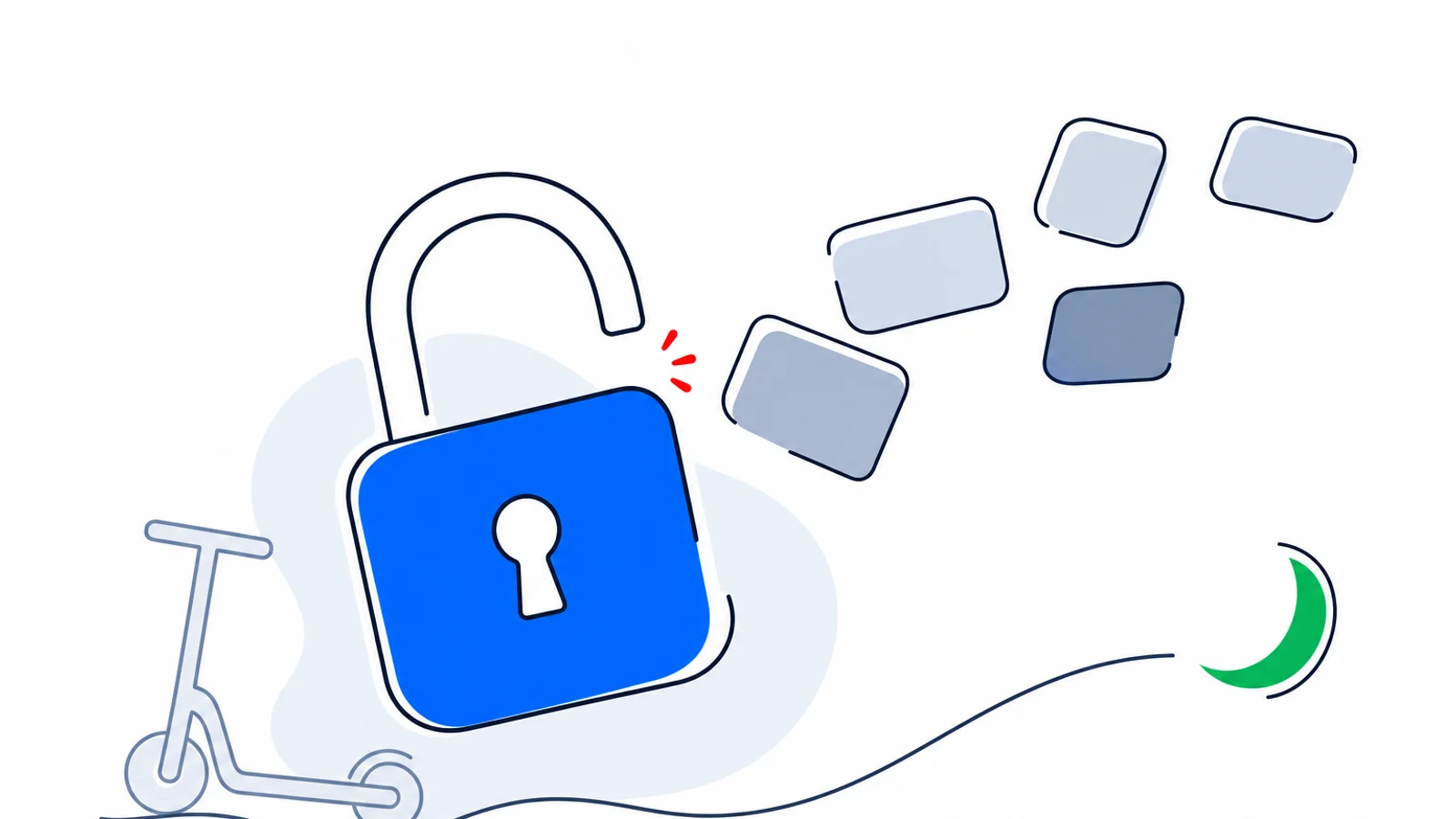
Samfunnskunnskap.no states clearly that if we use other people's texts, images, music or similar material in our own productions, we must always state who owns the copyright.
The Norwegian Copyright Act gives creators rights to their works. Lovdata shows that the Act of 15 June 2018 remains the central Norwegian copyright law, last amended on 23 December 2024. The creator has rights over the work and a right to be named according to good practice when possible.
Common mistakes include copying an online image without a source, using music in a video without a licence, or pasting large parts of a text as your own. Quotation can be legal when it follows good practice and is limited, but quotation is not free copying.
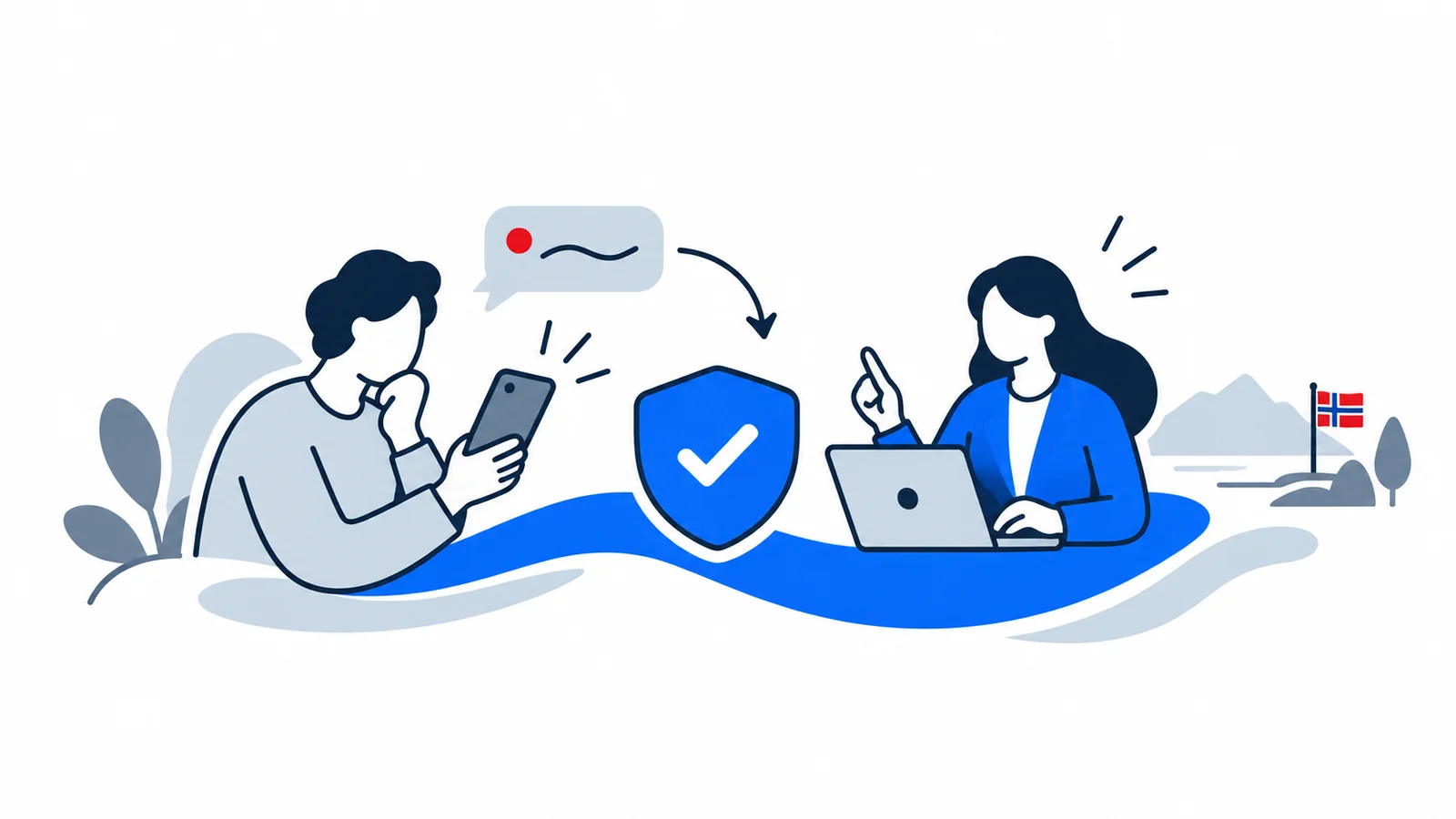
Ethics and privacy often meet online. Having a photo on your phone does not mean you should publish it. Ask first, consider the consequences and respect privacy.
Ethics and shared Norwegian values
Shared Norwegian values such as equality, honesty, trust, respect and responsibility have an ethical side. They concern how people can live together when many do not know each other personally.
Trust is especially important in Norway. People often expect agreements to be kept, public welfare schemes not to be misused, and serious wrongdoing to be reported. At work, it may be an ethical duty to report danger, harassment or injustice.
Disagreement is normal, but it should be handled with facts and respect. Read more about Norwegian values and unwritten rules.
Freedom of expression is a good example. You may have the right to say something, but that does not always mean it is wise or ethical to say it that way. Ethics is linked to freedom of expression in Norway.
How to develop your ethical awareness
Ethical awareness grows through experience, reflection and conversation. You become more confident when you practise explaining why a choice is right, not only what you want.
Three steps help:
- Stop and ask: what is right here?
- Think about who is affected, and how.
- Ask someone you trust when the choice is difficult.
For the social studies test, know the definitions and use them in examples: ethics = morality and how we should act. Ethical awareness = balancing considerations. Copyright = state who owns material when you use others' texts, images or music.
Outside the test, the larger goal is to make choices you can explain, even when no one checks you.