
Pharmacies and prescriptions in Norway are about health, trust and correct use of public services. For the Social Studies test, the main point is simple: the doctor assesses the need for a prescription, the pharmacy dispenses the medicine and gives guidance, and the state may cover part of the cost when the conditions for a blue prescription are met. As a patient, you should know where the prescription is, whom to ask, what you pay, and why you should never use medicines uncritically.
The role of the pharmacy
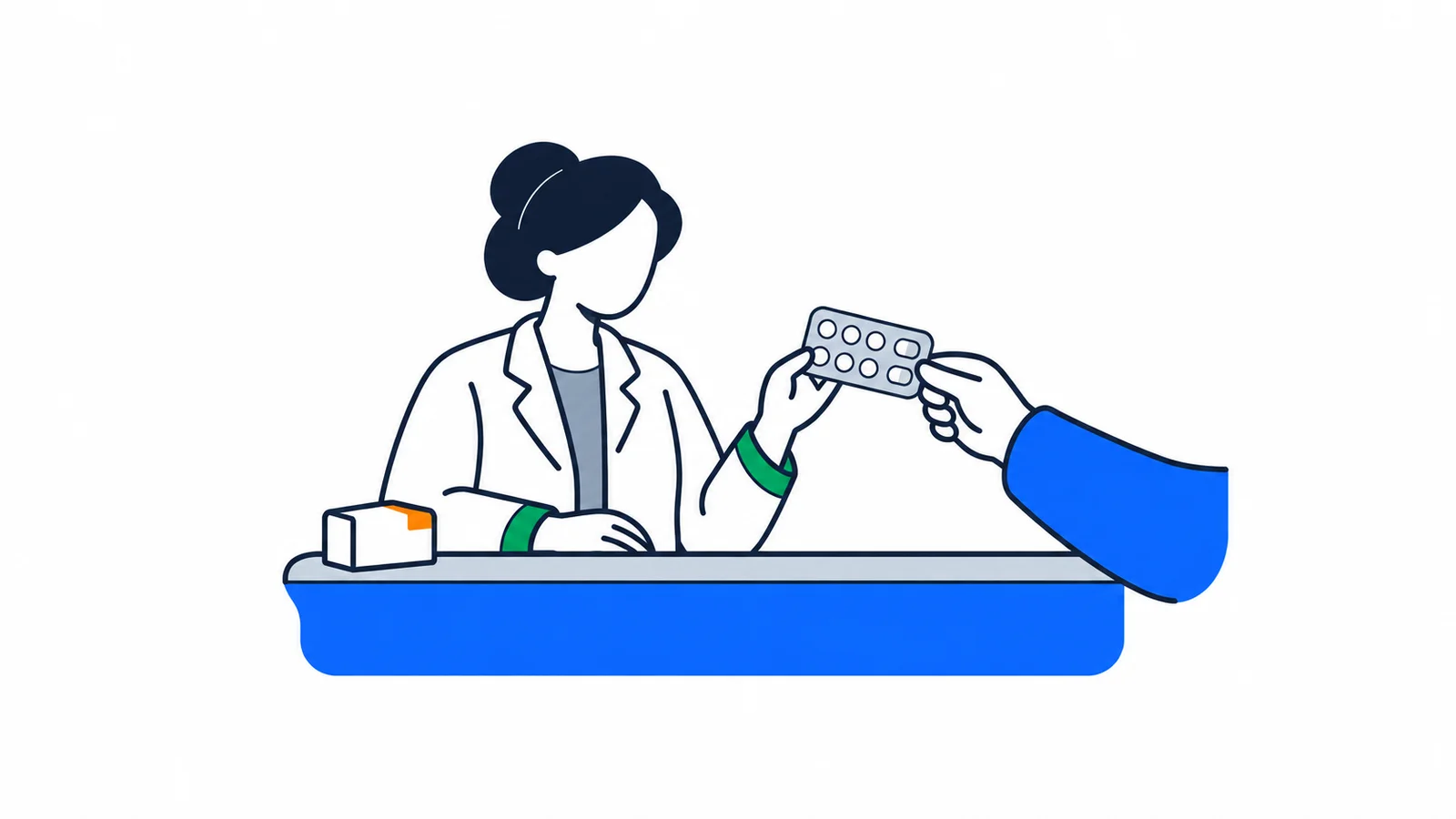
A pharmacy is part of the health service, not just an ordinary shop. There you meet pharmacists and pharmacy technicians who can explain dosage, method of use, side effects, interactions, storage and the difference between prescription medicines and over-the-counter medicines. The pharmacy checks the prescription before dispensing and must help ensure that the right person receives the right medicine with the right guidance.
You can buy some over-the-counter medicines in shops, but that does not mean they are harmless. Ask a pharmacy or doctor if you use regular medicines, are pregnant, breastfeed, have a chronic illness, buy medicine for a child, or are unsure about dose and duration. Old or unused medicines should be returned to a pharmacy, not thrown in the rubbish or toilet.
E-prescription and collecting medicines
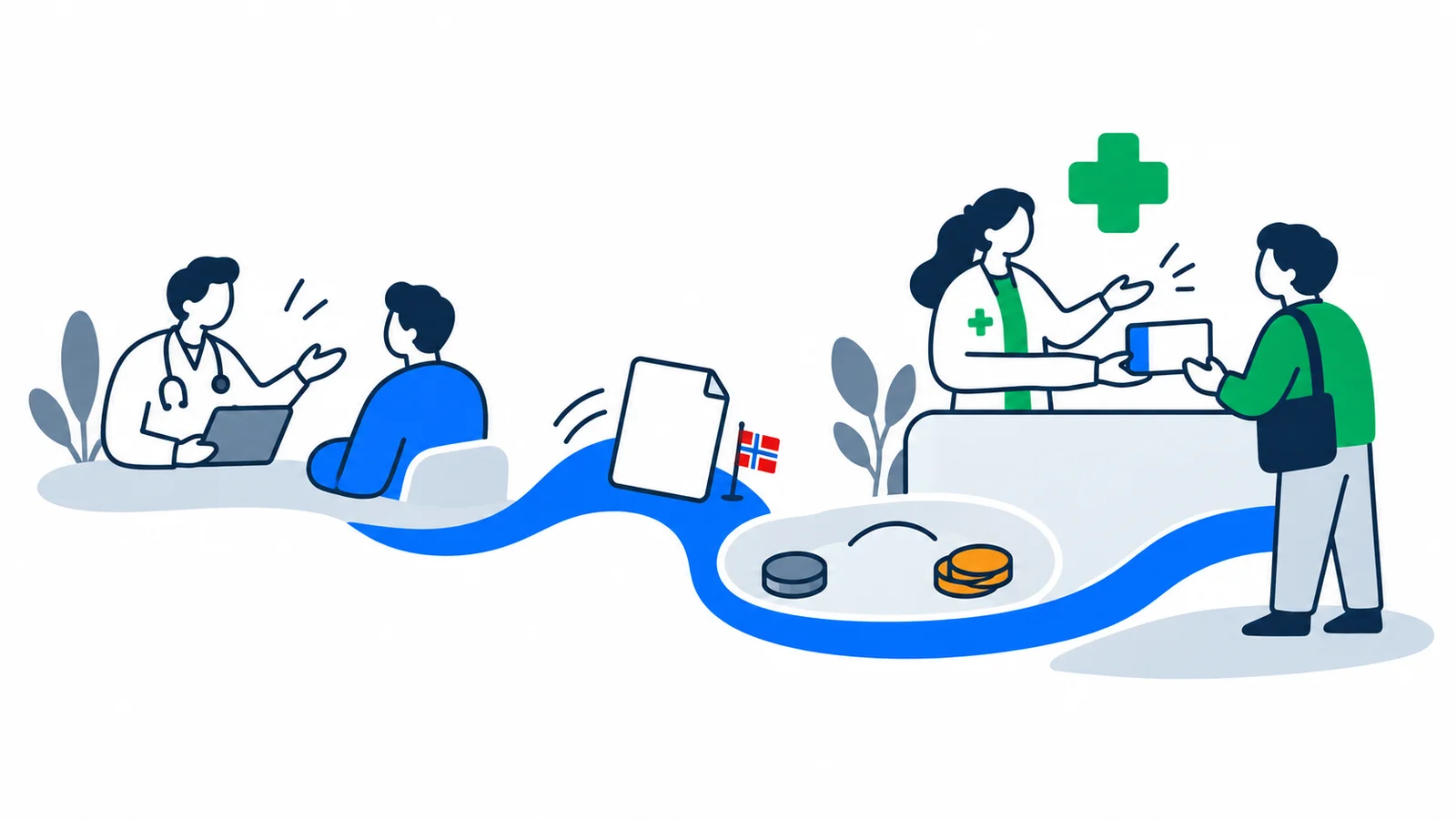
Most prescriptions in Norway are electronic. When a doctor writes an e-prescription, the prescription is stored digitally and you can collect the medicine at any pharmacy or approved Norwegian online pharmacy. You need valid identification. On Helsenorge you can log in to see active prescriptions and ask to renew prescriptions you have had before. If you need a new medicine, your GP or another doctor must assess you first.
The GP does not automatically decide that a prescription should be renewed. The doctor assesses whether you still need the medicine, whether the dose or treatment should be changed, and whether you need a control appointment. For some medicines, especially addictive medicines or strong painkillers, the rules and checks may be stricter. The GP also cannot renew an H-prescription from a hospital. Then you must contact the place that started the treatment.
You can collect medicines for other people, but usually you must have authorisation and a copy of their identification. Parents can collect medicines for their own children under 16. On Helsenorge, adults can give digital authorisation to other adults. Young people gradually get more privacy, and parents normally lose access to prescriptions when the young person turns 16.
White prescription, blue prescription and H-prescription
A white prescription usually means that you pay for the medicine yourself, possibly with ordinary price regulation. A blue prescription is used when the National Insurance Scheme covers part of the expenses for medicines, medical consumables or nutritional products for specific diseases and conditions. The doctor assesses whether the conditions are met. Some medicines have pre-approved reimbursement, while others require the doctor to apply to Helfo on your behalf.
From 1 January 2026, the main rule for a blue prescription is that you pay a 60 percent co-payment of the total amount for the goods at each dispensing, but no more than NOK 400 per dispensing. You can normally receive up to three months of use at a time. The co-payment counts towards the exemption card threshold. If you have an exemption card, are under 16, or receive the minimum pension, you do not pay a co-payment on a blue prescription.
An H-prescription applies to certain medicines where the hospital or specialist health service is responsible for treatment and financing. You can collect H-prescription medicines at a pharmacy, but the prescription is renewed by the hospital or treatment centre, not by the GP. This shows an important rule in the Norwegian health system: the service with medical responsibility for the treatment must also follow it up.
Medicine substitution at the pharmacy
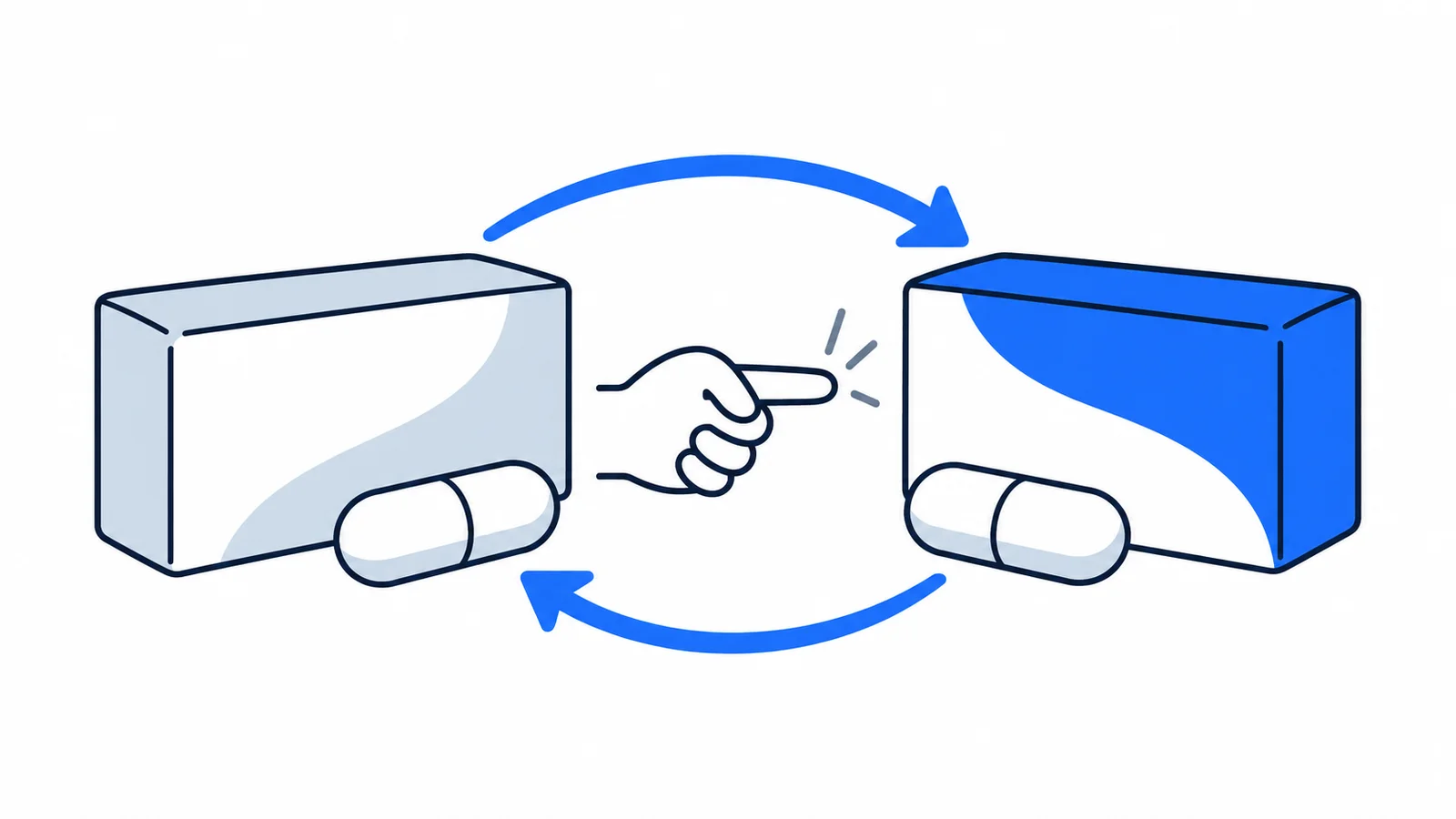
The pharmacy can offer a different brand name than the one written by the doctor if DMP has assessed the medicines as safe and medically equivalent. They must have the same active substance, the same strength, the same or equivalent pharmaceutical form and the same effect. The aim is that patients and the National Insurance Scheme do not pay more than necessary.
You may say that you want a particular brand, but then you often have to pay the price difference yourself. The doctor can refuse substitution if there are strong medical reasons, for example a serious allergy or the need for very specific equipment. Ask the pharmacist if the package looks different from before, so that you do not take a double dose because of a misunderstanding.
When to ask the pharmacy and when to ask the GP
The pharmacy is the right place for practical questions about how to take the medicine, what time of day it should be taken, whether it should be taken with food, how to use an inhaler, eye drops or injection pen, and what to do about missed doses. The pharmacy can also advise on over-the-counter medicines, herbal remedies, travel medicines and whether a combination may be unfortunate.
The GP should be contacted when you need a diagnosis, a new prescription, a change in treatment, monitoring of a chronic illness, blood tests, sick leave, severe pain, serious symptoms, side effects that worry you, or when the medicine does not work as expected. Do not suddenly stop regular medicines without talking to a doctor. For some medicines, abrupt stopping can cause unpleasant or dangerous reactions.
If you use several medicines, you should have an updated medicine list. Ask your GP to explain why and how each medicine is used, and show the list to doctors, dentists, hospitals and pharmacies. Helsenorge recommends regular reviews, especially for older people and people who use several medicines at the same time. Felleskatalogen can be used to find digital package leaflets, but it does not replace individual assessment by health personnel.
A good Norwegian rule is to be open about everything you use. Tell the doctor and the pharmacy about over-the-counter painkillers, allergy medicines, herbal remedies, vitamins and medicines you have received in another country. Such information can be crucial, because two medicines that are safe separately may become unfortunate together. Use the same pharmacy when practical, as this makes it easier to discover double use or unfortunate combinations.
Also pay close attention to the name, strength and dosage when the package changes appearance. Many errors happen because the patient thinks a new brand name is an extra medicine, or because two packages with the same active substance are used at the same time. Check the label the pharmacy puts on the package, follow the dosage from the doctor, and ask if the text says something different from what you expected. This is especially important for blood thinners, insulin, epilepsy medicine, heart medicine and medicines taken as needed.
Online pharmacies, import and travel
You can order prescription and over-the-counter medicines from registered Norwegian online pharmacies. DMP keeps a list of approved online pharmacies, and the advice is clear: use Norwegian registered online pharmacies. Foreign websites may sell fake, illegal or wrongly dosed products, even when the website looks professional.
Medicines from abroad sent by post to Norway are generally not allowed, whether prescription-only or over-the-counter. Even if you have a Norwegian prescription, it does not give you the right to buy a corresponding medicine from a foreign online pharmacy. Parcels may be stopped by customs, and illegal import can have consequences.
When travelling, medicines should be kept in the original package, preferably together with a prescription, medicine list or doctor statement. For some addictive medicines you may need a Schengen certificate. Plan well in advance if you use life-saving medicines, insulin, syringes or medicines that must be kept cold.
Important for the test
Remember the connection: the GP assesses and writes prescriptions, Helsenorge gives a digital overview, the pharmacy dispenses and guides, Helfo handles reimbursement, and DMP assesses medicines, substitution and safe online pharmacies. Correct medicine use in Norway is based on professional assessments, co-payment with an exemption card system, privacy and the responsibility to ask when you are unsure.