
If you sent Vipps money to the wrong person, open your payment history and check the recipient and amount. Ask the recipient to repay you, and contact Vipps with questions or disagreements. A payment you approved cannot simply be revoked. Repayment is not guaranteed.
Check what you actually approved
Find the specific payment before asking for help. Note the amount, date, recipient and payment reference, and check whether you sent more than once.
Vipps is a payment app provided by Vipps MobilePay AS. An authorised payment is a payment you consented to. This is different from someone using your payment method without permission.
SamfunnPrep’s guide to Vipps in Norway explains everyday use. Here we cover a private payment you personally sent to the wrong person or phone number.
Vipps explains how to find your payment history under “Betalinger”. You can filter by people or use search. The guidance was checked on 4 October 2026.
Look at the details in the app itself. Do not rely only on memory, a message or someone else’s screenshot. Keep documentation of the payment you are following up.
Can you stop a Vipps payment to the wrong person?
Once approved, a payment cannot be revoked, according to Vipps’s Norwegian private user terms, section 19.3. The terms also say that a refund may be possible in certain circumstances. This does not mean an automatic right to a refund for your own typing mistake.
The rule was checked on 4 October 2026 in version 1.4, dated 30 September 2026. We use the Norwegian terms for private users here.
Money not appearing in the recipient’s bank account yet does not mean you can freely stop the payment. The terms distinguish between an approved payment appearing in the app and its transfer to the bank account.
If the recipient does not have Vipps, Vipps’s Norwegian guidance says the payment cannot go through. The app tells you. This differs from a completed payment to the wrong Vipps user.
Ask the recipient to repay you
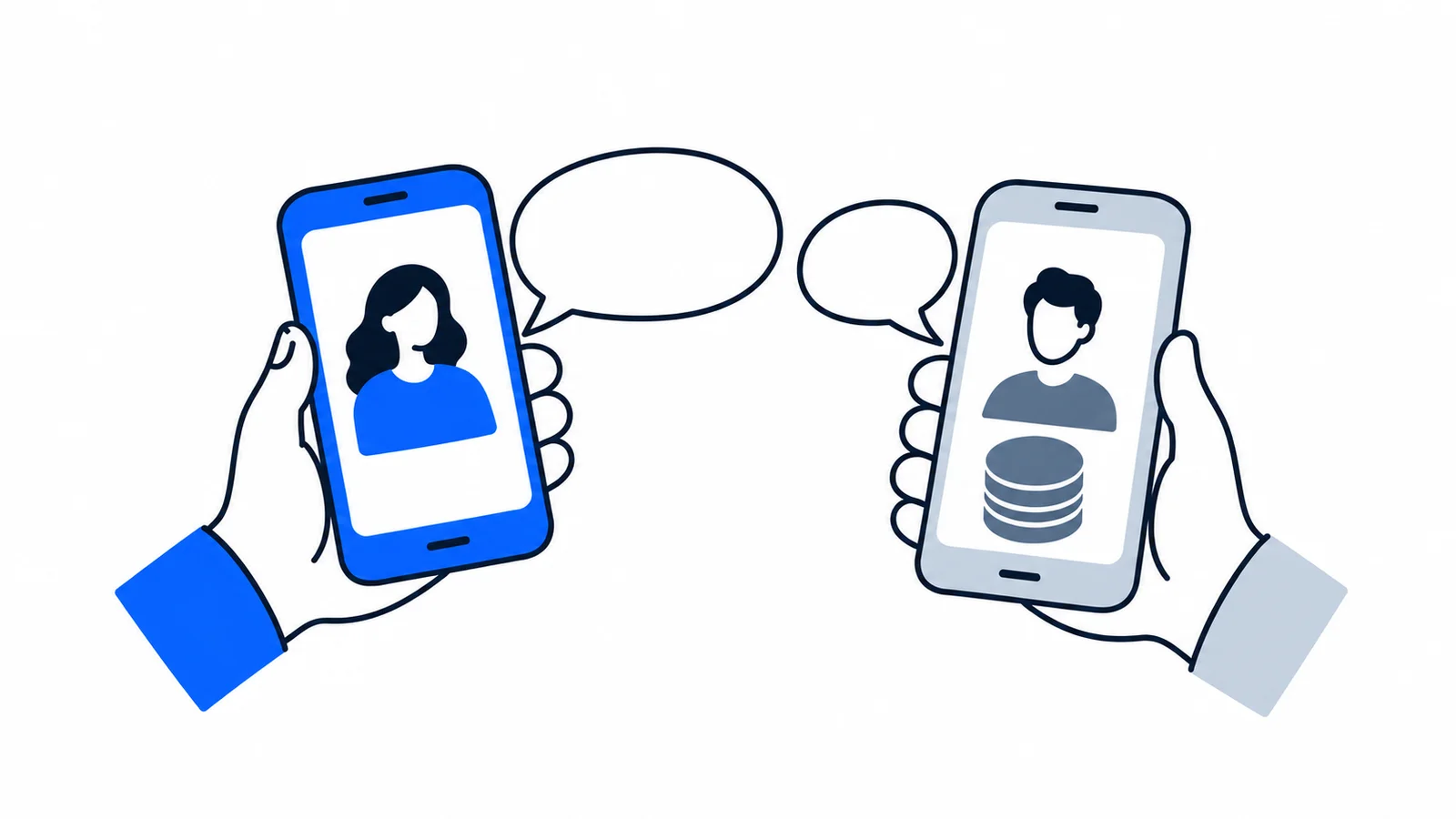
A practical first step is to explain the mistake calmly and ask the recorded recipient to repay you. This is a suggested way to follow up, not a promise that the person will pay.
Use the payment details. State the amount and date, and explain who the payment was intended for without sharing unnecessary personal information.
You could write: “Hello. I sent [amount] to you by mistake on [date]. The payment was intended for someone else. Could you check it in Vipps and contact me about repayment?”
Vipps has a feature for requesting money. You will find “Be om” on the menu bar. Such a request still requires the recipient to pay. It does not take money back from a payment already made.
Check the amount before sending the request, and keep your message and the response. Do not send further small payments with messages to try to make contact. That creates more transactions to sort out.
What can Vipps or your bank help with?
Contact Vipps to clarify the transaction and further follow-up. Explain whether you chose the wrong recipient yourself or whether the payment details differ from what you approved.
Section 14 of the terms distinguishes your own error in the recipient, phone number or amount from an error Vipps makes when carrying out the payment. Do not assume Vipps automatically covers a loss caused by your own mistake.
Have these details ready when asking for help:
- Payment date and amount.
- The recipient shown in the app.
- The transaction reference.
- What you intended to do and what you actually approved.
- Contact with the recipient and any replies.
Use Vipps’s official contact channels. If you ask your bank, give the same payment reference and explanation. A person-to-person payment does not automatically become a card purchase with purchase protection just because a card is registered in the app.
If the recipient does not reply or refuses
Keep your follow-up and ask Vipps what guidance they can provide in your particular case. No reply does not mean your money has been returned or that Vipps has opened a refund case.
Write a short timeline with the payment, first message and later replies. Separate what you can document from what you assume. Request a written response from customer service if you need to pursue the matter further.
If you disagree with Vipps’s handling, use the complaints and payment dispute page. The terms also describe Finansklagenemnda as a possible route for an unresolved dispute with Vipps.
Finansklagenemnda handles financial disputes. This complaint route concerns a disagreement with the service provider. It is not an automatic debt collection arrangement against a private recipient. Seek specific guidance if a private money claim remains unresolved.
The wrong recipient is not always the same issue as fraud
Describe how the payment happened. Your own mistake, an unknown payment and a payment made under pressure may need different follow-up.
| Situation | First follow-up |
|---|---|
| You chose the wrong person and approved the payment yourself | Document the payment, ask the recipient to repay you and clarify with Vipps |
| You find a payment you did not approve | Notify Vipps promptly and ask for help blocking access |
| Someone pressured or tricked you into paying | Contact Vipps and your bank promptly and explain what happened |
Vipps asks you to report payments you did not approve, participate in or carry out as soon as possible. For possible misuse of a card or BankID, they also ask you to contact your bank. Do not choose this explanation just to get your own mistake handled faster.
SamfunnPrep’s guide to fraud losses and claims against your bank explains other payment problems. Say exactly what you did and what others did; do not assume the outcome before the case is assessed.
Have you received money by mistake yourself?
Check the incoming payment in your own app and notify Vipps. Section 4.5 of the terms says you must notify them as soon as possible if you see that someone transferred money to you by mistake.
A message from a stranger alone is not proof of a mistaken payment. Compare the name, amount and date with your actual history. Ask Vipps for guidance if something does not match.
Do not send money on to a third person simply because a message asks you to. Clarify the original payment and who any repayment concerns. Keep the response and documentation.
How to avoid sending to the wrong person next time
Check the recipient’s name, phone number and amount before approving. Do this even when the person is among previous contacts.
For a larger payment, you can ask the intended recipient to confirm which number to use. Read the app’s details and stop before approval if the name differs from what you expect.
After paying, check the confirmation. Keep relevant details until the settlement is clear. Do not delete your profile to try to recover a mistaken payment.
Use SamfunnPrep’s first-week checklist to organise banking and digital services. When a mistake occurs, a clearly identified transaction, a calm explanation and documented follow-up are the best starting point.