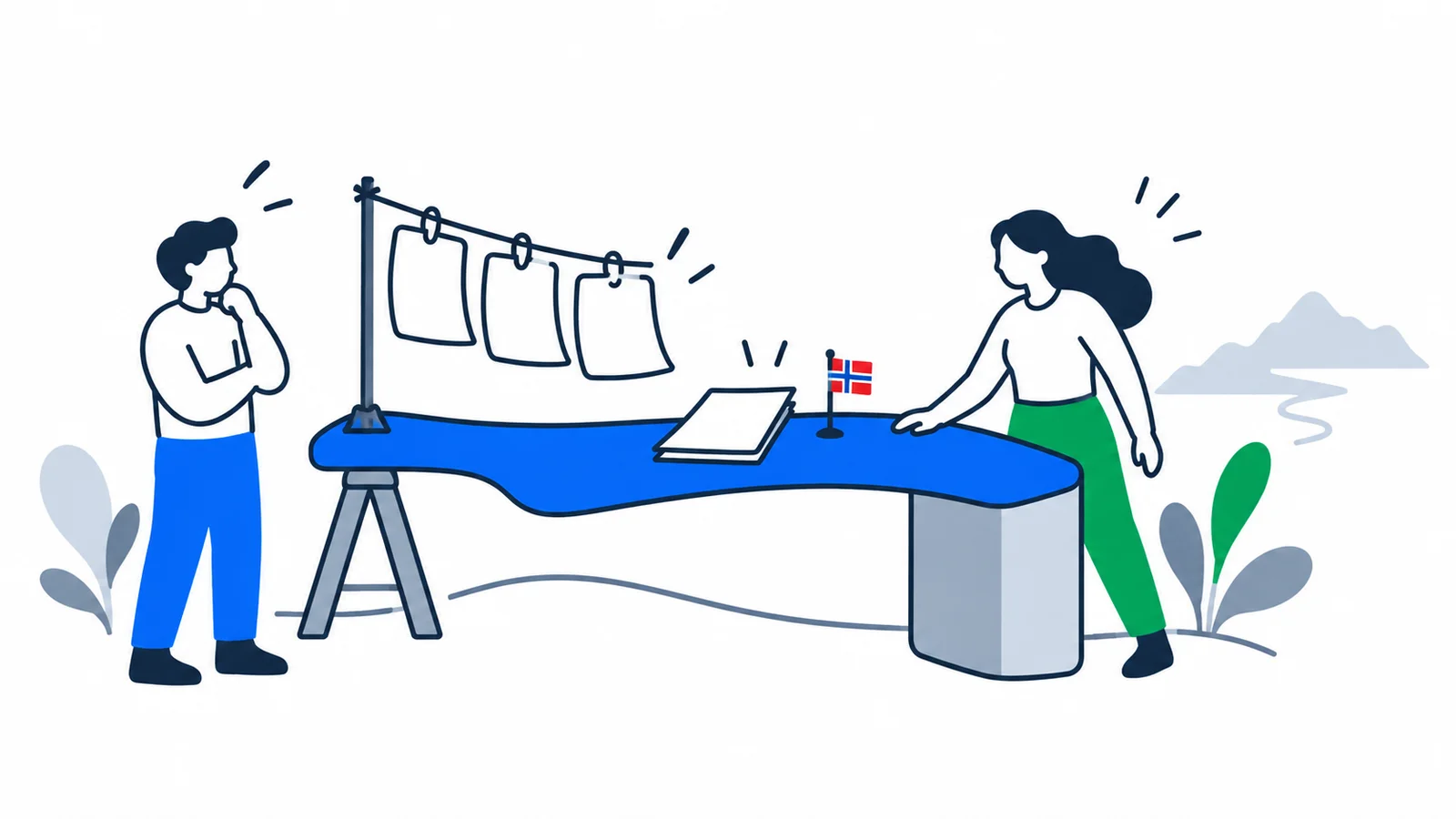

Safety Representative and Work Environment go together. The Work Environment Act gives you the right to safe work, and a safety representative watches over your safety. From January 1, 2024, companies with 5 or more employees must have a safety representative.
Safety Representative and Work Environment: What Does the Law Say?
The law says you have the right to safe work. The rules are in the Work Environment Act (the law on work environment). It states that the work environment must be "completely safe." This applies to both the physical (machines, noise, chemicals, heavy lifting) and the psychosocial (stress, bullying, harassment, pressure). This is part of your employee rights in Norway.
Simply put, Safety Representative and Work Environment means this: the employer is responsible for making the workplace safe, and a safety representative is the employees' watchdog keeping track. This is often called OHS – Occupational Health and Safety. OHS is about finding hazards before anything goes wrong and fixing them.
Safety should not cost you your job. You can report hazards without being punished for it. This right applies to you even if you are new to the country, are hired temporarily, or speak little Norwegian. The law protects everyone who works in Norway.
What is a Safety Representative, and Must Your Workplace Have One?
A safety representative is an employee chosen by other employees to watch over the work environment. The safety representative is not the boss, but a colleague who advocates for safety.
The main rule is clear: almost all workplaces should have a safety representative. From January 1, 2024, the limit was lowered. Previously, companies with 10 or more employees had to have a safety representative. Now the requirement applies to companies with 5 or more employees. If the company has fewer than 5 employees, the parties can agree in writing on another arrangement. Arbeidstilsynet can still require a safety representative even in small companies.
The safety representative should, among other things:
- ensure that machines, tools and equipment are safe to use
- monitor that employees receive proper training and protective equipment
- raise matters about both physical and psychosocial work environment
- participate when the employer plans changes that affect safety
- inform the employer when something is hazardous
From 2024, the safety representative's work also applies to temporary workers and the psychosocial environment. The safety representative has the right to OHS training. The training takes place during working hours, and the employer pays for it.
A common task is the safety round: the safety representative walks around the workplace with the employer looking for hazards. Don't know who your safety representative is? Ask the employer – they are required to tell you.
Can a Safety Representative Stop Hazardous Work?
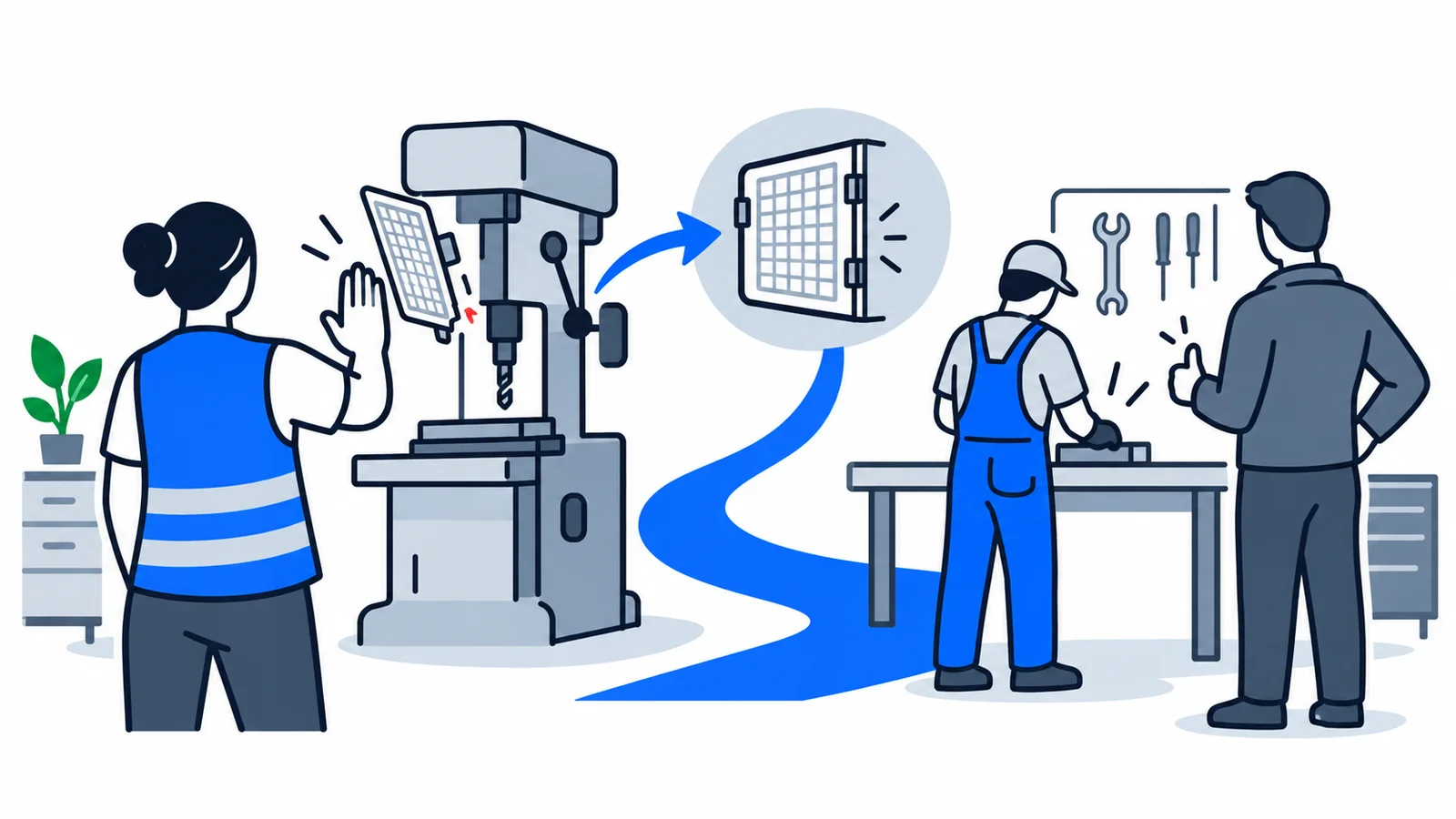
Yes. This is one of the strongest rules in the law. If the safety representative believes there is immediate danger to life or health, and the danger cannot be removed in another way, the safety representative can stop the work. The work stops until Arbeidstilsynet has assessed whether it can continue.
The safety representative is not liable for losses the company incurs when work is stopped in this way. An example: if scaffolding is missing a railing, the safety representative can stop work at height until the railing is in place.
This right is important in high-risk occupations, such as construction, cleaning and industry. Most accidents happen here, and many employees are immigrants. Knowing the rules can protect your health – and sometimes your life.
Work Environment Committee at Larger Workplaces
At larger workplaces there is a Work Environment Committee (WEC). It is a group with both employer and employees working together on OHS.
Companies that have at least 30 employees must have a WEC. In companies with 10 to 29 employees, a WEC should be established if either party asks for it. The committee has equal numbers from employer and employees. It handles plans, accidents, sick leave and measures for a better work environment. This way employees can participate and have a say in their own safety.
Your Right to Say No to Hazardous Work
You have the right to stop your own work if you believe you cannot continue without serious danger. You do not need to expose yourself to clear danger to keep your job.
You also have the right to report poor or hazardous conditions. This can include missing protective equipment, hazardous substances or heavy lifting. Reporting violations is called whistleblowing. The employer is not allowed to punish you for whistleblowing or raising such matters. You should not lose your job, receive less pay or be excluded because you spoke up.
Knowledge about work life is part of the curriculum for the Citizenship Test, and on SamfunnPrep you can practice on exactly this topic.
Remember that good rights start with a clear employment contract. Read more about what should be in an employment contract before you start a new job.
Where Do You Report If Something Is Hazardous?
Report as early as possible – then the hazard can be corrected before anyone is hurt. Follow this path, one step at a time:
- Talk to the safety representative. They know the rules and can take the matter further for you.
- Bring it up with the employer. The employer has a duty to correct hazards.
- Contact Arbeidstilsynet. If the hazard is not corrected, you can report to Arbeidstilsynet, which oversees the work environment in Norway. You can report anonymously.
In some occupations you also need approval before you can work. On construction sites, for example, you must have an OHS Card (Construction Card). The card shows who you are and who you work for. If you work from home, special rules apply for home office and the Work Environment Act. If you are unsure about the rules, you can always ask the safety representative or Arbeidstilsynet.
Knowing these rules makes you safer at work and better prepared for the test. SamfunnPrep explains work life in simple Norwegian, step by step.
Ready to practice? Try SamfunnPrep for free.