
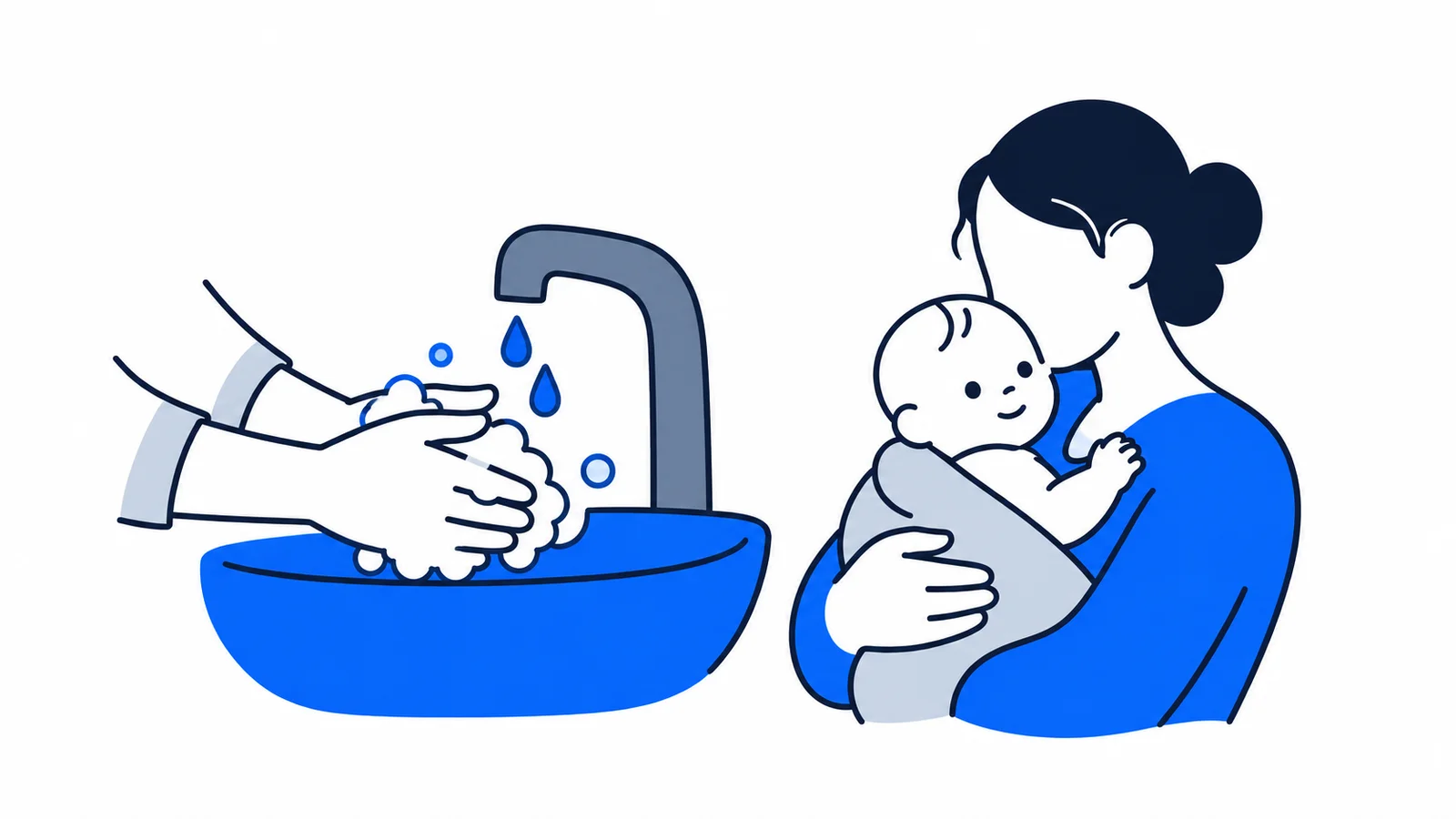

RS virus circulates in autumn and winter and can cause serious illness in babies. Contact a doctor promptly for difficult breathing or problems eating and drinking. Pregnant women can discuss vaccination with a doctor. Recommendation, price and availability are separate questions.
What is RS virus, and who is most at risk?
RS virus can cause respiratory tract infection. Many people get a mild cold, but the smallest children may develop more serious breathing problems.
RS stands for respiratory syncytial virus, often called RSV. Folkehelseinstituttet (FHI), the government agency providing public-health knowledge, supplied Helsenorge’s information about RS virus.
Infants have small airways. Mucus and inflammation can make breathing and feeding harder. RS virus is a common reason for infants to be admitted to hospital. This does not mean every baby with a cold needs admission.
The virus is relevant every autumn and winter. This guide was checked on 4 October 2026. Ordinary kindergarten absence rules are in SamfunnPrep’s guide to a sick child at kindergarten.
When must you contact a doctor promptly?
Contact a doctor promptly if your child uses a lot of effort to get air, breathes with difficulty or struggles to eat and drink. Also contact a doctor if you are worried about your child.
Helsenorge gives this advice in the bronchiolitis guide. Bronchiolitis is an infection of the small airways, often caused by RS virus. It particularly affects small children.
You do not need to know which virus your child has before making contact. Describe breathing, food intake and how your child seems. Assessing symptoms is more important than finding the infection’s name yourself.
Contact your GP during opening hours. Call the out-of-hours medical service on 116 117 when help cannot wait and your GP is unavailable. Call 113 for an immediate threat to life, for example if your child is unconscious. Follow the advice given by phone.
Helsenorge’s out-of-hours medical service guide explains the contact routes. Do not wait for a digital-message reply if your child needs prompt assessment.
What is useful to say when you call?
Describe what you see and answer the healthcare professional’s questions. Have your child’s age and symptoms ready, but call first if the situation is urgent.
A simple overview can help the conversation:
- your child’s age
- when the problems began
- whether breathing is difficult or your child uses a lot of effort
- whether your child can eat and drink
- whether your child is unusually lethargic or difficult to engage with
- known illness and medicines your child uses
This prepares you for the conversation; it is not a test deciding whether your child is seriously ill. You do not need to collect all information before calling. Say if Norwegian is difficult and ask for important instructions to be explained clearly.
You can write down what you are asked to do next. Ask whom to contact if your child gets worse. Do not assume one earlier assessment means you cannot call again.
What can you do to reduce infection?
Good hand and cough hygiene can reduce transmission. Newborns should avoid contact with sick people where possible.
The virus can spread between people and through touched surfaces. Make the advice practical at home: wash hands and ask visitors with respiratory symptoms to postpone visits. This is a practical way to protect a small child.
You can say: “The baby is small, so we will postpone your visit while you have a cold. We will agree on another day.” Explain the rule consistently to family and friends. Also ensure carers know the doctor’s and out-of-hours service’s contact information.
Hygiene does not guarantee protection from infection. A sick child is not evidence that the family did something wrong. Focus your energy on monitoring your child and getting help when needed.
Is there a vaccine or antibodies for the baby?
According to Helsenorge, there is no RS vaccine for children. Infants can be protected through vaccination of the mother during pregnancy or antibodies given after birth, but the options differ in availability.
Antibodies are a form of protection that is not the same as vaccinating the child. As of 4 October 2026, Helsenorge states that long-acting antibodies are not yet available in Norway. Vaccination for pregnant women is available.
| Option | Who receives it? | Information checked on 4 October 2026 |
|---|---|---|
| RS vaccine during pregnancy | Mother | Available, with prescription and self-payment |
| Long-acting antibodies | Child after birth | Not yet available in Norway |
| RS vaccine for children | Child | Helsenorge states that no such vaccine exists |
Do not interpret a recommendation to introduce a programme as a service you can already book. Ask the health service about current arrangements if you have read newer information. This guide promises no date for a future free service.
What should pregnant women clarify before vaccination?
Clarify timing, prescription and total price with a doctor or midwife. FHI recommends the RS vaccine from pregnancy week 24, according to information checked on 4 October 2026.
There should be at least two weeks between a pertussis-containing vaccine and the RS vaccine. The pertussis vaccine is offered at the pregnancy appointment in week 24. Plan the vaccines with the health service instead of assuming everything should be given on the same day.
Helsenorge’s pregnancy vaccination advice states that the RS vaccine requires a doctor’s prescription. It is not part of publicly funded vaccination programmes. You must pay yourself. Ask about both the vaccine and administration cost.
Bring dates of earlier vaccines when clarifying the plan. Mention earlier reactions or circumstances healthcare professionals should assess. For ordinary follow-up, see the guide to free pregnancy care in Norway.
How do you prepare for the first winter?
Clarify contact routes and a vaccination plan if relevant. Do so before anyone in the family becomes ill, avoiding an information search in a difficult situation.
SamfunnPrep explains how Norwegian health services work. Find more practical aids in the tools overview. For urgent symptoms, contact the health service directly.