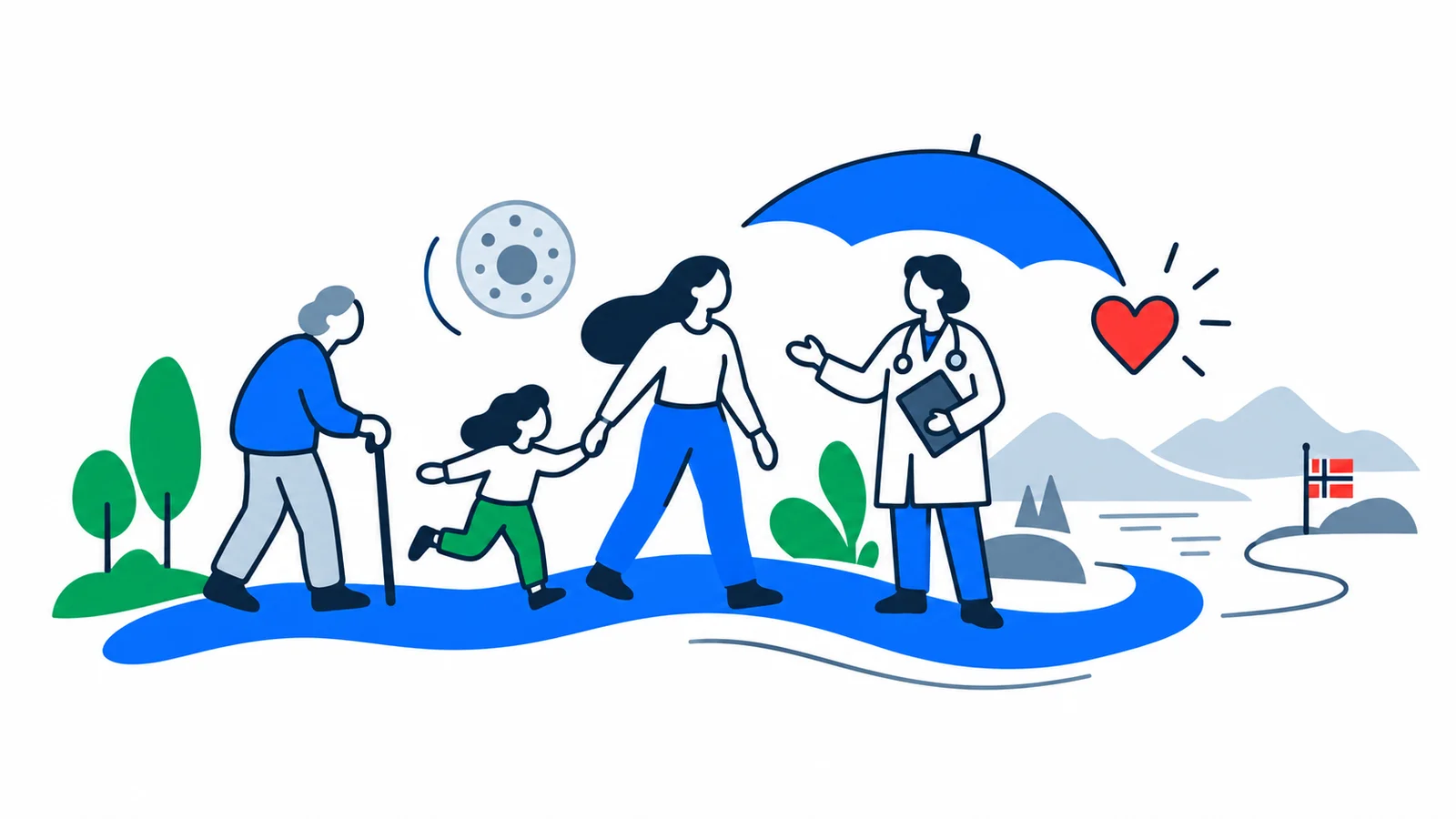

Public health is about the health of the whole population, not just about individual people who are ill. In Norway, that means looking at common diseases, causes of death, vaccination, lifestyle, mental health and how the health system is organised. The most important causes of death are not the same as the most common everyday illnesses, so it helps to separate disease burden, ordinary complaints and causes of death.
The main causes of death in Norway today
According to FHI, cancer, cardiovascular disease and dementia were the three largest causes of death in Norway in 2025. Cancer has been the leading cause of death since 2017. Cardiovascular disease remains one of the biggest causes of death overall, and dementia has become increasingly important in an ageing population.
For the social studies test, the main point is simple: when you are asked about common causes of death in Norway, cancer and cardiovascular disease are usually the key answers. Tuberculosis and malnutrition are not common causes of death in Norway today. They were much more important in earlier times and can still be major problems in other parts of the world, but that is not the same as the situation in modern Norway.
Cardiovascular disease means diseases of the heart and blood vessels. That includes heart attack, stroke, heart failure and conditions that build up over time. Cancer is a large group of diseases where cells grow uncontrollably. Dementia affects memory, orientation and the ability to manage everyday life.
What are the most common diseases?
When you look at disease burden, not just deaths, non-communicable diseases dominate. In 2026, FHI says that the major non-communicable diseases such as cardiovascular disease, cancer, diabetes, COPD and dementia are the most important causes of illness in Norway. FHI also shows that a large share of the burden is about health loss while living, not only years lost to death.
That means many people live for a long time with illness or chronic problems. Common health challenges can include musculoskeletal problems, mental disorders, allergies, asthma, diabetes, COPD and neurological disease. These are not always immediately deadly, but they can affect work, school, sleep, family life and quality of life for many years.
It is also important to distinguish ordinary illness from infectious outbreaks. Conditions like flu, covid-19, sore throat or stomach infections can be common at certain times, but they do not explain the biggest long-term health challenges in the population. When public health is discussed at a broad level, the chronic and long-term conditions matter most.
Why does the picture look different than before?
Norway is now a high-income country with long life expectancy, high vaccine coverage and a public health system that catches many diseases earlier than before. That has changed the causes of death over time. In the past, infectious diseases, poor nutrition and difficult living conditions were much more important. Today, diseases that develop over time, often in old age, dominate.
FHI says 45,040 people died in Norway in 2025, about 800 more than the year before. At the same time, the figures show that the population is ageing. When more people live longer, total deaths increase, even while the health services also help many people live better and longer than before. Life expectancy in Norway was 83.2 years in 2025, with 84.9 years for women and 81.6 years for men.
This does not tell the whole story for any one person, but it shows that Norway has high life expectancy compared with many other countries. That is the result of many things: prevention, treatment, housing, education, work, diet, vaccines, road safety and social security.
What affects public health?
FHI points to several important risk factors for disease: smoking, unhealthy diet, overweight and obesity, physical inactivity and harmful alcohol use. Environmental factors such as air pollution also matter. This is useful to remember because public health is not only about hospitals and medicines. It is also about everyday choices and the way society is built.
That does not mean illness is always caused by lifestyle. Genetics, age, working conditions, stress, economy, housing and chance all play a role. But society can make healthy choices easier. That is why Norway has tobacco regulation, vaccination programmes, a regular GP system, child health clinics, screening programmes and a large public health service.
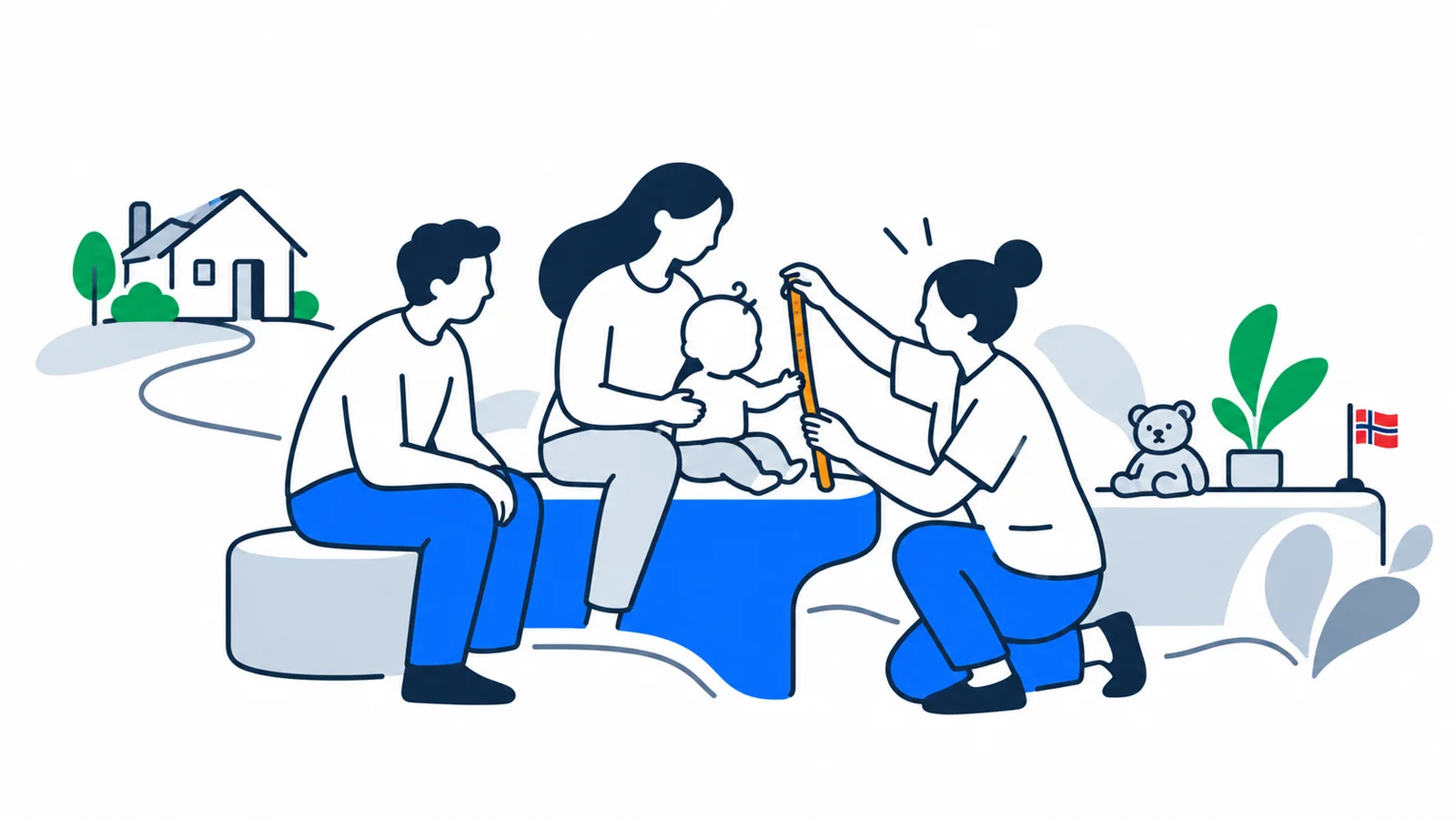
Children and young people also need protection. FHI reported that vaccination coverage among 2-year-olds was 92 percent in 2025. That shows that the childhood immunisation programme reaches most families. Vaccines protect against diseases that can cause serious complications, and they also protect people who cannot be vaccinated themselves.
Mental health and migration
Public health is not only about the body. Mental health matters too, especially for people who have moved to Norway. Many go through a psychological migration process in three phases.
The first phase is often hopeful and optimistic. The new country may mean safety, work, education or a better life for the children.
The second phase can be harder. Language, rules, money, climate, longing for family and loss of status can feel heavy. This is a normal response to a major life change, not a sign of weakness.
The third phase comes when many people gradually find more stability and belonging. They learn the language better, understand the system and build networks. Then they can combine values from their home country with life in Norway. The phases vary from person to person.
If you have long-term anxiety, sleep problems, low mood or grief that makes everyday life hard, take it seriously. A GP is often a good first step. In an emergency that threatens life or health, call 113. For other serious issues, a GP, emergency clinic or hospital may be the right entry point.
When should you seek help?
You should contact health services if you have chest pain, sudden weakness, facial droop, severe breathing problems, blood in your stool, a lump that does not go away, a persistent cough, high fever that will not settle, or clear mental health problems that last over time. Early help can make a major difference, especially for cancer, cardiovascular disease and mental health problems.
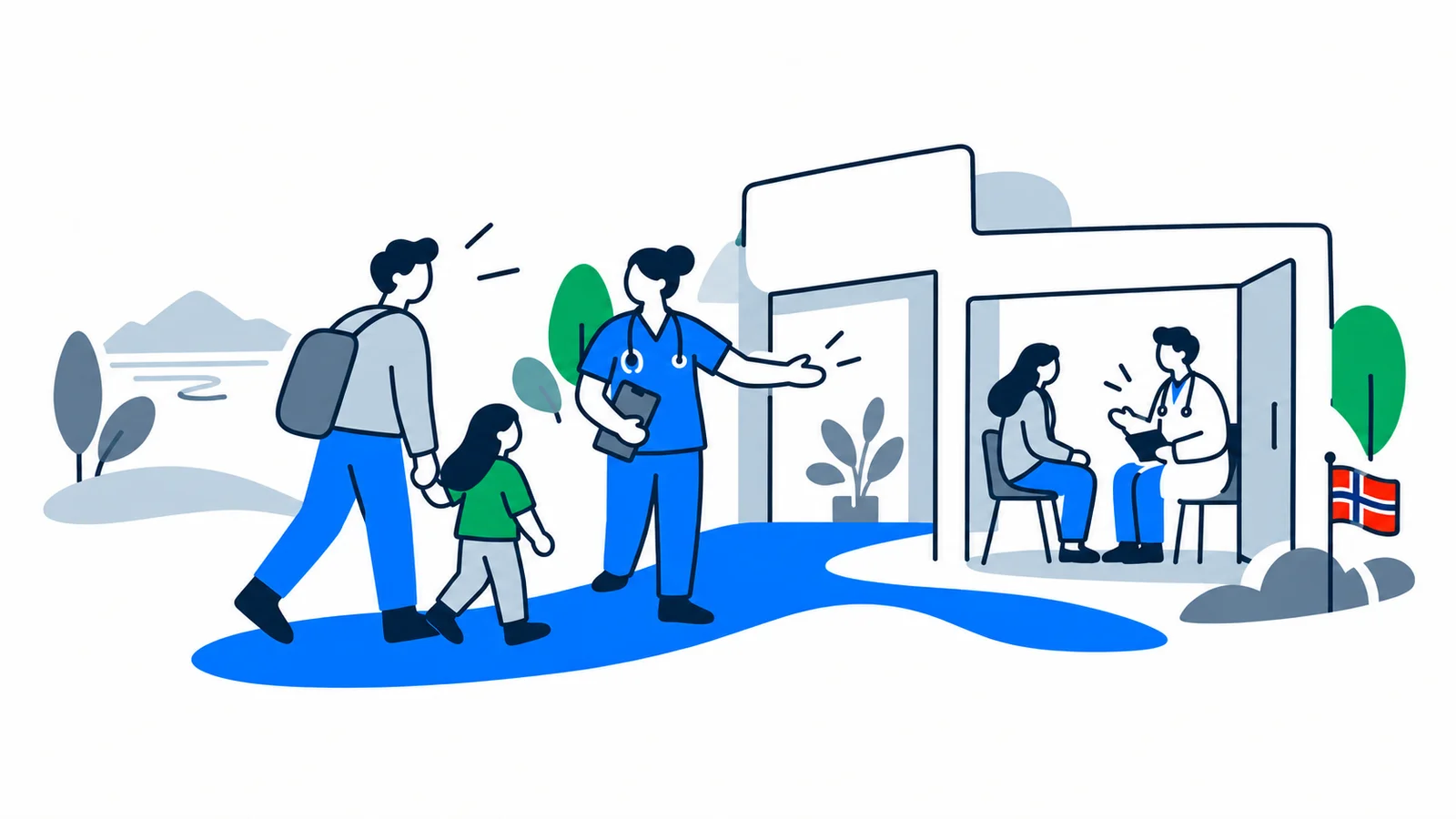
You do not need to wait until something becomes dramatic before you ask for help. The Norwegian health system is built to catch disease early. That includes follow-up through child health clinics, GPs, hospitals and prevention programmes.
What to remember for the test
For the social studies test, you should be able to say that the main causes of death in Norway are cancer, cardiovascular disease and dementia. You should also know that tuberculosis and malnutrition are not common causes of death in Norway today. At the same time, the major non-communicable diseases are the biggest cause of disease burden in the population.
It is also useful to know that public health includes both body and mind, and that migration can involve a psychological burden in several phases. Prevention, vaccines, early treatment and healthy habits are important parts of the Norwegian model.
Short version
Public health is a picture of how the whole population is doing. In Norway, chronic diseases dominate, not the old poverty diseases. When you understand that, it becomes easier to read health statistics, answer test questions and see why prevention matters so much.