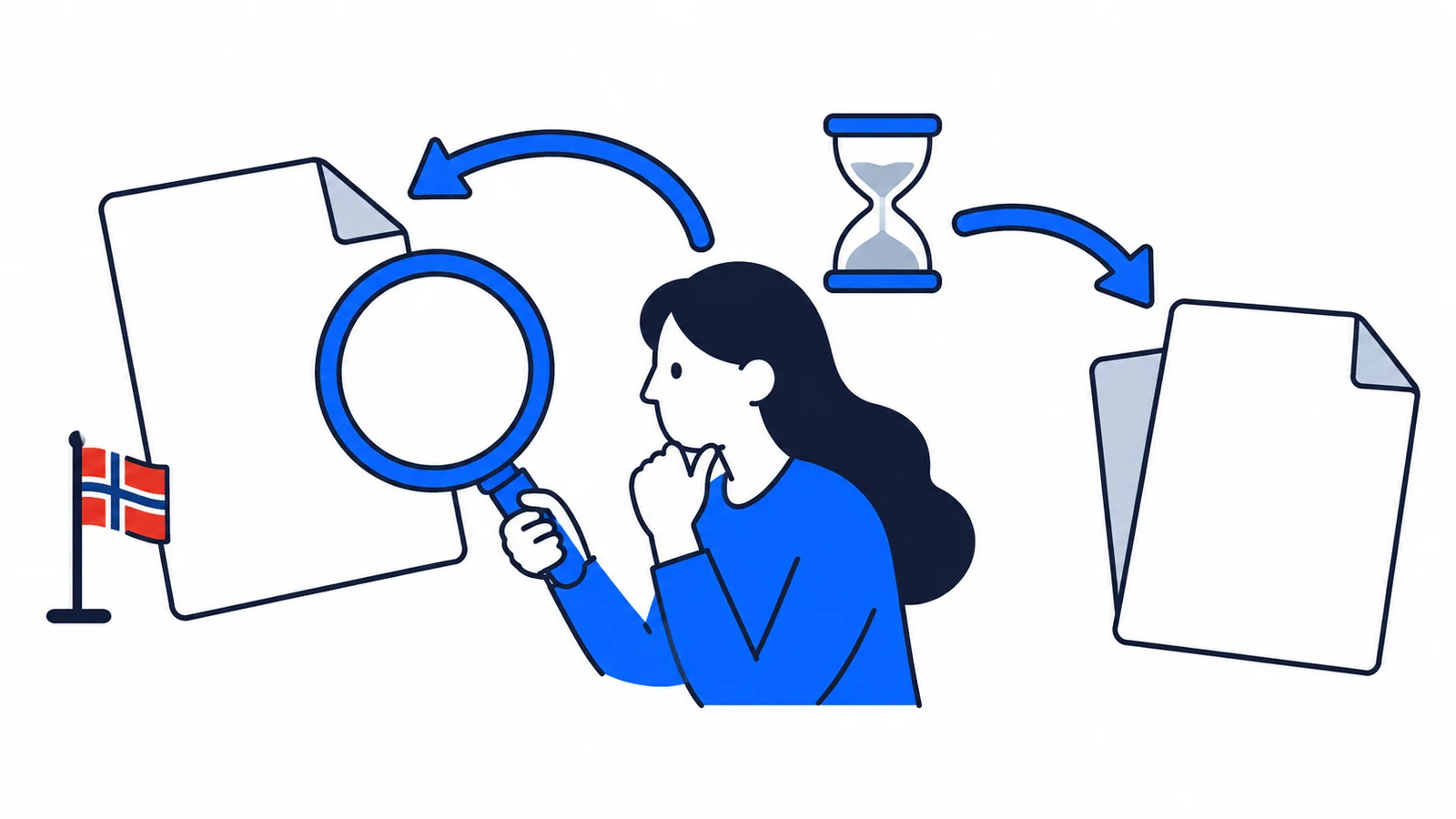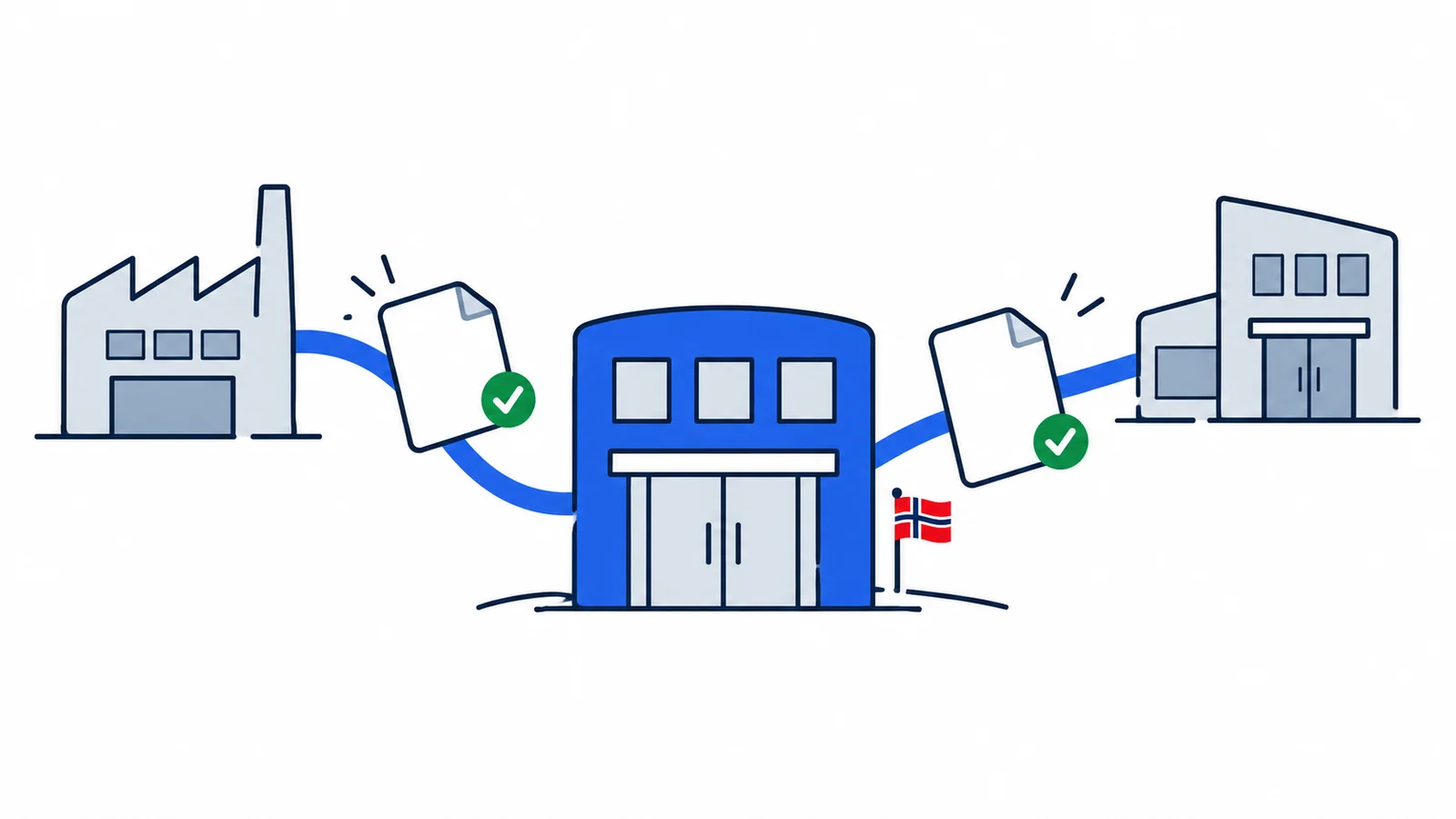

If you've received a rejection from UDI (Utlendingsdirektoratet), you generally have three weeks to appeal. You send the appeal to UDI, which will reassess your case. If UDI doesn't change the decision, the appeal goes to UNE, which makes the final decision.
A rejection is not the end — many people appeal, and some succeed. A rejection can concern asylum, family immigration, residence permits for work or studies, or citizenship. The rules for appealing are mostly the same. This guide explains the deadline, what the appeal must contain, and what happens next. On SamfunnPrep, we gather rights that are easy to lose track of — the right to appeal is one of the most important.
What does a UDI rejection mean?
A rejection means UDI has said no to your application. In the decision, it states why you received a rejection and what happens next. Read the decision carefully. You'll find two important things there: the appeal deadline and whether you can stay in Norway while you appeal.
You have the right to appeal almost all decisions from UDI. The right to appeal is part of the right to appeal public decisions in the forvaltningsloven. If your case concerns asylum, you can also read more about the entire asylum process in Norway.
How long is the appeal deadline?
The appeal deadline is three weeks from when you received the decision. The deadline runs from when the letter reached you, your representative, or your lawyer — not from the date the decision was written.
This is a short time, so start right away. If you can't write a full appeal within three weeks, you can send a brief appeal where you state that you are appealing and ask for more time to send the reasons. If you appeal late, UDI may refuse to process the appeal. If you have a good reason for the late appeal, you should explain it in the appeal.
How to appeal step by step
Here's how to proceed when appealing a UDI rejection:
- Write the appeal. It must be in writing and signed. You can write in Norwegian or English.
- Reference the decision. Write which decision you are appealing and include your DUF number (12 digits) and case number.
- Explain what you want to change and why. Write what you believe is wrong in the decision.
- Attach new documentation that supports your case, such as new papers or information UDI did not have before.
- Send the appeal to UDI, not to UNE. You can upload it in UDI's portal or send it by mail to Utlendingsdirektoratet, Postboks 2098 Vika, 0125 Oslo.
UDI reviews the case again. If they change the decision, you win. If they don't, they send the appeal forward to UNE.
Can you stay in Norway while you appeal?
This is one of the most important questions, and the answer is in your decision. It's called utsatt iverksetting (suspended enforcement). If you have utsatt iverksetting, you can stay in Norway until the appeal is fully processed.
If you haven't automatically received utsatt iverksetting, you can ask for it in the appeal. You should send the appeal quickly and request to stay in Norway until the answer is clear. If you're unsure what applies to your case, you should get help from a lawyer or an organization before the deadline expires.
Do you have the right to free legal aid?
In some cases, you get free help from a lawyer. This is called fri rettshjelp (free legal aid). The rules vary by case type:
- Asylum cases: If you receive an asylum rejection from UDI, you normally have the right to five hours of free legal aid for the appeal. If your case is heard in a UNE board meeting, you get five additional hours.
- Family immigration, work, and studies: You usually do not get free legal aid for these. You can appeal yourself or pay for a lawyer.
During meetings with UDI or UNE, you have the right to an interpreter if you don't speak Norwegian well. Request an interpreter in advance — it's free.
What happens at UNE?
UNE (Utlendingsnemnda) is an independent body that handles appeals of UDI decisions. Most cases are decided in writing by a case officer or board leader. In cases with substantial doubt, you may be called in for a board meeting, where you can meet and explain yourself orally. In practice, this happens in few cases.
UNE can rule in your favor or uphold the rejection. If you win, the decision is changed. If UNE upholds the rejection, the decision is final in the administrative system. You could then potentially take the case to court, but this often costs money and time.
You can find more about residence and requirements in the topic permanent oppholdstillatelse (permanent residence permit) on SamfunnPrep.
Where can you get help?
You don't have to face an appeal alone. Several organizations provide free or affordable help:
- NOAS (Norsk organisasjon for asylsøkere) helps with asylum cases.
- Jussbuss and JURK provide free legal help from law students.
- Selvhjelp for innvandrere og flyktninger (SEIF) helps with practical questions.
- A lawyer who specializes in immigration law, if you can afford it or have the right to free legal aid.
Ask for help as early as possible, ideally right when you get the rejection. This way you meet the three-week deadline and you get a better appeal.
Many of the rules about rule of law, the right to appeal, and public administration are part of the syllabus for the samfunnskunnskapsprøven (civics test). You can practice free on SamfunnPrep and become more confident about how the system works.