
Under the government's plan, Trandum immigration detention centre and the family unit at Haraldvangen would transfer to kriminalomsorgen from 1 January 2027. The government presented the bill on 2 October 2026. As of 4 October 2026, Stortinget has not adopted the changes.
What does the government want to change?
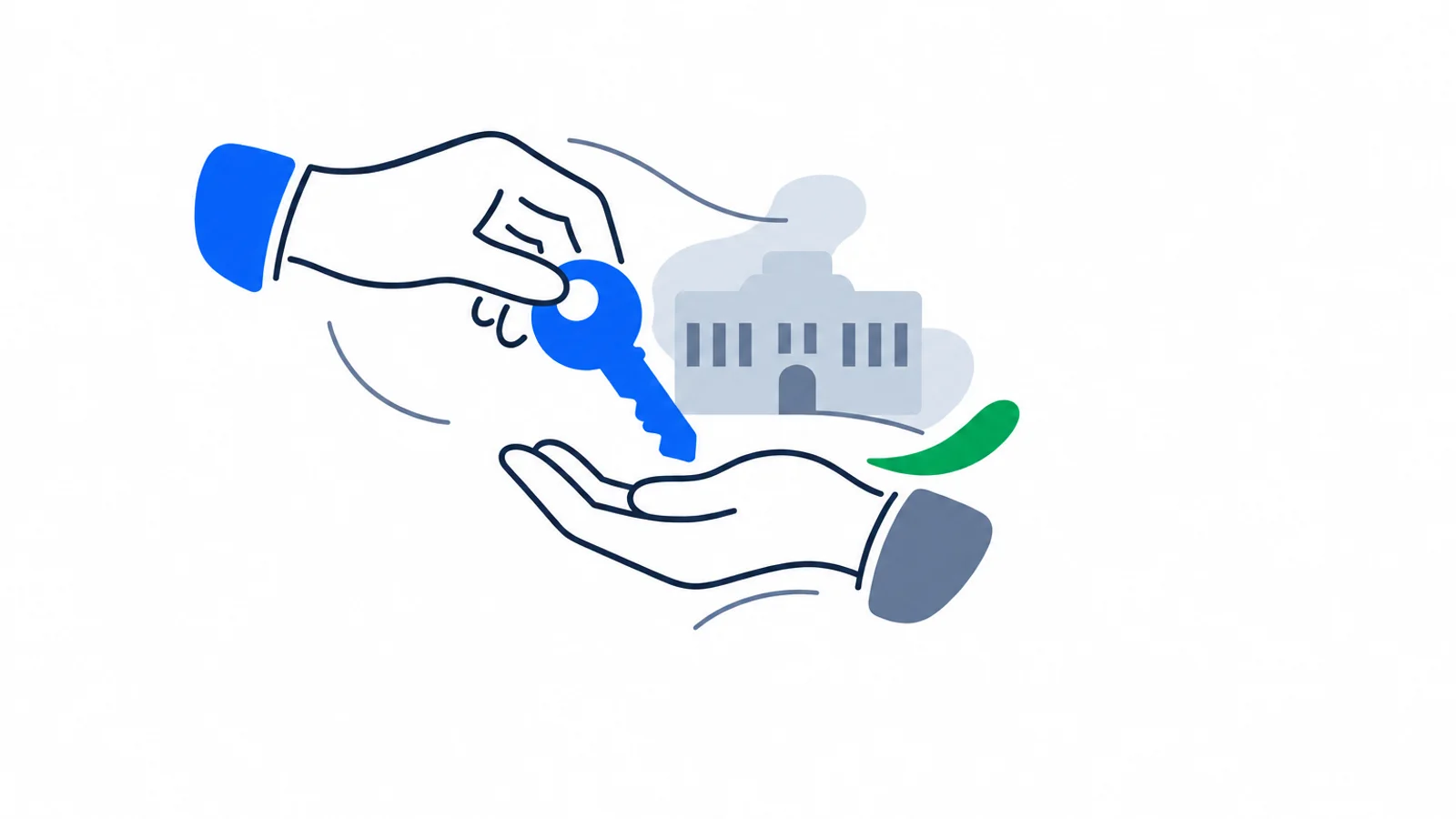
The government wants kriminalomsorgen, the agency that runs prisons and administers sentences, to take over operation of the immigration detention centre. This is currently a police responsibility.
An utlendingsinternat is a closed facility for people detained under immigration rules. A stay is intended, among other things, to allow identity checks or return. It is a different arrangement from a normal asylum reception centre, where many people live while their applications are processed.
The Ministry of Justice and Public Security (Justis- og beredskapsdepartementet) considers kriminalomsorgen better equipped to operate the institution. This is the ministry's reason for the bill announced on 2 October.
On SamfunnPrep, you can read about the authorities' different roles in the guide to the asylum process in Norway.
Who keeps responsibility for return?
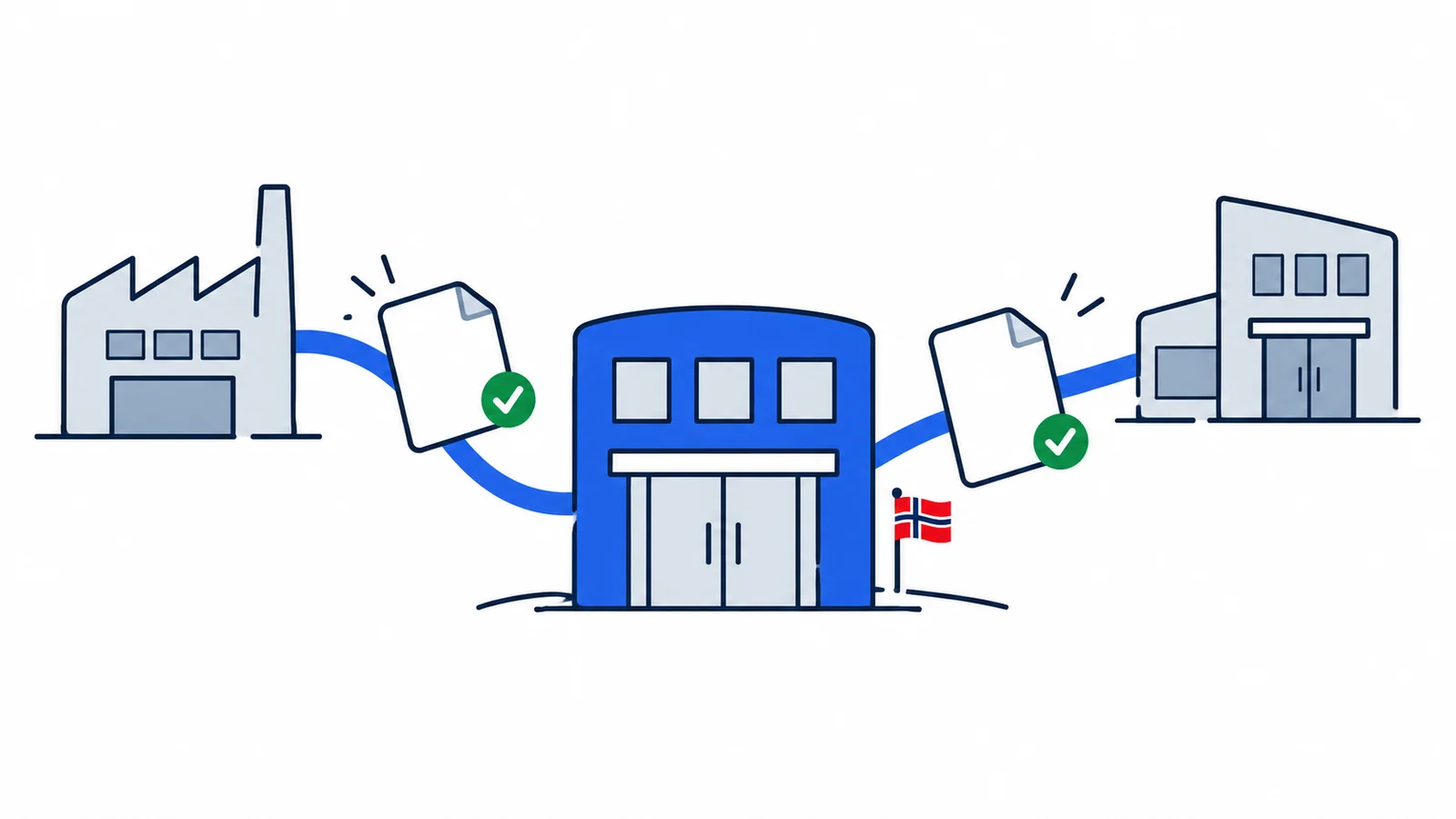
The police would still establish identity and carry out return and removal. The transfer concerns operation of the detention centre.
This means kriminalomsorgen and the police must work closely together. The bill therefore also includes rules on cooperation and information sharing between the agencies.
The change concerns a specific part of the immigration administration. It is not a new arrangement for everyone applying for residence in Norway.
What limits would apply to control measures?
The bill describes both control measures and limits on their use. These include freedom of movement, temporary confiscation of belongings and use of force.
Prop. 2 L, chapter 1 gives these examples:
- Locking people in their rooms at night would require necessity for order or safety. The proposal exempts people under 18.
- Locking people in must also not be used if it would place a disproportionate burden on the individual.
- When communication equipment is confiscated, there must be a reasonable opportunity for written and spoken contact with people outside.
The proposal also requires reassessing night-time confinement and confiscation of communication equipment after 72 hours of stay. These points describe the proposed legislation, rather than new adopted rules.
What happens before 1 January 2027?
1 January 2027 is a planned transfer date. Stortinget, Norway's parliament, must consider the legislative changes before the plan can be carried out on this basis.
As of 4 October 2026, Stortinget's case page shows that the bill has been introduced. Committee consideration and the two legislative readings have not taken place.
Over the next 3 months, further consideration of the bill is therefore important for affected families and the public. SamfunnPrep's topic on democracy and citizenship explains the background to political participation and how society is governed.