

Men Between 18 and 60 Can No Longer Get Collective Protection in Norway
The government has decided to significantly tighten the scheme for temporary collective protection for people displaced from Ukraine. The change means that men between 18 and 60 years old, with certain exceptions, will no longer receive collective protection in Norway. Utlendingsdirektoratet (UDI) has confirmed that the change applies to everyone who applies from 5 May 2026 onwards.
What Does the Change Mean?
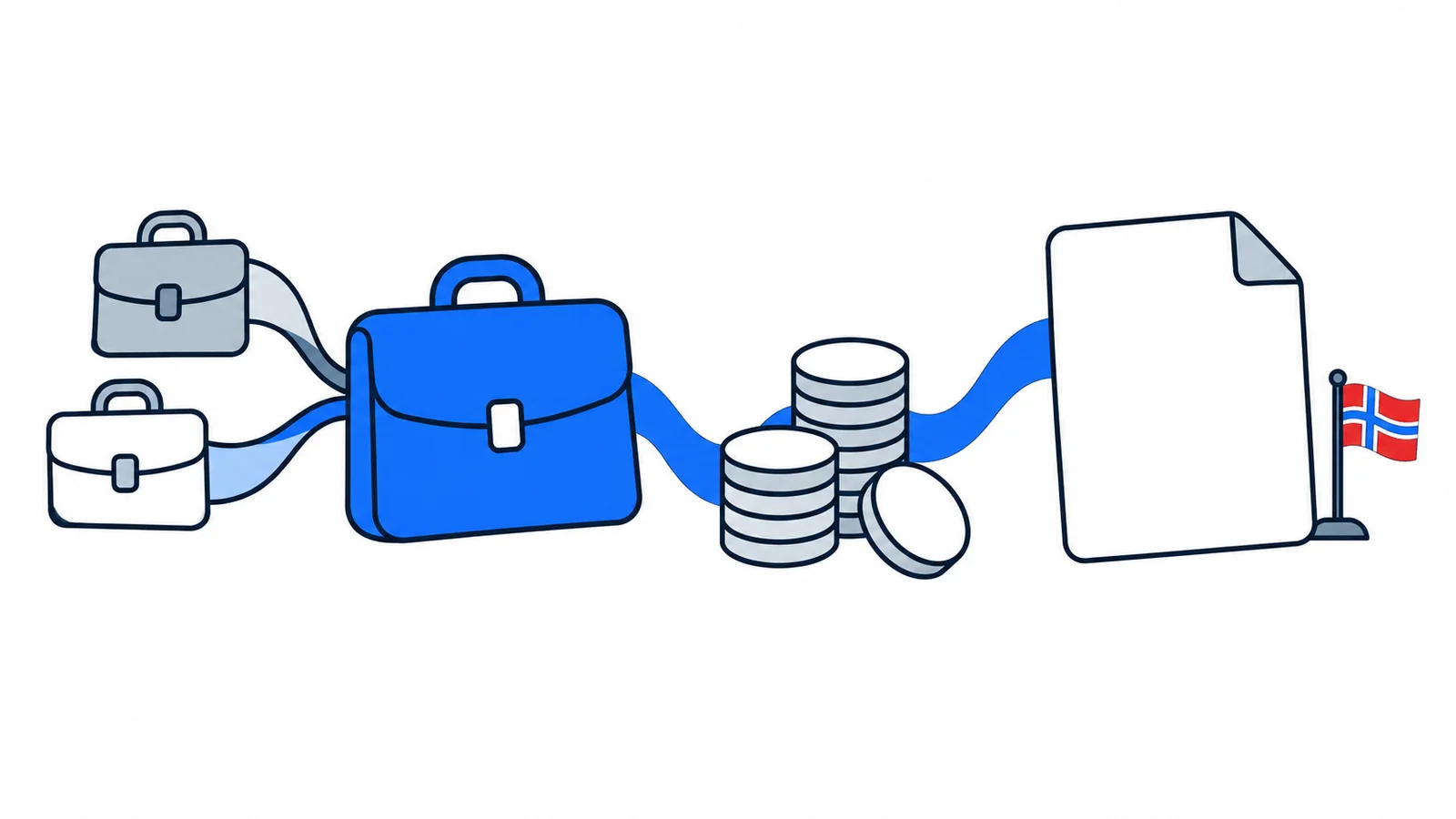
Until now, Ukrainians who fled the war have received temporary collective protection in Norway. This scheme has allowed people to stay without each application having to be assessed individually. Under the new rule, men aged 18 to 60 will instead be assessed under the rules for individual protection. The requirements for receiving protection on an individual basis are significantly stricter than for collective protection.
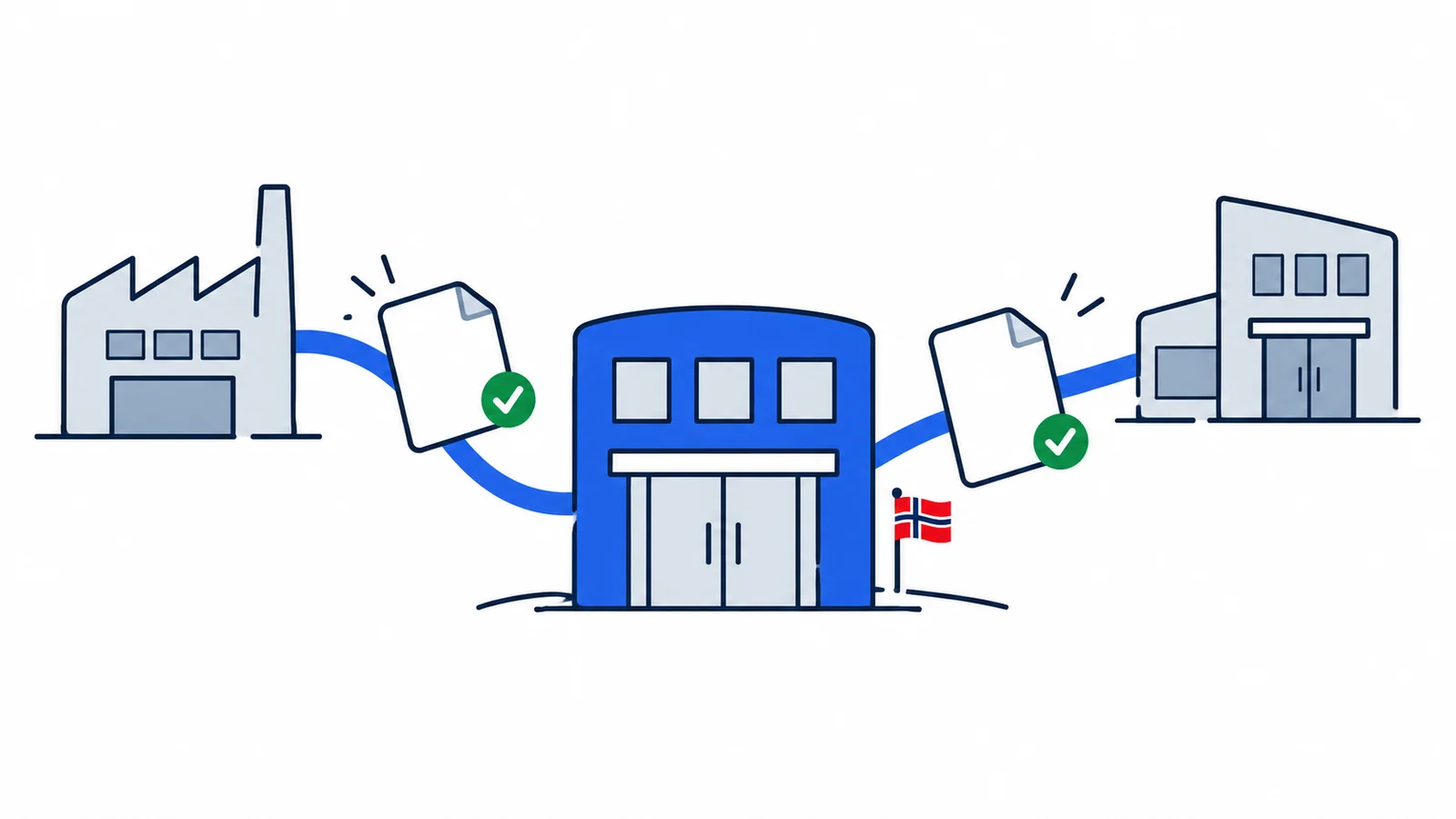
It is important to note two key points from UDI: the change does not apply to men who have already been granted collective protection, and it does not apply to those who are renewing their residence permit. In other words, the tightening only affects new applicants arriving in the country from 5 May 2026 onwards.
Who Can Still Receive Collective Protection?
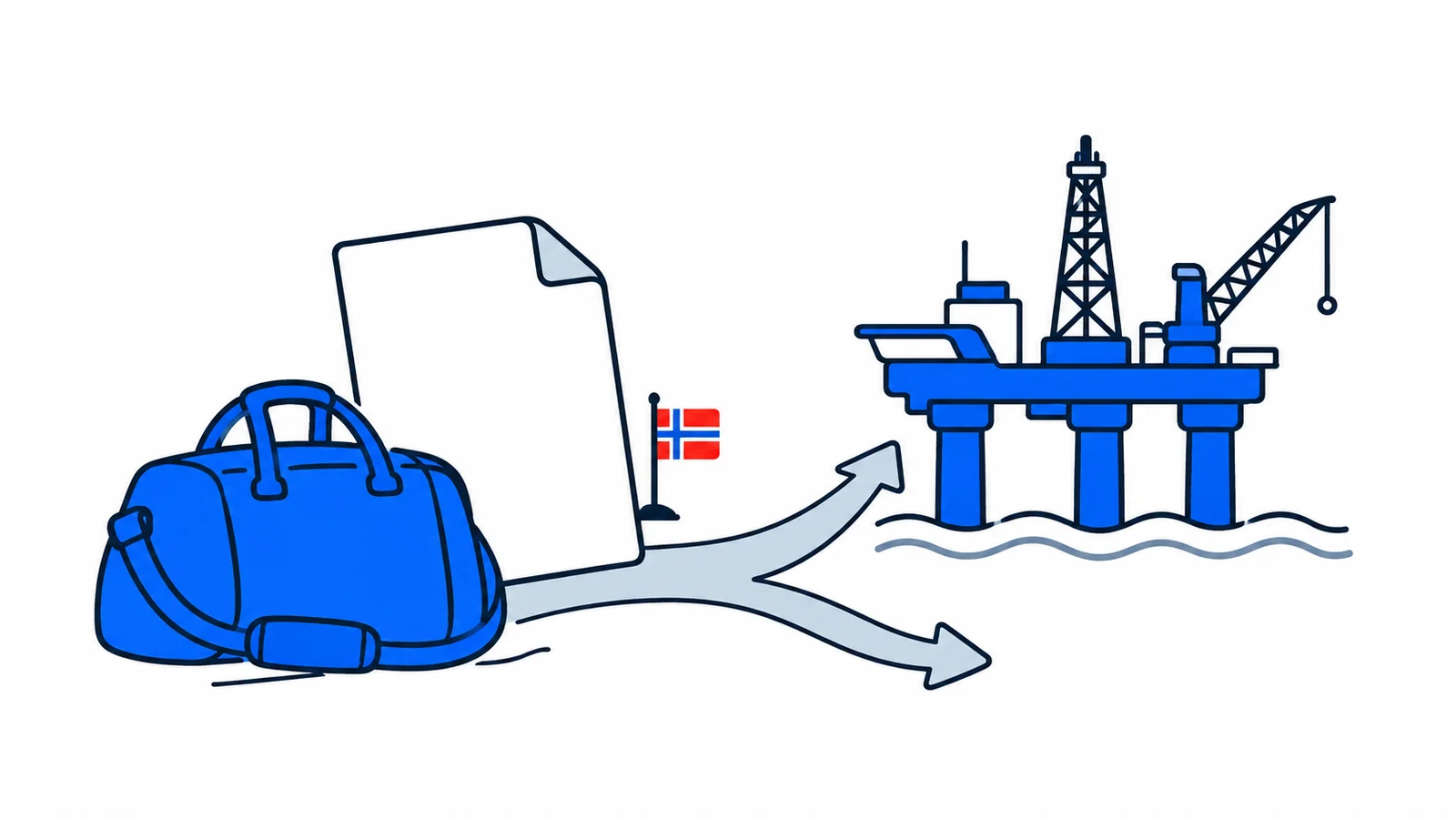
UDI has made clear that some men can still receive collective protection, even after the new rules come into force. This applies to three groups.
First, men who have parental responsibility, are a guardian, or are another close family member, and who will be caring alone for children they are travelling with or who are already in Norway. This is an important point for families who have been separated by the war.
Second, men who can document that they are exempt from military service in Ukraine, or who are clearly unable to perform such service. The applicant must provide documentation themselves.
Third, men who have been offered medical evacuation to Norway through the EU's Civil Protection Mechanism (UCPM), or who are accompanying family members of such persons.
The applicant must themselves document or clearly demonstrate that the conditions are met. This means it will be absolutely essential to prepare the case well and gather the relevant documents before applying.
The Background for the Tightening
The proposal to tighten the rules was sent out for public consultation in February 2026, and the government adopted the change on 27 March. Minister of Justice and Public Security Astri Aas-Hansen has explained the change by pointing to the need for controlled, sustainable, and fair immigration. The government notes that since autumn 2025, there has been an increase in the number of young Ukrainian men coming to Norway.
Minister of Labour and Inclusion Kjersti Stenseng has emphasised the pressure on local municipalities. Norwegian municipalities have settled close to 100,000 displaced Ukrainians, and many are now reporting pressure on services and a shortage of housing. The government therefore believes it is necessary to reduce arrivals in order to ensure good integration of those who are already here.
Another argument is that Norway has received the most Ukrainians in the Nordic region. Denmark adopted a similar tightening at around the same time, and several European countries are considering stricter rules. The EU has extended the temporary protection scheme for Ukrainians until March 2027, but at the same time several European countries are considering stricter rules and more targeted schemes.
Numbers and Forecasts
UDI estimates in its forecast from March 2026 that around 9,600 people will apply for collective protection during the year. By comparison, Norway registered over 13,000 applications in 2025. The directorate expects that "very few" men in the relevant age group will be granted protection through individual processing.
This figure is important to understand: in practice, most Ukrainian men between 18 and 60 who arrive in Norway after 5 May 2026 will likely be rejected — unless they fall under one of the exceptions.
Reactions and Criticism
The tightening has received political support from both Senterpartiet and Fremskrittspartiet. Senterpartiet's immigration policy spokesperson Bengt Fasteraune believes the measure should have come as early as autumn 2025, when arrivals to Norway increased significantly. Fremskrittspartiet has long argued that Ukrainians who are fit for military service should be in Ukraine.
However, Norges institusjon for menneskerettigheter (NIM) has submitted a critical consultation response. NIM points to three types of risk that must be carefully assessed when returning to a country at war: the risk of abuse by Russian forces, the risk of inhuman or degrading treatment during military service, and the risk of such treatment as punishment for refusing military service. Prime Minister Jonas Gahr Støre himself noted that during his visit to Ukraine he travelled to a country "where no area is really safe."
It is also worth noting that Norwegian authorities have, since September 2024, classified parts of Ukraine as "safe areas." People from these areas have already lost the right to automatic collective protection, and very few have been granted a residence permit following individual assessment.
What Does This Mean in Practice?
For Ukrainian men who are planning to come to Norway after 5 May 2026, the change means several things.
The application process will be significantly longer and more demanding. Individual asylum processing requires extensive documentation and personal interviews. The waiting time can stretch over months or years, and the uncertainty during this period is considerable.
The risk of rejection is high. Based on the government's own estimates, few will be granted protection on an individual basis. This applies unless there is a specific, personal reason for persecution under the criteria of the Refugee Convention.
For men who fall under the exceptions, it is very important to gather documentation well before arrival: birth certificates for children in their care, guardianship declarations, medical certificates showing inability to perform military service, exemption papers from the Ukrainian Ministry of Defence, or documents related to UCPM evacuation. Families who are already separated should seek legal advice as early as possible to understand how the rules on parental responsibility and family immigration may apply.
What About Those Already in Norway?
The most important point is that Ukrainian men who have already been granted temporary collective protection are not affected by the change. They keep their residence permit, and renewals will happen in the same way as before. The government has also decided that displaced people from Ukraine who have had temporary collective protection for four years will have their residence permit extended for a fifth year.
For this group, rights related to Norwegian language training, the introduction programme, health services, work, and housing remain unchanged. It is nevertheless wise to stay updated on information from UDI, as further tightening may come.
The Way Forward
For newly arrived Ukrainian men between 18 and 60 who are considering applying for protection in Norway after 5 May 2026, it is essential to contact a lawyer or an organisation that offers legal help to asylum seekers. NOAS (Norsk organisasjon for asylsøkere) and Selvhjelp for innvandrere og flyktninger (SEIF) are among the organisations that offer guidance.
Updated information in several languages, including Russian and Ukrainian, is available at udi.no. UDI encourages everyone affected by the changes to check the website regularly, as further practical details may be updated before the date the rules come into force.
The change marks a significant shift in Norwegian immigration policy towards Ukraine, and is one of the most important tightenings since the collective protection scheme was introduced in March 2022. Future developments will depend both on how the war unfolds and on how other European countries adapt their own schemes.