
Places with a story
Vistehola
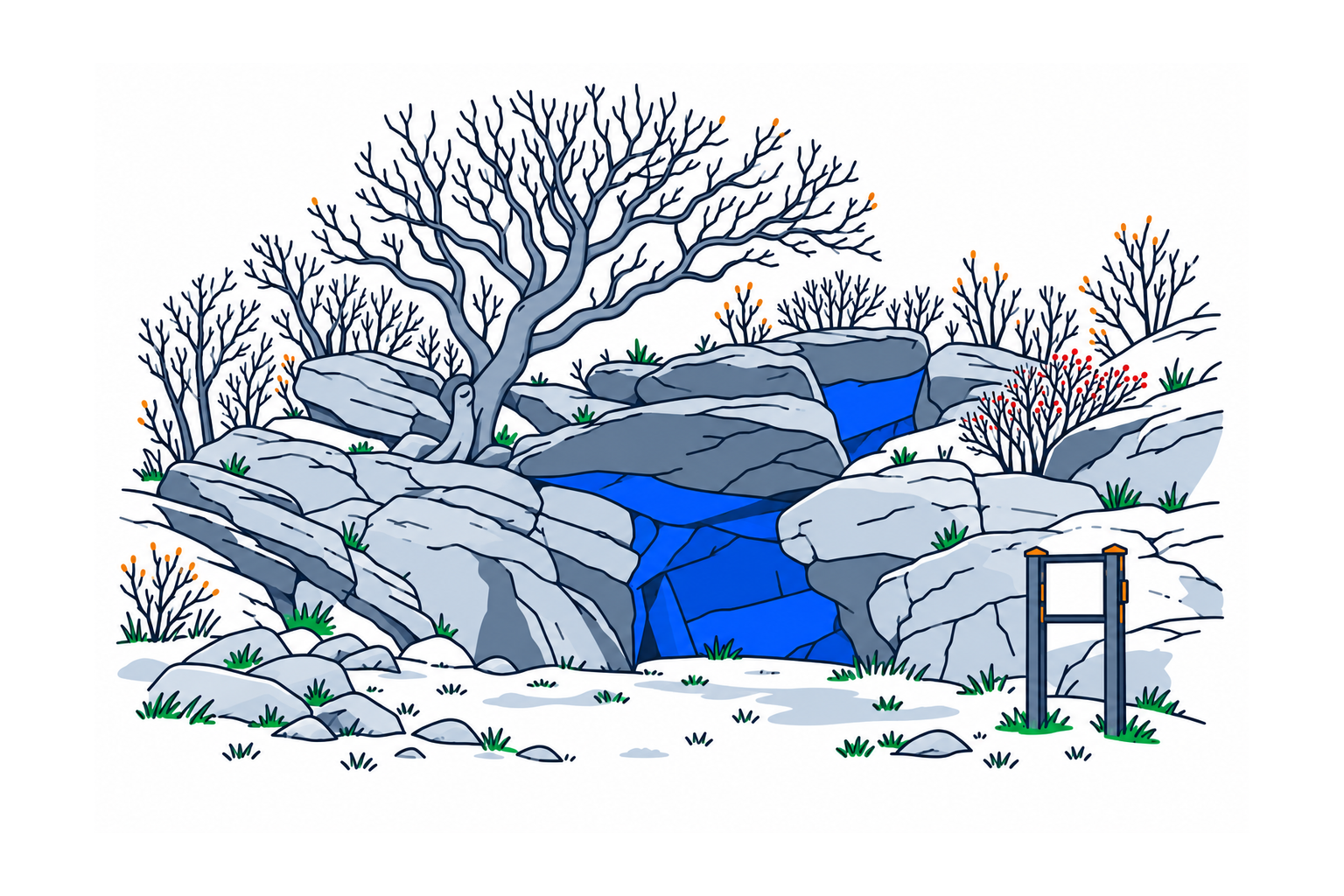
Vistehola, also known as Svarthola, is a Stone Age rock shelter in Randaberg. Archaeological finds from its small recess reveal thousands of years of coastal life, including the remarkably preserved skeleton known as Vistegutten.

The place1
The official destination account describes a shelter approximately nine metres deep, five metres wide and three metres high. Today it lies above and away from the sea. During the Stone Age the shoreline was much closer, which changes how the modern visitor should imagine the shelter's original setting.
History and local connections1
People began using the place around 6000 BC, with later episodes of use reaching into the Migration Period, around 500 AD. Excavation in 1907 uncovered the skeleton of a boy aged about 15. The remains are interpreted as roughly 8,200 years old and are now displayed at the Archaeological Museum in Stavanger.
What to look for1
The deposits contained bones, antlers and flint tools, with remains from about 50 animal and bird species. Those traces provide evidence of food, hunting and everyday equipment rather than only an isolated burial. At the place, compare the scale of the recess with the much wider coastal landscape that supported its occupants.
Planning a visit1
Vistehola is an outdoor archaeological area, while the original skeleton is held at the museum in Stavanger. Consult the official visitor information for the cave and the museum's current exhibition information. Follow the established walking route and leave stones and archaeological deposits undisturbed; the surrounding layers help researchers understand the discoveries.
Sources
Last checked:
More places in Rogaland


SamfunnPrep
Discover Norway. Prepare for the test.
Practice questions, clear explanations and mock exams.