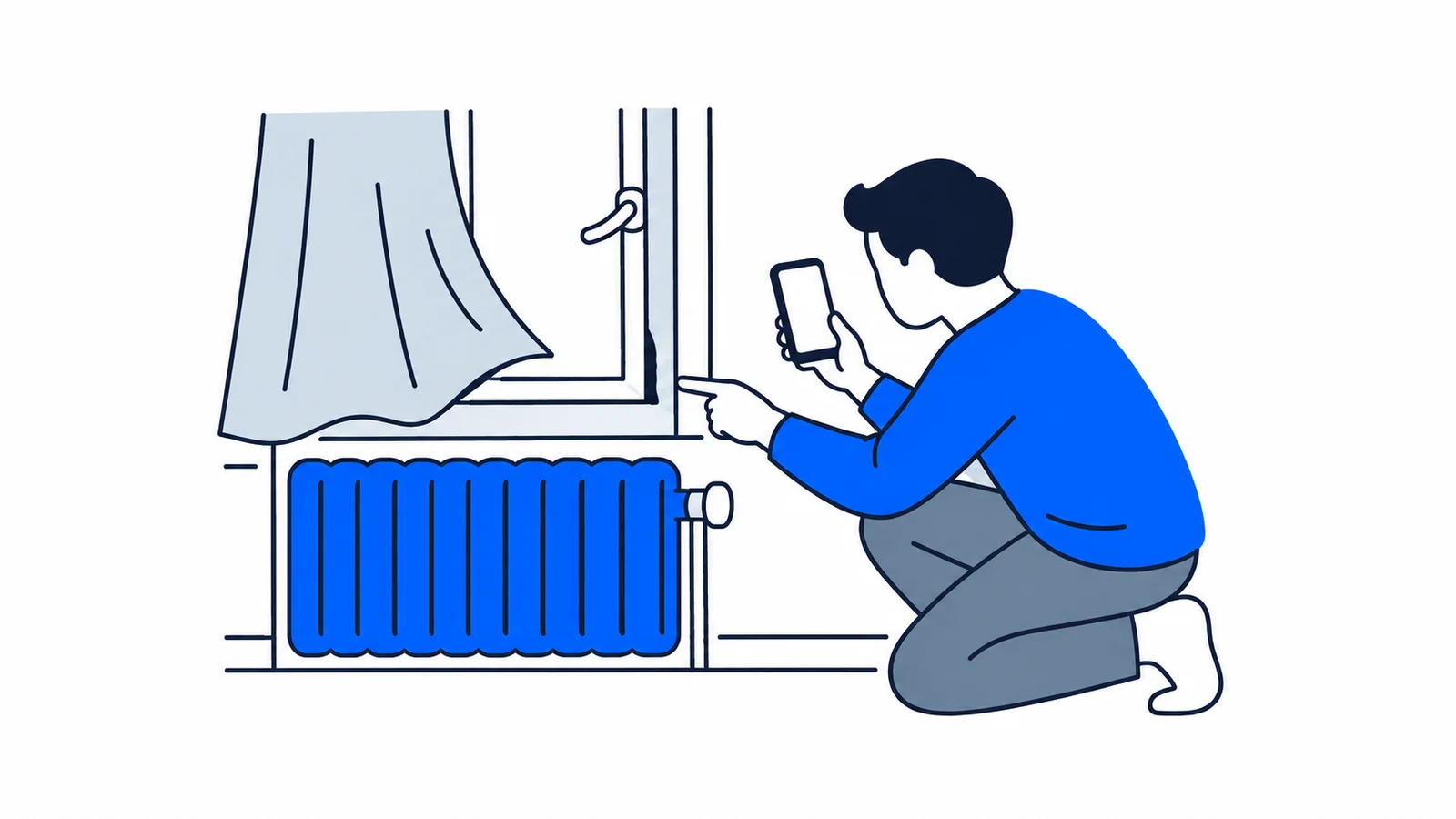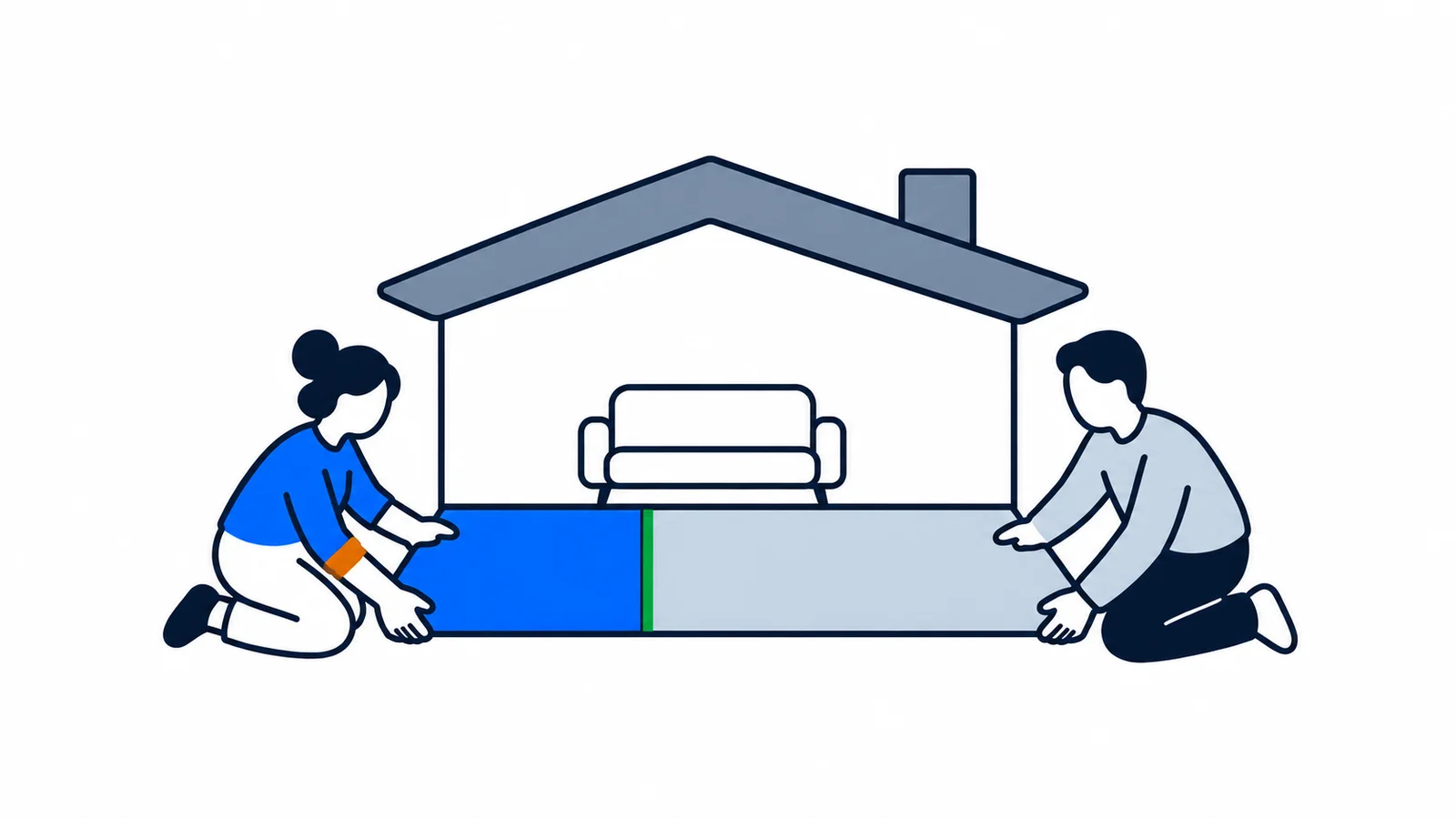


If you find bedbugs in your rented home, notify your landlord immediately. Document what you find, limit their spread and arrange treatment. The landlord must arrange to fix the problem, but who pays depends on liability and the agreement.
What should you do when you discover bedbugs?
Contact your landlord immediately. Husleietvistutvalget (HTU), the tribunal that handles residential tenancy disputes, says the problem needs prompt action.
Send a message even after a phone call. Explain what you saw, where and when. Describe your observations without guessing the cause. See HTU’s advice if you have bedbugs.
For example, you could write: “I suspect bedbugs after finding signs near the bed. Please see the attached photos. Who will arrange an inspection, and how will we follow this up?” This is a suggested message.
Keep the message and reply. Written evidence helps if you disagree about liability. SamfunnPrep has a separate guide to Husleietvistutvalget and evidence in tenancy disputes.
How can you recognise the problem?
Look for insects and signs around places where you sleep. Dark spots, shed insect skins and eggs can be signs. Bedbugs hide in places such as bed frames and cracks.
Folkehelseinstituttet (FHI), the Norwegian Institute of Public Health, provides expert advice on pests. Bedbugs can travel in luggage, second-hand furniture and other household items. They can also move between flats. See FHI’s description of bedbugs and how they spread.
Different pests need different measures. Get help identifying the insect before choosing treatment. Take clear photos if you can. A pest control company or FHI can help if you cannot identify the insect you found. See FHI’s help with identifying pests.
How can you limit the spread while you wait?
Agree on how to handle clothes, furniture and luggage with the person who will inspect your home. Do not move possibly infested items uncovered into other rooms or homes.
Infested items transported for cold treatment or disposal at a waste site must be tightly wrapped in plastic. This prevents the insects from spreading during transport. See FHI’s advice on transporting infested items.
As a tenant, you must also do what can reasonably be expected to limit your landlord’s financial loss when urgent damage occurs. Notify the landlord and cooperate on the measures. If you are not liable for the damage, you may claim reimbursement of reasonable expenses for these measures. This does not mean that every treatment you book yourself will automatically be paid for. See HTU’s guidance on damage during the tenancy.
Who must arrange treatment, and who pays?
The landlord must arrange to fix the problem. You may nevertheless be liable for the landlord’s financial loss. It is therefore necessary to clarify both treatment and costs.
HTU explains that the landlord must start taking action even if the tenant brought bedbugs home from a trip. Whether the tenant must cover the costs depends on liability. The agreement about maintenance may also matter. See HTU’s guidance on liability for pests.
There is an important condition: if you are liable for financial loss resulting from the damage, the landlord may require you to reimburse that loss before fixing the problem. This follows from Lov om husleieavtaler (husleieloven) § 5-7, Norway’s Tenancy Act. The rules were checked as of 7 October 2026. See §§ 5-7 and 5-8 on Lovdata, which publishes legal texts.
Ask for a written explanation if the landlord demands payment. Keep the tenancy agreement, photos and inspection reports. Also ask for the basis of the assessment of liability.
Why do several flats sometimes need inspection?
Bedbugs can be present in several homes in the same building. Treating only your flat may then be insufficient. More insects can arrive from untreated areas.
FHI recommends coordinated work when the problem affects several homes. The landlord should arrange contact with the building’s board or manager. Inspections can show which flats and areas need action. This does not mean that every flat always needs treatment. See FHI’s advice on pest control throughout a building.
What should you ask the pest control company?
Ask for a clear plan for inspection, treatment and follow-up. The person who plans and carries out professional pest control must be an approved pest controller. See FHI’s guidance on professional help.
Clarify who will book the service and what you need to do yourself. These questions can help:
| Topic | Questions for the company |
|---|---|
| Inspection | Which insect has been found, and how extensive is the problem? |
| Treatment | Which methods will be used, and do more rooms or homes need inspection? |
| Safety and tasks | How will you account for children, pets or other particular needs, and what should we do? |
| Price and follow-up | What does the agreement cover, and how will you check the result? |
A written plan makes it easier to understand and compare offers. Ask for clear prices and a timetable in the agreement. Follow the company’s advice on preparations and handling your belongings. See FHI’s advice on buying pest control services.
Must you let the landlord in?
Yes. You must provide necessary access for inspections and work to prevent damage. The landlord must normally give reasonable advance notice of a visit.
Agree on who will come, when and which rooms they will inspect. The exception to advance notice applies when measures are necessary to prevent damage and it is not possible to notify you. See HTU’s rules on the landlord’s access to your home.
What should you do if the problem is not resolved?
Follow up in writing and ask for further action. After professional treatment, the customer must receive a protokoll, a report of the work. Ask the person who booked the service to keep the report. See FHI’s requirements for a report after treatment.
If you are unhappy with the treatment, contact the company first. The municipality supervises pest control and can assess a case that remains unresolved. See FHI’s information on supervision and complaints.
A disagreement with your landlord about payment or rights is a different type of case. If the defect is not due to circumstances attributable to you, you may have a claim under husleieloven. The landlord must have an opportunity to fix the problem. A rent reduction requires, among other things, that the defect is not insignificant.
Withholding rent has its own conditions. The amount must be proportionate to the claim, and you must tell the landlord why and how much you are withholding. Do not assume that finding bedbugs automatically gives you the right to stop paying all rent. See HTU’s guidance on rent reductions, compensation and withholding rent.
Gather your evidence in one folder:
- the tenancy agreement and written messages
- photos with dates and locations
- reports, the treatment plan and agreements
- invoices, receipts and the specific claim.
If you also have damp or mould, SamfunnPrep has a separate guide to mould in rented homes and your rights. You can find more help with everyday life in SamfunnPrep’s practical tools.