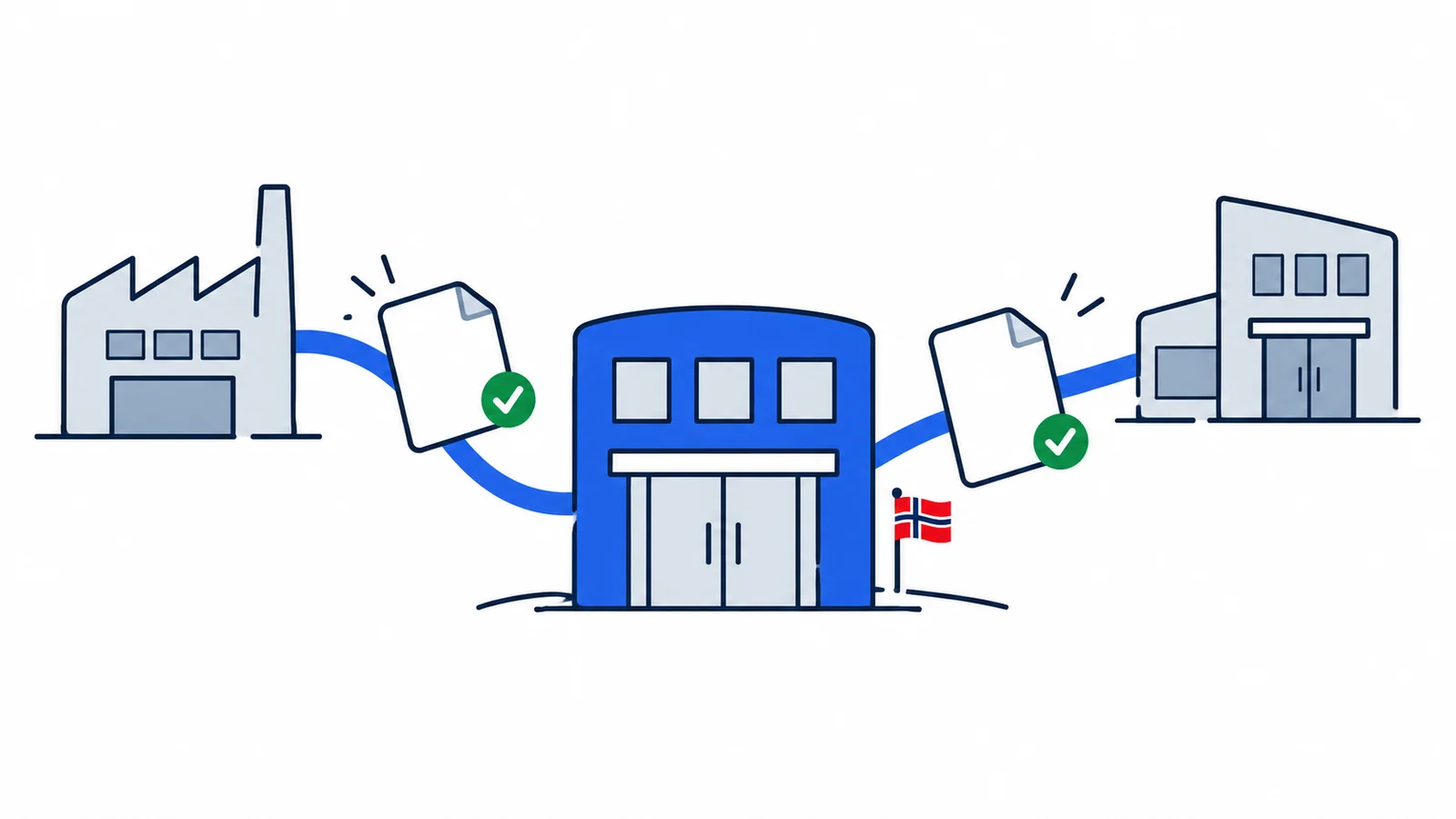


The government proposes a new residence permit for Ukrainians with collective protection who work in Norway. This is not yet law, and you cannot apply now. The consultation deadline is 30 October 2026.
What is being proposed?
The proposal would give some people displaced from Ukraine a route from temporary collective protection to a permit based on employment. The new permit is intended to count towards permanent residence.
The scheme would be voluntary and would require an application. Having a job would therefore not automatically give you a new status. You would need to apply and meet the conditions if the scheme is adopted. The government is considering a launch in summer 2027, but the timing may change.
Collective protection remains in place. The government has also said that this scheme will not be discontinued in 2027. If you apply for and receive the proposed work permit, it would replace your collective protection; you would not hold both statuses at the same time. The proposed work permit is therefore a possible option for a limited group, rather than an announcement that everyone must switch permits.
The new permit would replace collective protection. This is an important choice. Under the proposal, if renewal is later refused, you cannot fall back on collective protection. Høringsnotat 6.3.5–6.3.6
Who could qualify?
The main group is people who already have temporary collective protection in Norway, are working and can support themselves.
The proposal uses 17 September 2026 as the cut-off date. However, the sources differ in a way that needs clarification: the press release says protection must have been granted on this day or earlier. §§ 1 and 5 of the draft law say before this day. If your decision is dated exactly 17 September, we therefore cannot yet give a definite answer. Your arrival date alone does not settle the question either.
The ministry proposes that applicants must have earned enough income from work over the last twelve months. This means that a new employment contract alone would probably not be enough. You would need to document your income over time. The exact documentation requirements have not yet been finalised.
Requirements concerning applicants' criminal records have also been proposed. A criminal case or conviction could therefore affect an application. How individual cases will be assessed will only become clear once the final rules and guidance are available.
| Issue | What the proposal says | Decided yet? |
|---|---|---|
| Eligibility | Are people with decisions dated 17 September 2026 covered? | No |
| Income | 2,8 G or 3 G over the last twelve months | No |
| Launch | Planned for summer 2027 | No |
| Permanent residence | May count towards eligibility after three years | Proposed |
If you would like to check your employment arrangements now, you can read about employment contracts and signs of exploitation. Keep your contract, payslips, tax return and other documents showing your employment and income.
How much income would you need?
The income threshold has not been decided. In the consultation, the government is seeking views on two alternatives: 2,8 G or 3 G. Using the National Insurance basic amount cited in the proposal, 136 549 kroner, these correspond to an annual income of 382 337 or 409 647 kroner.
These are proposed thresholds, not current requirements. Nor is it certain that today's amounts would remain the same if the scheme is launched. G is normally adjusted over time. You should therefore check the final regulations and UDI's guidance before assessing whether you qualify.
The proposal focuses on income from work over the last twelve months. You should not assume that all types of payments count in the same way. The consultation paper and subsequent rules will need to clarify the details. SamfunnPrep will update this explanation when the final rules are published.
What is proposed for families?
The proposal would allow spouses, cohabiting partners and children under 20 who also have collective protection to receive a residence permit as dependants of the main applicant. Family members would need to apply under the rules ultimately adopted.
For family members to receive a permit, the government proposes a financial support requirement of 3,2 G. The consultation documents give this as 436 957 kroner per year. This amount could also change before the scheme launches.
The proposal does not mean that a family member without collective protection would automatically be covered. Nor does it mean that the standard family immigration rules would cease to apply. If your family situation is complicated, wait for final guidance from UDI or seek legal advice tailored to your circumstances.
Could the permit lead to permanent residence?
Yes, under the proposal, the permit would provide a basis for permanent residence after three years. You would also have to meet the other requirements in force when you apply. Holding the new permit for three years would therefore not automatically give you permanent residence.
The requirements for length of residence, income, Norwegian language skills and knowledge of Norwegian society may change before a future application. Read the updated overview of Ukrainians and permanent residence. Time spent under collective protection and time spent holding a new work permit must be assessed under the rules applicable to the individual case.
Travel can also affect collective protection. Before planning a stay in Ukraine, you should read how a trip could affect your permit and check the latest information from UDI.
How would the application process work?
The ministry proposes an online application through UDI's application portal using electronic ID. The proposed fee is 6 300 kroner for adults and half that amount for minors. This has not been finalised either.
The proposal would allow some applications to be processed automatically. The aim is to handle cases more efficiently. You would still need to provide accurate and complete information. An automated decision does not change your obligation to document that you meet the conditions.
UDI has not opened the application system. Do not pay anyone who promises to submit an application now. The authorities will publish the form, fee and list of required documents if the scheme is adopted.
What should you do now?
You do not need to change your status or submit an application. Follow the consultation until 30 October 2026 and wait for a final decision. Consultations may lead to changes in income requirements, family requirements and the start date.
It is still useful to gather documentation. Check that your employment contract is in writing, that your payslips are correct and that your employer reports your income. Keep the decision granting you collective protection and your residence card. Also make sure you can use electronic ID in case this becomes an application requirement.
Consider creating a separate folder containing:
- the decision granting you collective protection and a copy of your residence card
- employment contracts and any changes to your working hours as a percentage of a full-time position
- payslips for the last twelve months
- your tax return and annual summary from your employer
- documents relating to your spouse, cohabiting partner and children if your family may be able to apply together
Do not send sensitive documents to private individuals or businesses promising you a place in the scheme. Wait for UDI's official application portal and list of required documents. If your employer has reported your pay or position incorrectly, ask for a correction now and keep written confirmation.
On SamfunnPrep, you can use practical tools for life in Norway while waiting for the final rules. When the regulations and UDI's guidance are published, you should check the information again.
Would you like to understand Norwegian public administration and key terms better? Create a free SamfunnPrep account and practise step by step.