
A støttekontakt can help you take part in leisure activities and meet other people. Apply to the municipality where you live. The municipality assesses your needs. The service itself is free, but you should expect to pay your own activity expenses.
Who can get a støttekontakt?
Children, young people, adults and older people may need a støttekontakt. What matters is the support you need to take part in leisure activities.
Your needs may be linked to illness, an injury, substance use problems or a disability. The municipality assesses your situation together with you. A diagnosis therefore does not, by itself, guarantee a particular service or number of hours.
This guide concerns støttekontakt as a municipal health and care service. The information was checked on 2 November 2026 against Helsenorge's guidance on støttekontakt. Helsenorge is the public health information portal. Helsedirektoratet, the Norwegian Directorate of Health, has quality-assured the guidance.
SamfunnPrep also has an overview of rights for people with disabilities. Here, we look more closely at applying for support with leisure activities.
What can you do together?
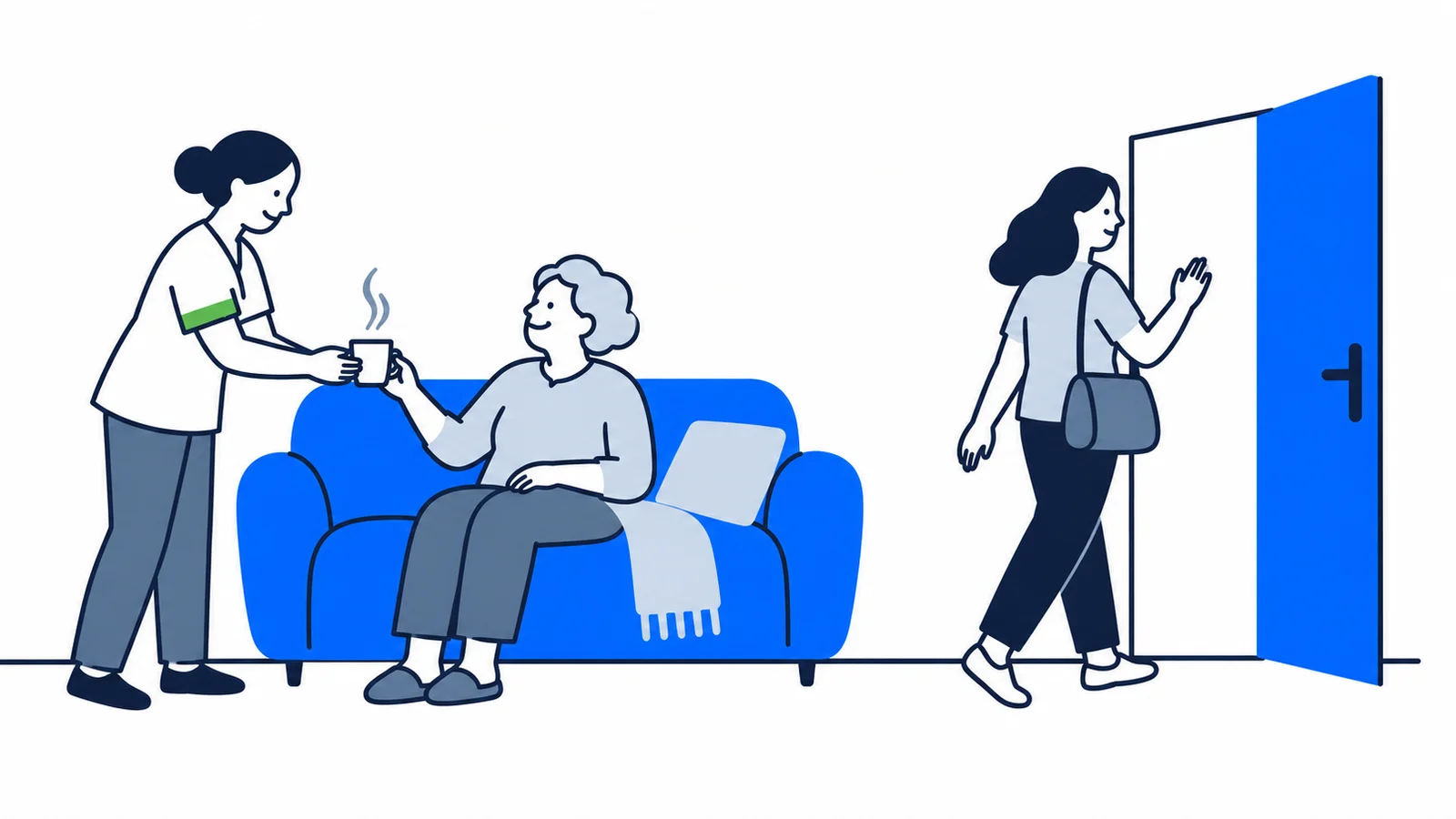
A støttekontakt can accompany you to activities you want to join. These might include a walk, exercise, a cinema visit or a trip to a café.
The service can be arranged for one person, in a group or together with a voluntary organisation. Ask the municipality to explain how the proposed service will meet your needs.
Oslo kommune's description focuses on social contact and activities outside the home. The municipality says that a støttekontakt usually has no specific professional qualification, but receives training and follow-up.
Explain what you enjoy and what makes it difficult to take part alone. If you want to start attending a regular activity, describe that specific goal. The aim does not have to be as many activities as possible. It can be one activity that matters to you.
How much does a støttekontakt cost?
You do not pay for the service itself. However, you should expect to cover your own tickets, food and other expenses during activities.
Ask about costs before choosing an activity. This makes it easier to find something you can continue attending. A walk or a free meeting place may also be a good option.
Oslo kommune says that a ledsagerbevis, or companion card, can give your støttekontakt free or reduced admission at many venues. This does not mean that all activities become free for you. Read about ledsagerbevis and where it can be used, and ask the venue whether it accepts the card.
How do you apply to the municipality?
Start on your municipality's website or contact its service desk. Ask for the correct application for støttekontakt or health and care services.
Office names and application methods vary. In Oslo, your district assesses your needs together with you. Bergen is a local example: there, you can apply online or on paper. Which office receives the application depends on who needs the service.
Bergen kommune's application page also explains how another person can help you apply. You must then include a fullmakt. Fullmakt means that you authorise someone to act on your behalf.
Use information from your own municipality when applying. A local procedure or age guideline on another municipality's website is not a rule for all of Norway.
A practical order is:
- Find the municipality's page for receiving a støttekontakt, rather than working as one.
- Ask which form and information the municipality needs.
- Describe your needs using concrete examples.
- Submit the application through the channel the municipality specifies.
- Keep a copy and any confirmation of submission.
What should you write in the application?
Describe what you want to do, what prevents you from doing it and what support could help. The list below is a suggestion for preparation, not a national list of required attachments.
You can make notes about:
- activities you enjoy or would like to try
- what your leisure time is like now
- what you can manage alone and what you need help with
- whether you want to meet others through a particular activity
- which days and times suit you.
Example description: “I would like to join a regular activity, but I cannot go there alone. I need support to get started and take part.” Replace the example with what actually applies to you.
Avoid writing only the name of an illness. Explain how your situation affects everyday life. Ask the municipality whether it needs documentation from others and how to send it. Do not assume that a particular attachment is required before checking.
What should you look for in the reply?
You must receive a written vedtak, meaning a decision on your application. A refusal must explain the reasons and provide information about appealing.
Read the reply alongside your application. Check whether the municipality has understood your needs and explained the service clearly. If you are granted support but are unsure about the start or practical arrangements, contact the office that sent the decision.
Ask specific questions about anything unanswered: Who is following up the case? How are activities arranged? When will you receive more information? These are questions you can use, not a promise of a particular start date.
Can you appeal a refusal or the number of hours?
Yes. You can appeal both a refusal and the number of hours if you disagree. Send the appeal to the municipality first, and follow the deadline in the decision.
Helsenorge's appeal guidance recommends explaining which decision you are appealing, what you disagree with and why. Link your explanation to your needs. If the municipality has misunderstood some information, explain what is correct.
You can ask the municipality for help with your appeal. It will reassess the case. If it does not uphold your appeal, the case goes to Statsforvalteren, the County Governor, which considers the appeal.
Who can help you with the next step?
Pasient- og brukerombudet, the Patient and User Ombud, can advise you if you need help understanding your rights or finding the next step. The ombud does not decide your application or appeal.
You can find contact details and guidance on Pasient- og brukerombudet's website. If you already have a støttekontakt but feel the service is not working, contact the municipality and explain what is happening.
When you need to keep track of other tasks involving public services, you can also use SamfunnPrep's practical tools.