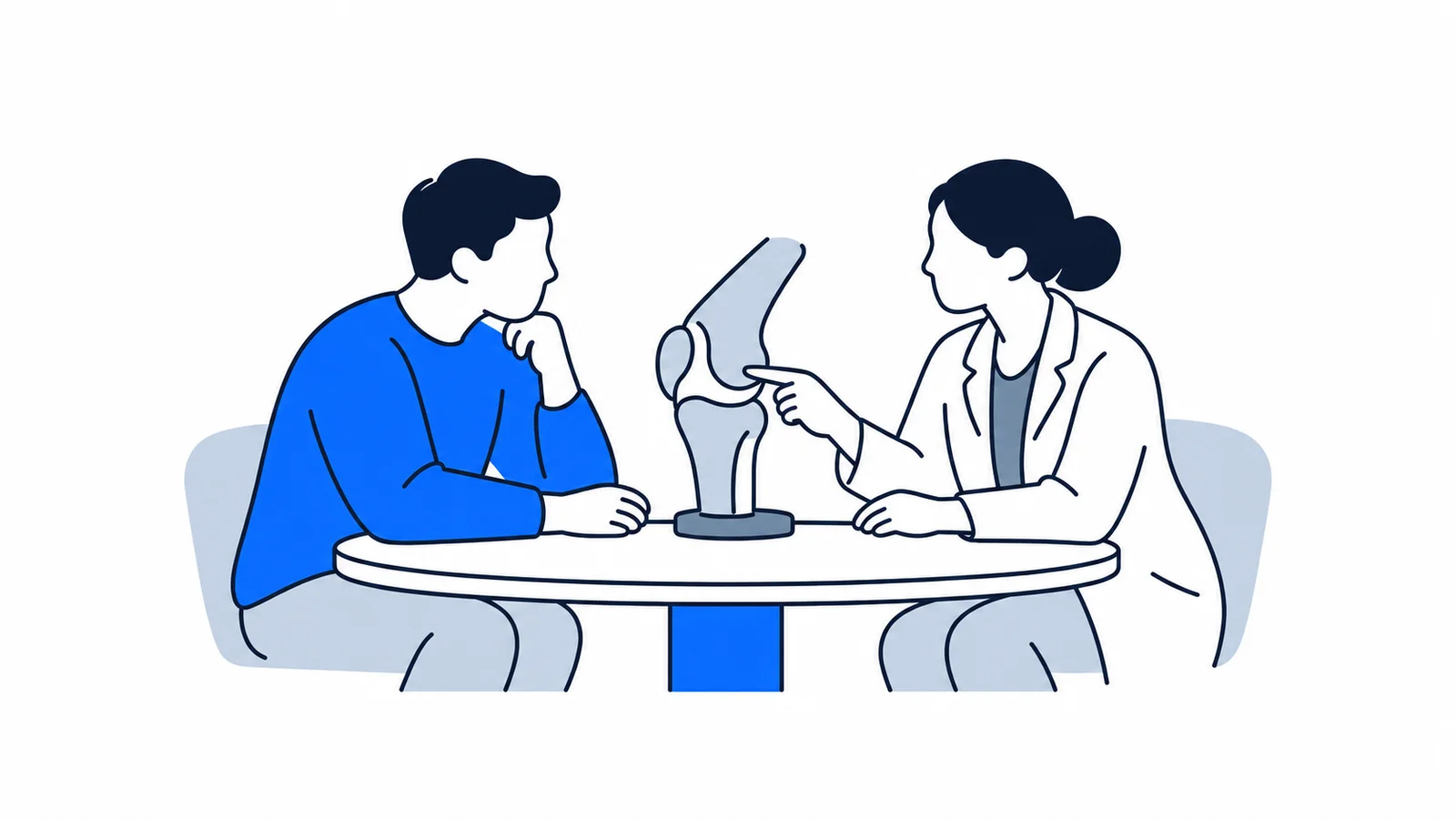

A frisklivssentral can help you change habits and manage health challenges. You can contact the service yourself, without a referral. Ask your municipality about local services, and clarify activities, language needs and any charges before you start.
What can a frisklivssentral help you with?
A frisklivssentral is a municipal healthy living service for people who have a disease or an increased risk of disease. You receive support for changes that fit your everyday life.
Services may focus on physical activity, eating habits or stopping snus and smoking. Some centres also offer help with sleep or coping with stress and other pressures. Courses and groups vary. You therefore need to check what your municipality actually offers.
Helsenorge describes who the service is for. Helsenorge is the public portal for health information and healthcare services. If you are unsure who does what, SamfunnPrep has a guide to the healthcare system in Norway.
You do not need to decide on a complete exercise programme before making contact. Start by explaining what you want help with. The service is not limited to one particular diagnosis either.
Do you need a referral from a doctor?
You can contact the frisklivssentral directly. Your GP, other healthcare staff or Nav, the labour and welfare administration, can also refer you.
A referral means someone directs you to a service. When you see the word frisklivsresept, it concerns contact with the healthy living service. It is not a prescription for collecting medicine at a pharmacy.
Helsedirektoratet explains contact routes and the service's role. The directorate provides national professional guidance to healthcare services. Staff at a frisklivssentral are considered healthcare personnel and may have different professional backgrounds.
If a doctor is already monitoring your health, you can ask how the services might work together. Do not change medicines or agreed treatment because of a general course.
How to find the service where you live
Search for your municipality's name and “frisklivssentral”. You can also use Helsedirektoratet's list of municipalities with a frisklivssentral.
Go to the municipality's own website. Look for contact details, who the service is for and how to arrange a first conversation. A course schedule from another municipality does not tell you what is available where you live.
If your municipality is not listed, contact its public service desk. Ask whether there is a local service or cooperation with a neighbouring municipality. Do not assume that finding nothing in an online search means no help exists.
If you live in a large city, check your district too. Use the municipality's updated contact information rather than an old course post on social media.
What should you ask before starting?
Clarify what you will attend and what is expected of you. You can use this checklist when you call:
- Does the service fit what I need help with?
- Will I start with an individual conversation or a group meeting?
- How do I sign up, and when can I get an appointment?
- Are there charges for conversations or courses, and how would I pay?
- Where does the service take place, and what should I bring?
- Whom should I tell if I cannot attend?
These are suggested questions, not a national list of requirements. Ask for information about the specific service you are considering. Do not buy equipment or pay for a course before you understand the arrangement.
You can write the answers in your own words. If it is unclear whether a price covers the whole course or each meeting, ask before confirming your participation.
What happens in the first health conversation?
You and an adviser discuss your everyday life and what you want to change. Together, you set goals and make a follow-up plan.
As of 2 November 2026, Helsedirektoratet describes follow-up in periods of 12 weeks, with a health conversation at the start and end. This describes the service; it is not a promise of an available place or a particular start date. Clarify how your local frisklivssentral organises follow-up.
The directorate's description of the health conversation also includes barriers, opportunities and further needs. You should help shape the plan. Explain both what you want and what is difficult to achieve.
How to prepare for the conversation
You can write a few short notes about a normal week. The aim is to explain your situation, not to provide perfect answers.
| Think about | Example of what you could say |
|---|---|
| What you want | “I want to find an activity I can keep doing.” |
| What works | “I enjoy walking with other people.” |
| What gets in the way | “My working hours often change.” |
| What you need to clarify | “I am unsure what level the group is at.” |
The examples are suggestions for the conversation, not advice on how much exercise you should do. If you have pain or other health problems, tell the adviser. Ask for an explanation if you do not understand why a suggestion suits you.
Can you have an interpreter?
Say that you need an interpreter when booking the conversation. State the language you understand best, even if you speak some Norwegian.
Healthcare staff assess the need and are responsible for booking a qualified interpreter. Interpreting is free for you as a patient in this healthcare service. Children must not be used as interpreters.
Helsenorge explains interpreting in healthcare. You can also read SamfunnPrep's overview of the right to an interpreter in Norway. During the conversation, you can ask the adviser to explain difficult words and summarise the plan.
What happens after follow-up?
Talk to your adviser about what you can continue doing in everyday life. The frisklivssentral should help you move on to suitable local activities when appropriate.
Raise the issue if the plan is not working. Working hours, travel distance or a group's activities may make participation difficult. Ask to review the goal and options instead of stopping without telling anyone.
Before the final meeting, you can note which activity you want to continue, whom to contact and what you still wonder about. SamfunnPrep also has practical tools for everyday life in Norway.