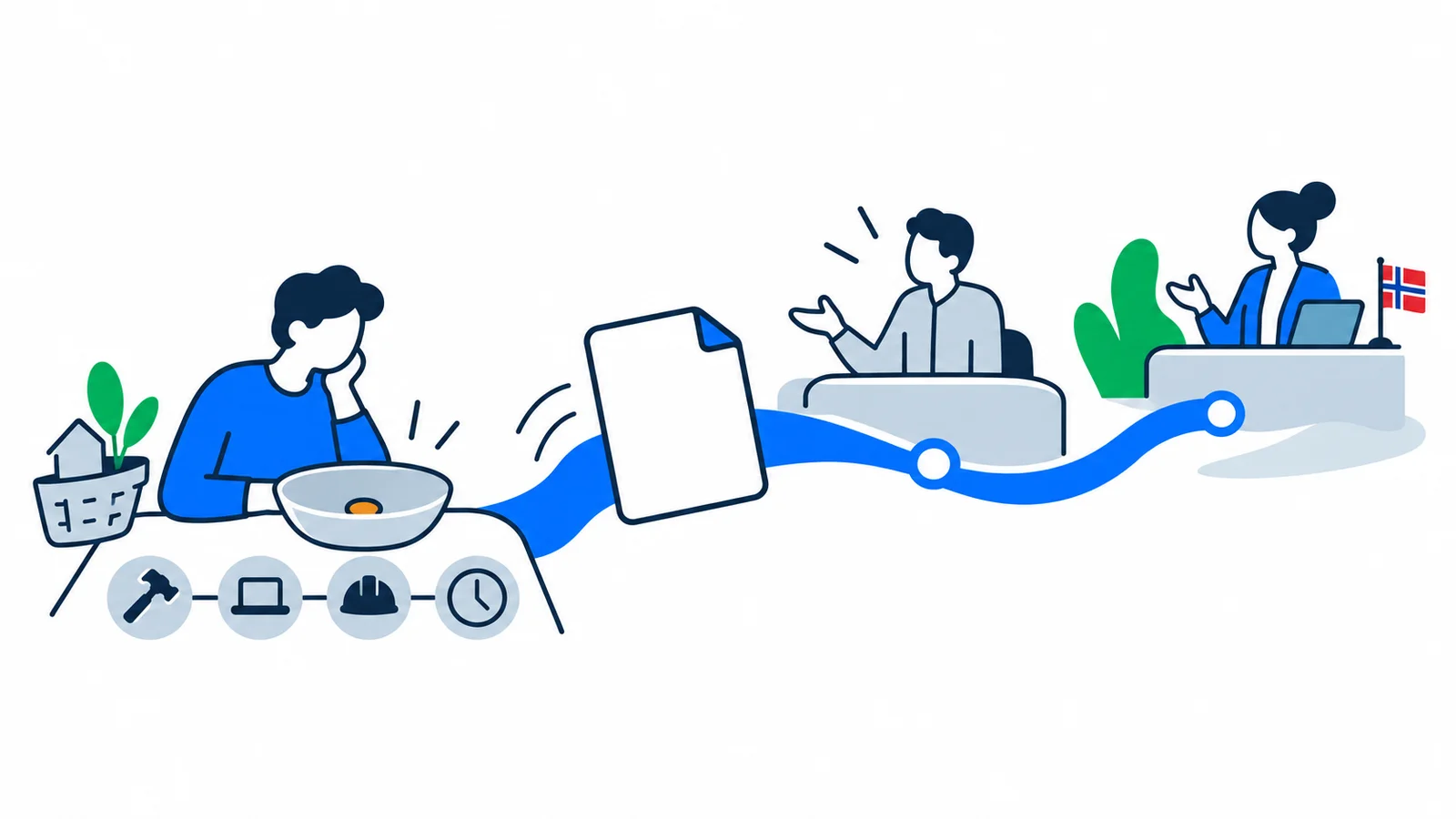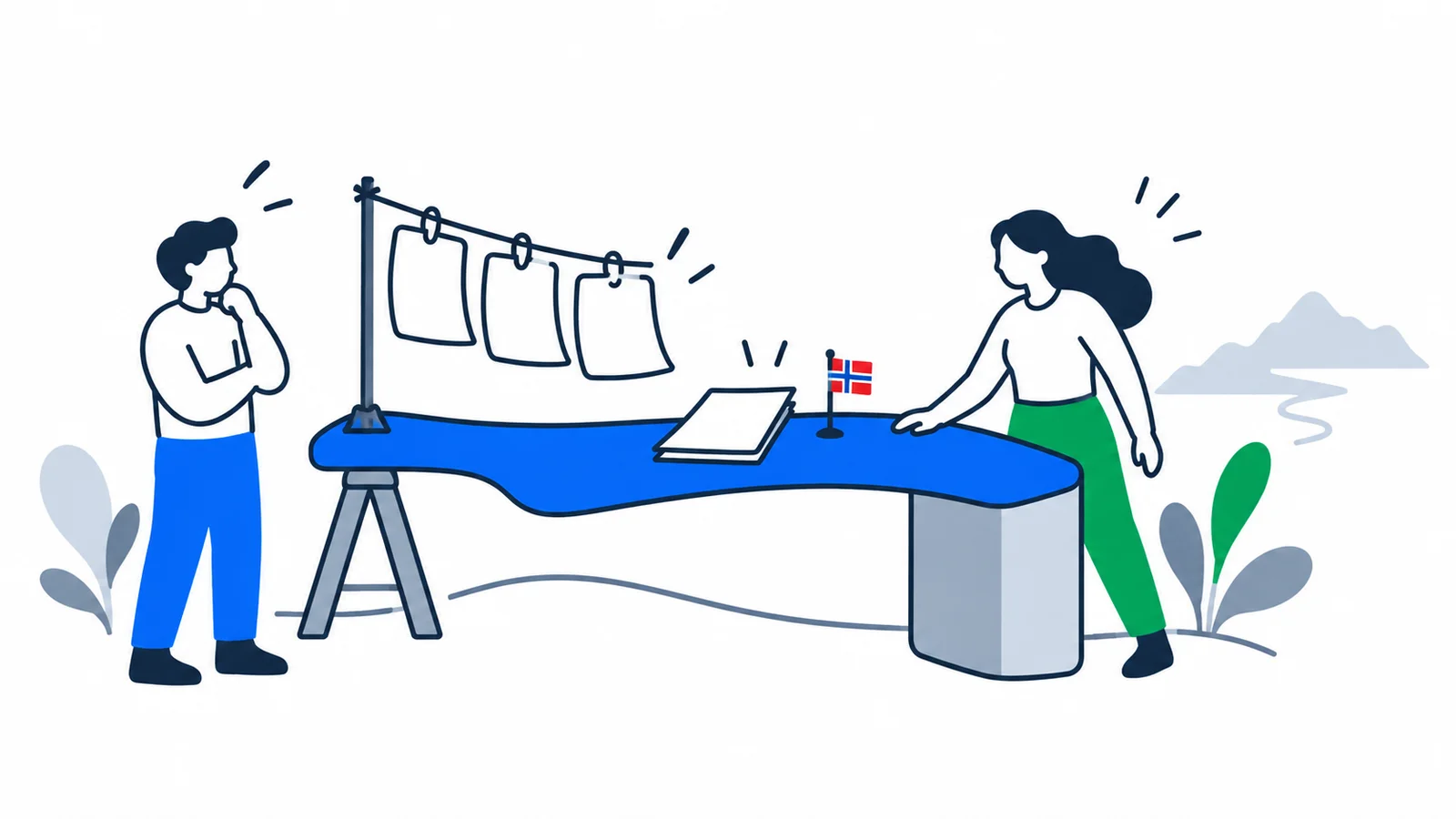


A trade union negotiates pay and working conditions on your behalf and supports you in a dispute. Through collective agreements and the tripartite cooperation between the state, employees and employers – "the Norwegian model" – a safe and organised working life is secured. Your membership fee also gives you a tax deduction.
What is a trade union – and what does it do?
A trade union is an organisation of employees who join together to improve pay and working conditions. The idea is simple: alone you have little power against your employer, but together you stand much stronger. The union speaks for you both at your individual workplace and in the major wage settlements.
Among other things, a trade union:
- negotiates pay, working hours and other terms with the employer
- helps you if you are dismissed, laid off or treated unfairly
- provides legal assistance and advice in labour disputes
- often has a shop steward (tillitsvalgt) at your workplace you can turn to
In Norway, employees are organised in four large confederations: LO (the Norwegian Confederation of Trade Unions, the largest), Unio, YS and Akademikerne. Each of them brings together many unions for different occupations – from health workers and teachers to engineers and shop staff. You choose the union that fits your profession.
Collective agreement: what it secures for you
A collective agreement (tariffavtale) is a written agreement between a trade union and an employer (or an employer organisation) on pay and working conditions. It is one of the most important benefits of being organised, and it often applies to all staff at the workplace – not only the members.
A collective agreement can secure you, among other things:
- an agreed minimum wage and fixed pay supplements
- supplements for evening, night and weekend work
- clear rules for overtime, breaks and working hours
- better occupational pension and insurance than the legal minimum
- orderly and predictable processes in dismissals and downsizing
Norway has no general statutory minimum wage. In certain sectors – such as construction, cleaning and hotels – parts of the collective agreement have nonetheless been made generally applicable, so that a minimum wage applies to everyone working there. Read more about the minimum wage in Norway and what must always be in an employment contract.
The Norwegian model and the tripartite cooperation
"The Norwegian model" is a term for the way working life is governed in Norway. It is built on close cooperation between three parties: the state, the employees (the unions) and the employers. This is called the tripartite cooperation.
On the employer side you find, among others, NHO (the Confederation of Norwegian Enterprise, the largest), Virke, KS (which organises the municipalities) and Spekter. These negotiate with employee organisations such as LO, Unio, YS and Akademikerne.
The cooperation has deep roots. It began in earnest with the Basic Agreement of 1935 (Hovedavtalen) between LO and the employers, often called "the constitution of working life". The state contributes shared rules and bodies such as Riksmekleren (the National Mediator), who mediates when the parties do not reach agreement in wage negotiations, and the Government's Contact Committee (Regjeringens kontaktutvalg). The result is a working life with relatively few strikes, small pay differences and high trust between the parties.
Around half of Norwegian employees are union members – about 50 percent (Fafo, 2023). The share is clearly higher in the public sector (around 80 percent) than in the private sector (under 40 percent). The fact that so many are members is an important reason the model works.
Why join – and the union fee deduction
As a member of a trade union you get several benefits:
- Pay and protection: someone negotiates pay and conditions on your behalf.
- Support in a conflict: help and often financial support if you have to go on strike.
- Legal help: assistance with dismissal, pay disputes, occupational injury or conflict.
- Insurance and member benefits: often favourable home, travel and other insurance, plus discounts.
You pay a membership fee (kontingent), often around 1–1.5 percent of your salary. The good news is that you get a tax deduction for the fee. For the income year 2026 you can deduct up to 8,700 kroner – up from 8,250 kroner the year before. If you were a member only part of the year, the maximum amount is reduced proportionally. The amount is usually entered automatically in your tax return if the union reports it, but always check that the figure is correct.
If you want to know more about what you are entitled to at work, read the guide on employees' rights.
How to join
Becoming a member is easy and takes only a few minutes:
- Find the right union for your profession, ideally within LO, Unio, YS or Akademikerne. Most occupations have their own union.
- Join online via the union's website, usually with BankID.
- State your employer and position so you are linked to the correct collective agreement.
- The fee is often deducted automatically from your salary, or paid by invoice.
- Get to know the shop steward at your workplace – that is the person you turn to day to day.
You can join at any time, also as a newcomer to Norway. You do not need to wait until you have a permanent job: temporary employees, part-time workers and apprentices can also become members. Organising is one of the safest investments you make in your working life.