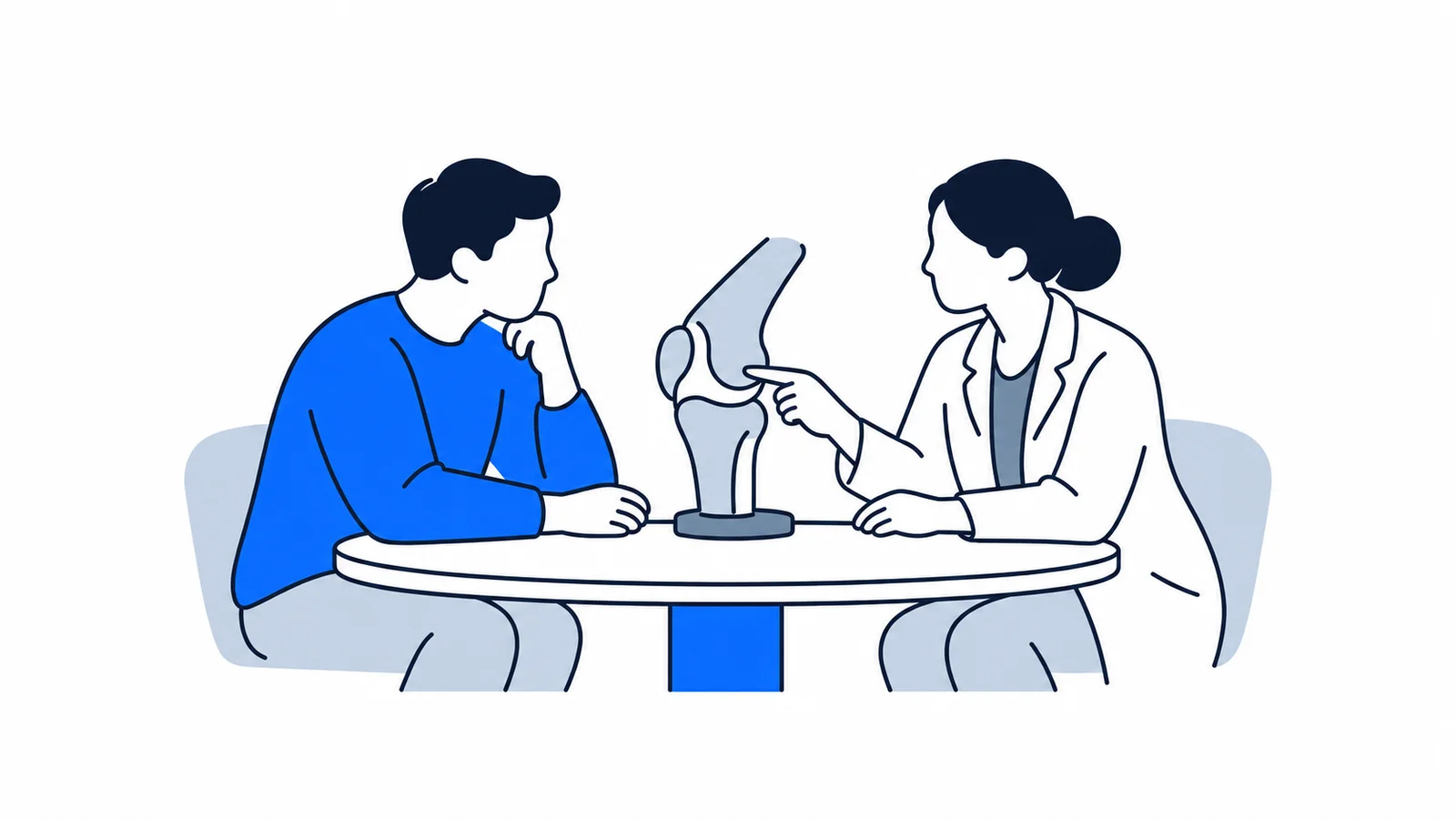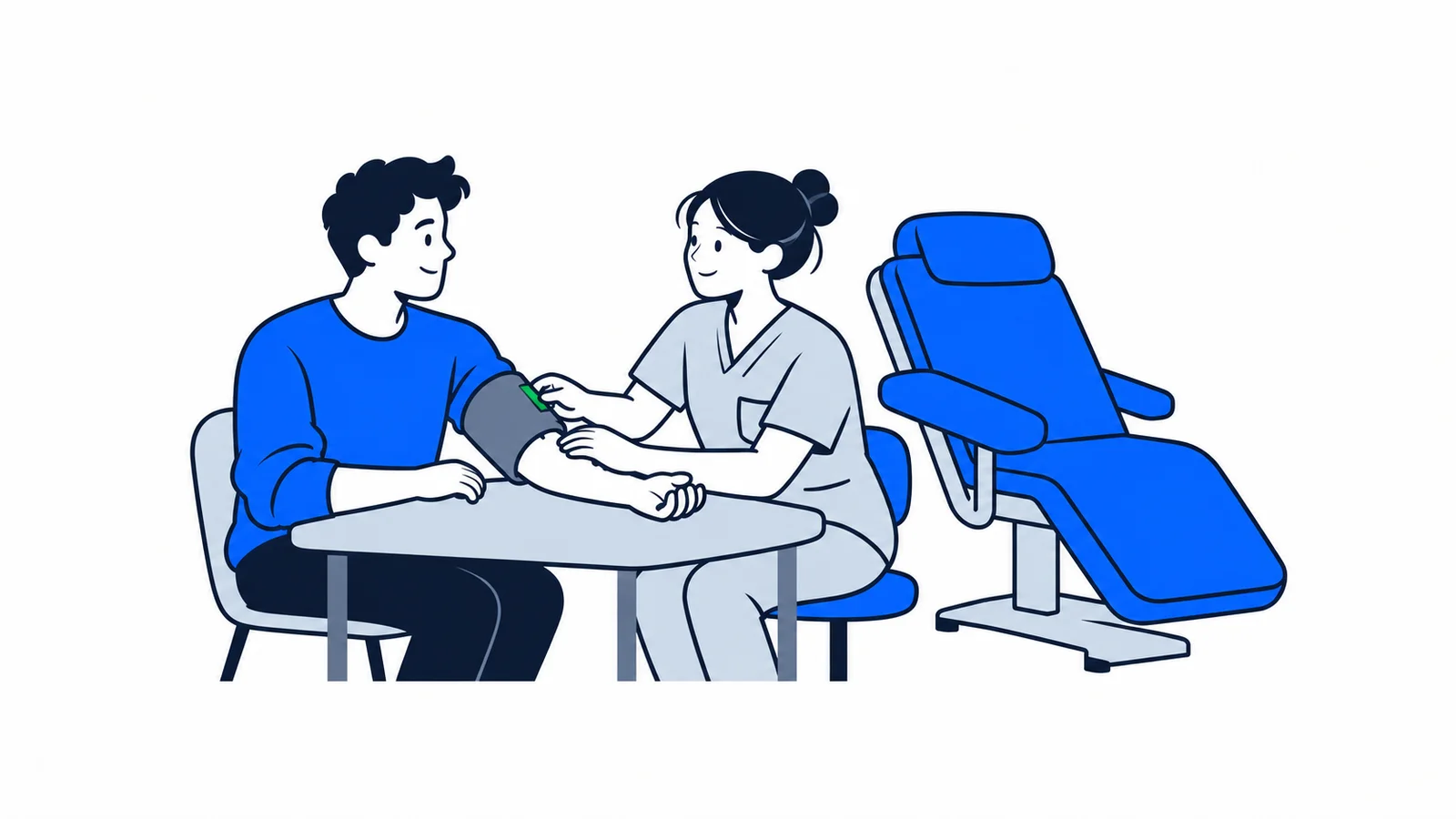

You can register as a blood donor through GiBlod.no or contact a blood bank. The blood bank assesses whether you can donate. Registration is not approval. Check language and identification requirements, and what happens at the first appointment, before attending.
How do you register as a blood donor?
Choose a blood bank or donation centre you can return to. Helsenorge provides access to registration and a list of blood banks. Helsenorge is the public health portal.
You can also contact the blood bank directly. This is useful if you have questions about language, identification documents or your health. Use the contact details on the hospital's or blood bank's own website.
A simple order is:
- Find a donation centre with a suitable location and opening hours.
- Read the information for new donors.
- Clarify questions that may affect whether you should register.
- Register and check your phone number and email address.
- Follow the blood bank's instructions about the next step.
If you have registered without receiving a reply, Røde Kors recommends contacting the blood bank you chose. Røde Kors, the Norwegian Red Cross, runs GiBlod.no. Do not turn up without an appointment expecting to donate immediately. The blood bank schedules appointments according to need and capacity.
SamfunnPrep also has articles about Norwegian services and everyday life. This guide concerns blood donation by living donors, not registering a wish to donate organs.
Who can be assessed as a blood donor?
The general rule is that you are healthy, between 18 and 60 years old and weigh more than 50 kilograms. This is not a complete eligibility test. The blood bank must also assess matters such as illnesses, medicines and infection risk.
Helsedirektoratet, the national health authority, explains that first-time donors over 60 can be assessed by the blood bank's doctor. Do not assume that an exception applies to you until the blood bank has clarified this.
Describe your health as it actually is. If you take medicines, write down their names and why you take them. Do not stop necessary treatment in order to donate blood. Ask the blood bank to assess the information, and discuss treatment questions with the doctor treating you.
Blood donation is voluntary and unpaid. Any small gift from the blood bank is not a wage. You can change your mind. Universitetssykehuset Nord-Norge explicitly states that you may withdraw without giving a reason.
Do you need to speak Norwegian and have a national identity number?
Check language and identification requirements with the particular blood bank. Do not assume that an answer from one blood bank applies everywhere.
Sykehuset i Vestfold states that you need a Norwegian national identity number and enough Norwegian to understand the form and the conversation. Other places may have their own arrangements.
Blodbanken i Oslo describes an English-language service at Ullevål sykehus. There, you must have a good command of both spoken and written English, a Norwegian national identity number and approved identification. The blood bank assesses whether communication works. This is not a promise of English-language blood donation at every Norwegian hospital.
If you have a D number and foreign identification, ask before registering. Universitetssykehuset Nord-Norge describes a possibility involving foreign identification and information from Folkeregisteret, the National Population Register. Ask the blood bank to confirm which documents it needs in your case.
One possible question is: “I have a D number and this identity document. Can you assess me, and what should I bring?” Also explain which language you can use for a detailed conversation. A translated online article does not replace the blood bank's communication requirements.
What happens at the first appointment?
The first appointment may involve registration and a health assessment without a regular blood donation. Ask what your particular appointment is for.
Universitetssykehuset Nord-Norge describes an initial confidential conversation, a form, blood samples and a blood pressure check. The donation itself is arranged only after the assessment and test results have been approved.
Waiting times vary. Vestfold states that it usually takes about four weeks after samples are taken. Akershus universitetssykehus states four to six weeks after the registration appointment, if everything is in order. These are local examples, not a national waiting time or a guarantee of an appointment.
Bring the identification the blood bank has requested. It may help to bring a short list of questions. If you are afraid of needles or have previously felt unwell during blood tests, say so before the examination starts.
Why does the blood bank ask about private matters?
The questions are intended to protect both you and the person receiving the blood. Staff have a duty of confidentiality. You can ask why a piece of information is needed and request an explanation if you do not understand a question.
Akershus universitetssykehus explains that tests cannot detect every infection at its earliest stage. The blood bank does not test for everything either. Honest answers about health, travel and other matters are therefore important even when blood samples are also taken.
Prepare information about, for example:
- medicines, illness and treatment
- travel abroad, including places and dates
- previous extended stays in other countries
- tattoos, piercings or recent dental treatment
- other matters asked about on the blood bank's form.
Use the blood bank's current form. If you have a fever, respiratory symptoms or have recently been ill, contact the blood bank before attending. It will clarify when a new appointment might be suitable.
Can old information about rejection be outdated?
Yes. Rules and recommendations can change. Ask the blood bank if you were previously rejected and would like to explore the possibility again.
Helsedirektoratet's updates, checked on 2 November 2026, give a specific example: the old rule about extended stays in the United Kingdom in 1980–1996 was withdrawn on 12 June 2025. Other criteria must still be met.
The old medicines list was also withdrawn in June 2025, and the old diseases list in March 2026. This means the lists have been replaced as the basis for assessment, not that all medicines and illnesses are now accepted. Travel notices can change too. Give your destinations and dates and let the blood bank check the current rules.
How do you prepare for the donation itself?
Follow the blood bank's advice and allow time for the conversation, donation and rest. Helsenorge recommends eating within the previous three hours, drinking plenty and arriving well rested.
A regular blood donation is about 450 millilitres. Rest for 10–15 minutes afterwards and avoid strenuous physical activity for the first 24 hours. Tell staff immediately about discomfort or severe or unusual pain.
Contact the blood bank if you become ill in the days immediately after donating. Also get in touch if you remember important information you forgot to give. Checks during blood donation do not replace a health check with a doctor.
You can use SamfunnPrep's practical tools to get to know Norwegian services. For approval and your next appointment, contact the blood bank.