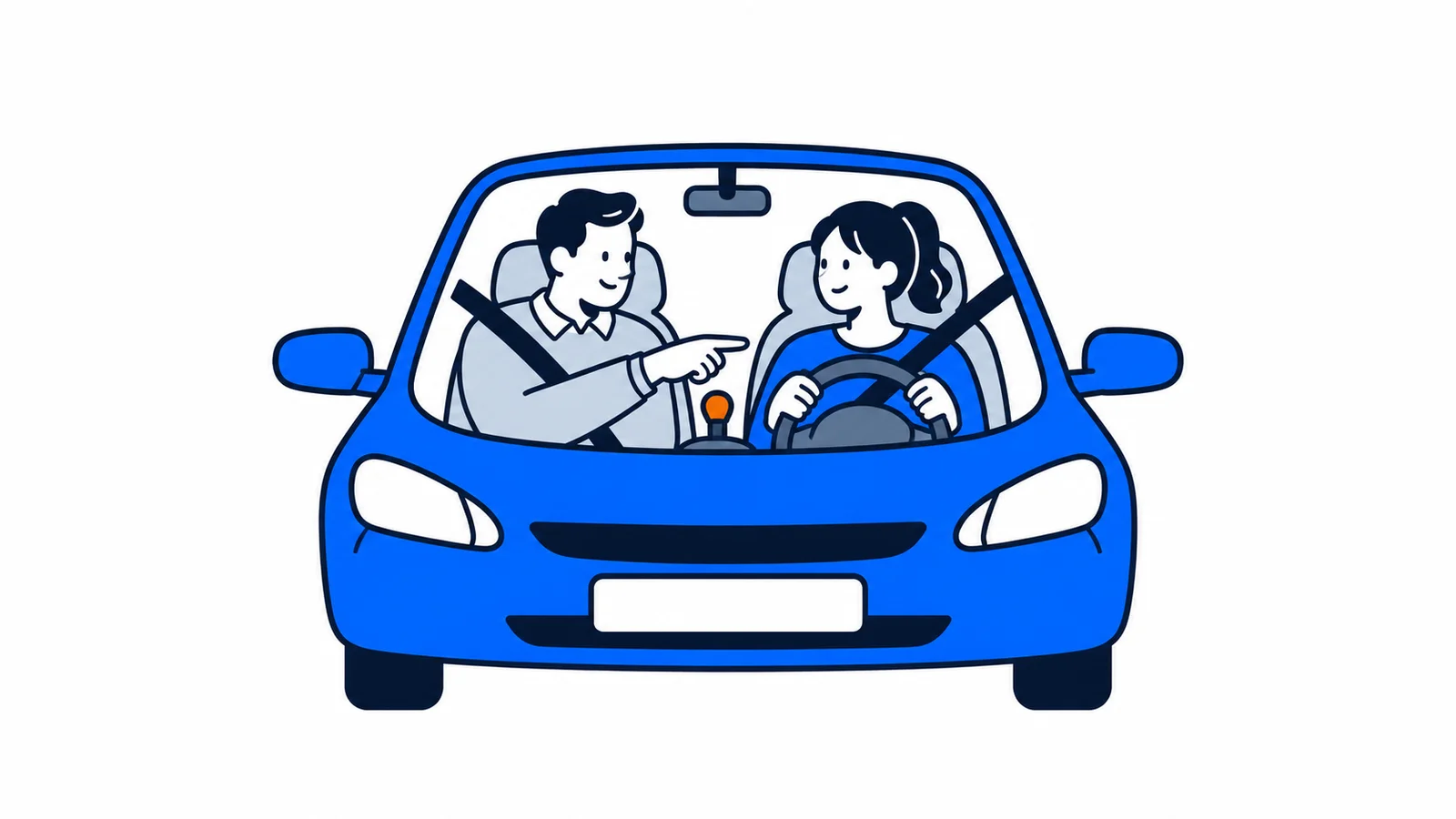

Choose a driving school in Norway by checking its approval with Statens vegvesen and comparing teaching and terms. Clarify the language, instructor and lesson content before buying a package. Ask for a plan suited to your experience and needs.
How do you find an approved driving school?
Use Statens vegvesen’s list of approved driving schools. Check that the school offers the licence category and training you need.
Statens vegvesen is the agency responsible for matters including driving licences and driving tests. Its Finn godkjent trafikkskole service, for finding an approved driving school, lists suitable schools. The interactive service requires JavaScript in your browser. This information was checked on 13 October 2026.
The agency explains that only approved training providers can offer driver training. See approval and supervision of driver training. Do not choose a provider simply because it has a professional website.
For a passenger car, search for category B training. Clarify whether the school offers automatic transmission, manual transmission or both. Ask directly about availability and language; registration does not necessarily answer these needs.
On SamfunnPrep you can read about the driving licence pathway from the introductory course to the practical test. This article concerns choosing a provider and working well with the instructor.
What experience and needs should you describe?
Tell the school about previous driving, completed courses and what you want to learn. If you have a foreign driving licence, first clarify which Norwegian requirements apply to you.
Do not buy an entire training programme before checking whether you need it. Ask Statens vegvesen about the rules for your licence if you are unsure. The school needs to know whether you are starting from scratch or practising for a particular test.
Say whether you can practise privately between lessons. Say where and when you can meet and how often you can realistically take lessons. A plan requiring more time than you have may be difficult to follow.
If you need particular adjustments, describe your needs specifically. These might include calm explanations, regular lesson times or written summaries. Ask what the school can actually offer and whether this affects the price.
Can you get an instructor who speaks your language?
Ask which language the particular instructor can teach in. An English-language website does not confirm that driving lessons or all courses are held in English.
Use a clear enquiry: “I would like driving lessons with explanations in English. Which instructor offers this? Does it also cover compulsory courses? Can I get important information in writing?”
Clarify whether the instructor can only explain individual words or can teach the whole lesson in the language. Also ask to be told if you get a substitute. It is useful to know whether the language service belongs to the school or one particular person.
The teaching language and the language of the official test are separate questions. Check test arrangements with Statens vegvesen. Do not assume a language service at the school automatically applies to the test.
You can make a small glossary with your instructor. Ask for explanations of words often used in the car. The aim is to understand instructions and explain what you are assessing in traffic.
What should you ask before the first lesson?
Clarify the instructor, meeting point, duration and content before booking. Ask for an assessment of your needs before committing a lot of money to a package.
You can send this message:
“I would like to get a category B licence with [automatic/manual transmission]. I have [brief experience] and would like instruction in [language]. Do you offer an assessment lesson? Please state the duration, price and meeting point. I would also like written terms and information about lesson availability going forward.”
An assessment lesson here means a lesson to establish your experience and further needs. It is not a promise of how many lessons you will ultimately need. Ask the instructor to explain what the assessment is based on.
Ask whether you normally get the same instructor. Clarify how to book and reschedule lessons. A meeting point near home is useful, but should be considered alongside lesson content and the areas where you practise.
How do you compare prices and packages?
Compare the same duration, teaching and included services. A low price per lesson or a large package alone does not tell you what the entire training will cost.
Ask schools to explain these points:
| Item | What to compare |
|---|---|
| Driving lesson | Duration, content and time |
| Courses | Which parts are included and which are bought separately? |
| Transport | Travel to courses and any surcharges |
| Practical test | School car and any lesson before the test |
| Package | Content, validity and unused lessons |
| Changes | Cancellation and rescheduling |
Ask whether the stated lesson means a particular amount of teaching or another time period. Ask how the time is used. Do not convert prices without knowing the content.
SamfunnPrep has a separate guide to driving licence costs and budgeting. Use it to identify costs and ask the school for a current quote. An old price list is not a binding offer to you.
Before buying a package, read what happens to unused lessons. Clarify the expiry date, interruptions and refunds. Also ask which parts may cost extra if your needs turn out to be greater than expected.
What does a useful learning plan look like?
A useful plan shows what you can do, what you need to practise and when you will assess progress. Ask for specific goals rather than just a number of lessons.
After a lesson, you can ask:
- What went well today?
- What do I need to practise more?
- What is the goal for the next lesson?
- Which tasks can I practise privately?
- When will we assess whether the plan needs changing?
These are questions to use when working together, not a separate official test. The instructor must assess your driving and explain the need for further teaching. You can also ask for clear examples when an assessment is difficult to understand.
Note brief feedback after the lesson. If you practise privately, share relevant advice with the person accompanying you. Clarify with the instructor which exercises suit your level. Avoid private practice and teaching pulling in different directions.
What if working with the instructor is not going well?
Raise specific problems early and ask for a possible change. If you are considering changing instructor or school, clarify your training and finances before proceeding.
Write down what you need changed: language, pace, timing or clearer explanations. Ask the school to explain how it can resolve this. This kind of question may be easier to handle than a general complaint about every lesson.
Before any change, ask for an overview of completed training and what has been registered. Ask the new school what it needs and which parts it must assess itself. Also clarify payment for booked lessons and unused parts of a package.
Keep the price list, terms, payments and written messages. If you disagree with an invoice, show which lessons or terms the issue concerns. Ask for a written response from the school.
Use SamfunnPrep’s tools for practical tasks as a starting point for keeping track of agreements and deadlines. SamfunnPrep helps you with social studies and understanding everyday life; you arrange driver training with an approved driving school.