
A proposal on extended child benefit (utvidet barnetrygd) in 2026 could prevent both parents from receiving the full benefit when their children live separately with each parent. The proposal is open for public consultation and is not law as of 22 September 2026.
Extended child benefit proposal: what could change?
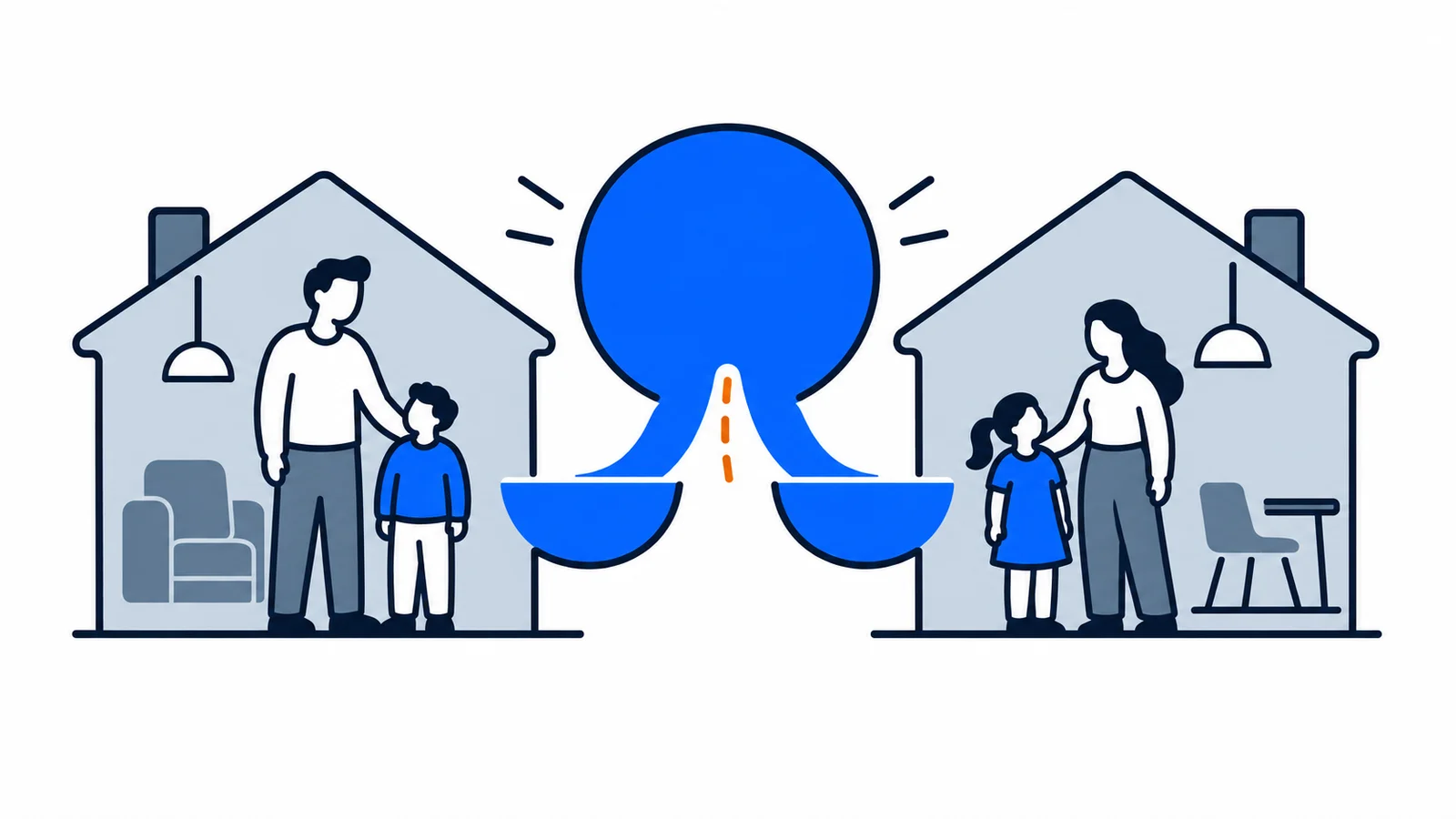
The proposal on extended child benefit concerns a specific situation following a separation. The parents have several children together, with at least one child living permanently with each parent. The current rules can allow both parents to receive the full extended child benefit.
Barne- og familiedepartementet proposes that the parents should instead share one extended child benefit payment. Each parent would then receive half the full rate if both meet the eligibility requirements.
The proposal was put out for public consultation on 18 September 2026. The consultation deadline is 11 December 2026. As of 22 September 2026, Stortinget has not passed the change, and no date has been set for any new rule to take effect.
SamfunnPrep also provides a comprehensive explanation of child benefit (barnetrygd) in Norway in 2026. It explains the difference between ordinary and extended child benefit.
What does “double receipt” mean in the proposal?
Here, double receipt means that two parents can each receive the full extended child benefit for the same children they have together. It does not mean that the same parent receives support twice for the same child.
An example makes the distinction clear. Two parents have two children together and have separated. Child A lives permanently with the mother, and child B lives permanently with the father. Each parent lives alone with their child.
| Situation | What the current rules allow | The proposal |
|---|---|---|
| Mother receives extended child benefit | 2 572 kr | 1 286 kr |
| Father receives extended child benefit | 2 572 kr | 1 286 kr |
| Combined monthly total | 5 144 kr | 2 572 kr |
The amounts in the example are the rates in effect from 1 February 2026. The proposal could therefore reduce the combined extended child benefit by 2 572 kroner per month in this particular type of case.
The standard ordinary child benefit (ordinær barnetrygd) is a separate benefit paid for each child. The proposal does not say that ordinary child benefit for one of the children would be withdrawn.
Who could be affected?
The main group that could be affected is parents with several children together who have arranged for the children to live separately in their two homes. At least one of their shared children must live permanently with each parent, and both parents must otherwise meet the eligibility requirements for extended child benefit.
The proposal does not apply to all parents who share the care of their children. If a child has shared permanent residence with both parents, the parents normally split the child benefit under the rules for shared permanent residence. If all the children live permanently with one parent, that is also a different situation.
What matters is the formal residence arrangement and the family's actual circumstances. Contact with a child is not the same as shared permanent residence. You can read more about contact arrangements, permanent residence and child maintenance.
The proposal may be particularly relevant to families who have recently moved to Norway. Agreements from another country may use different terms from Norwegian agreements. NAV must nevertheless assess which parent the children live with permanently and whether the requirements under Norwegian rules are met.
Which rules apply during the consultation?
The current rules still apply as of 22 September 2026. NAV cannot reduce your benefit simply because the ministry has put a proposal out for consultation.
You should therefore not submit a new application or end a benefit solely because of the proposal. You must still notify NAV if your circumstances actually change, for example if:
- you get married or start living with a partner
- a child moves in with the other parent
- you make a new agreement on permanent residence
- you or your child move abroad
- employment circumstances in another EEA country change
NAV can require you to repay money if you have received too much because important changes were not reported. A consultation in itself, however, is not such a change.
How much is extended child benefit in 2026?
The full extended child benefit is 2 572 kroner per month from 1 February 2026. Half the extended child benefit is 1 286 kroner per month. The benefit is tax-free.
You can only receive one extended child benefit payment, even if several children live with you. It is paid in addition to ordinary child benefit. Single parents with children under three may also be entitled to the young child supplement (småbarnstillegg) when they receive the full transitional benefit (overgangsstønad).
The rules for transitional benefit for single mothers or fathers have changed in 2026. This is a different benefit from extended child benefit. Advance child maintenance payments (bidragsforskudd) in 2026 are also a separate scheme.
How do you apply under the current rules?
You must apply to NAV for extended child benefit. The documents you need depend on your family circumstances.
NAV may ask for documents such as:
- a separation or divorce certificate
- a mediation certificate following a separation
- a declaration that spouses have lived apart for at least six months
- a signed agreement on shared permanent residence
- a court ruling if the court has decided where the child should live
In cases of shared permanent residence, both parents must apply if the child benefit is to be split. The agreement must state which children it covers, the date it takes effect, and that the child has shared permanent residence.
Can you submit a consultation response?
Anyone can submit a consultation response by 11 December 2026. You do not need to belong to an organisation or be on the ministry's list of consultees.
Consultation responses are submitted through the online service at regjeringen.no. Responses are normally made public. Do not include national identity numbers, children's health information or other unnecessary personal information.
After the deadline, the ministry reviews the responses. The government may amend the proposal, drop it or submit a bill to Stortinget. The rule only becomes binding once it has been adopted and its entry into force has been announced.
What should you do now?
Continue to follow the decision you have already received from NAV. Keep agreements on permanent residence, mediation certificates and other documents that show your family circumstances.
Check messages from NAV, but be sceptical of social media posts claiming that the benefit has already been cut. SamfunnPrep distinguishes between proposals and adopted rules so that you can see what actually applies on the date you are reading.
Many Norwegian welfare schemes are also covered in the social studies test (samfunnskunnskapsprøven). Try SamfunnPrep for free to practise questions on rights, family and welfare in Norway.