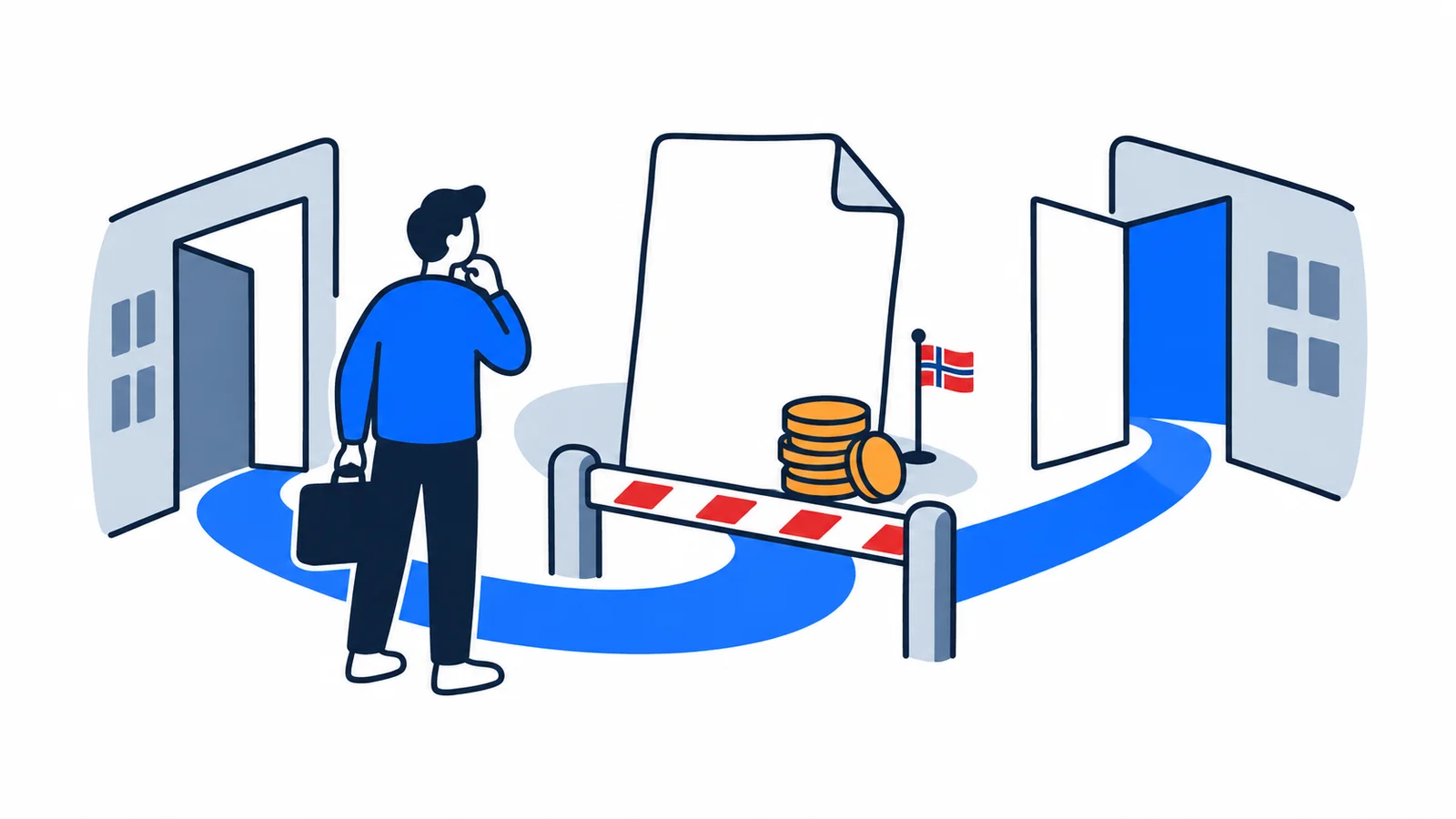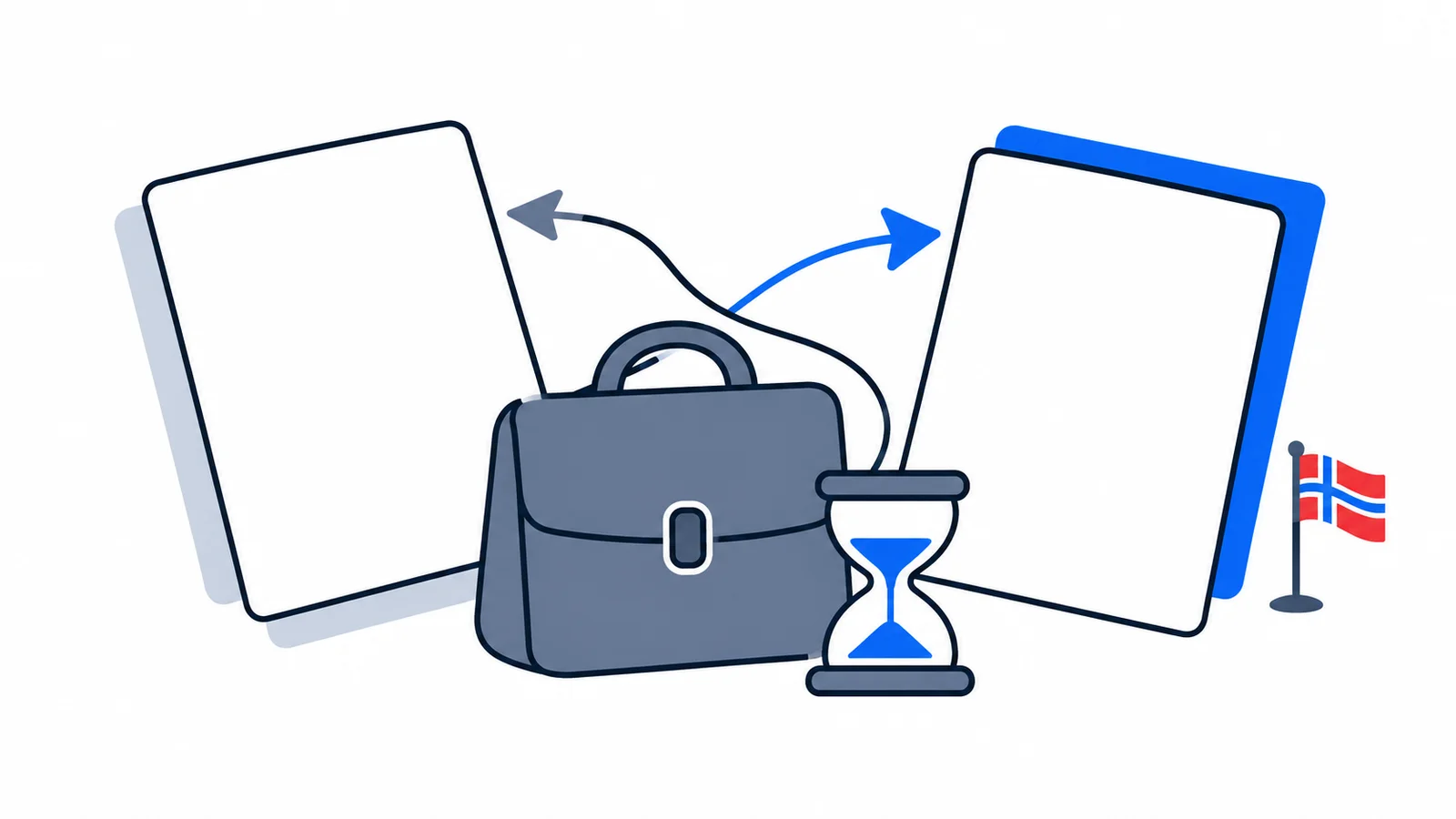


A probation period in Norway must be stated in writing in the employment contract. It normally lasts no more than six months, and a dismissal during probation must have a lawful reason. You still have rights, training and a clear notice period.
What does a probation period mean in Norway?
A probation period in Norway is an initial period in a new job. You and your employer are to find out whether the job is suitable. The employer can assess how you learn the work, cooperate and keep agreements. At the same time, you can assess the tasks and the workplace.
A probation period does not mean that the employer can end your job without a reason. The rules are in the Working Environment Act, and they also apply when you are new to Norway. It is a good idea to learn about Norwegian work culture and expectations at work from your first day.
What must be in the employment contract?
A probation period applies only when you have agreed to it in writing in the employment contract. The agreement must also say how long the probation period lasts. If the contract has no such agreement, you do not have a probation period simply because the employer calls the first months a trial period.
Read the contract before you sign it. Look especially for:
- the start date and end date of the probation period
- whether the job is permanent or temporary
- the percentage of a full-time position and your work tasks
- the notice period
- wording about a possible extension in the event of absence.
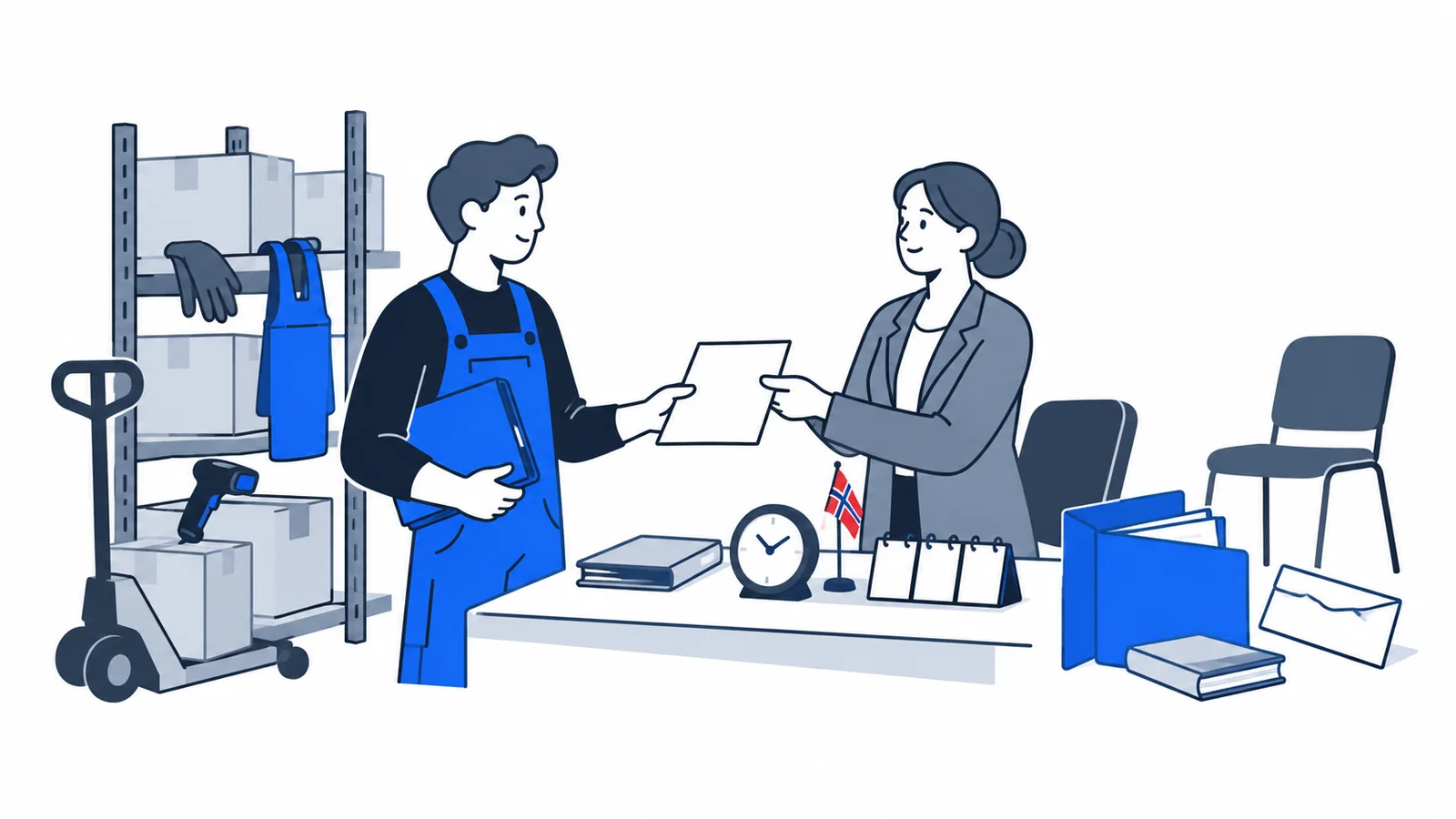
The employer must give you the necessary training. Ask for guidance early if you do not understand a routine or a safety requirement. This makes it easier to succeed during probation and provides a clear basis if there is later a disagreement.
How long can a probation period last?
A probation period can normally not last longer than six months. This is an upper limit, not a rule that every job must have six months. A shorter period can be agreed.
For a temporary job, the limit is stricter: the probation period cannot be more than half of the entire employment period. If you have a contract for four months, the probation period can therefore be a maximum of two months. If you have a contract for ten months, it can be a maximum of five months. The ordinary six-month limit still applies as a ceiling.
You should not automatically receive a new probation period when you get a new contract with the same employer either. A new probation period cannot be agreed if you continue in the same, or a substantially similar, position. When permanent employment follows earlier work with the same employer, the total earlier employment time and the new probation period cannot exceed six months either. This is important when a temporary job becomes permanent.
Can the probation period be extended because of absence?
Yes, but only under clear conditions. The employer can extend an agreed probation period by the same number of days that you have actually been absent from work. This can, for example, be relevant in the event of illness or other absence caused by you.
Two written requirements must be met. First, when you were hired, the employer must already have informed you in writing that the probation period may be extended in the event of absence. Second, you must receive written notice of the extension itself before the original probation period ends. If either requirement is missing, the employer cannot extend the probation period in this way.
The employer cannot extend the probation period when the absence was caused by the employer. Keep the contract and all written messages. If you are unsure, you can ask an employee representative, a trade union or the Norwegian Labour Inspection Authority for guidance.
Can you be dismissed during the probation period?
Yes, but a dismissal during probation must be connected to adaptation to the work, professional competence or reliability. For example, it may be that you do not learn necessary work tasks after reasonable training, or that you do not come to work without a valid reason. A probation period is not a free pass to dismiss someone because the employer changes their mind.
The special rule for probation applies only if the notice of dismissal is given before the agreed probation period has ended. The employer may still use the ordinary dismissal rules, but then the ordinary requirements of the Working Environment Act apply. Also read how to resign from a job in Norway if you are considering leaving yourself.
In a difficult situation, ask to receive the reasoning and important messages in writing. Do not sign an agreement to leave before you understand its contents. An employee representative or trade union can often help you assess the case.
Dismissal and the 14-day notice period
When you have a written agreement on a probation period, the ordinary notice period is 14 days for both you and the employer. You may have agreed a different period in writing, and a collective agreement may also have its own rules.
The 14 days are counted from the date the notice of dismissal is received by the other party. The period therefore does not automatically start on the first day of the next month, as it often does after the probation period. If you receive a notice of dismissal on 10 May, a 14-day period runs from 10 May. The notice must nevertheless be given before the probation period ends for the probation rule to be used.
Also check working hours, breaks and overtime while you are new. The rules on working hours and overtime apply during probation in the same way as otherwise. On the first-week checklist from SamfunnPrep, you can collect the most important things to arrange when you start a job.
How to follow up during the first months
The safest approach is to be active and organised. Agree what you are to learn, ask for feedback and speak up early if something is unclear. Write down dates for training, meetings and important messages. Then it becomes easier to show what has actually happened.
SamfunnPrep explains rules in Norway in simple language. Many rules about work and rights can also be useful when you practise for the social studies test. Ready to practise? Try SamfunnPrep for free.
Sources
- Norwegian Labour Inspection Authority: employment and dismissal, checked 12 July 2026.
- Lovdata: Working Environment Act §§ 14-6, 15-3 and 15-6, checked 12 July 2026.