
Places with a story
Pantdalssetra
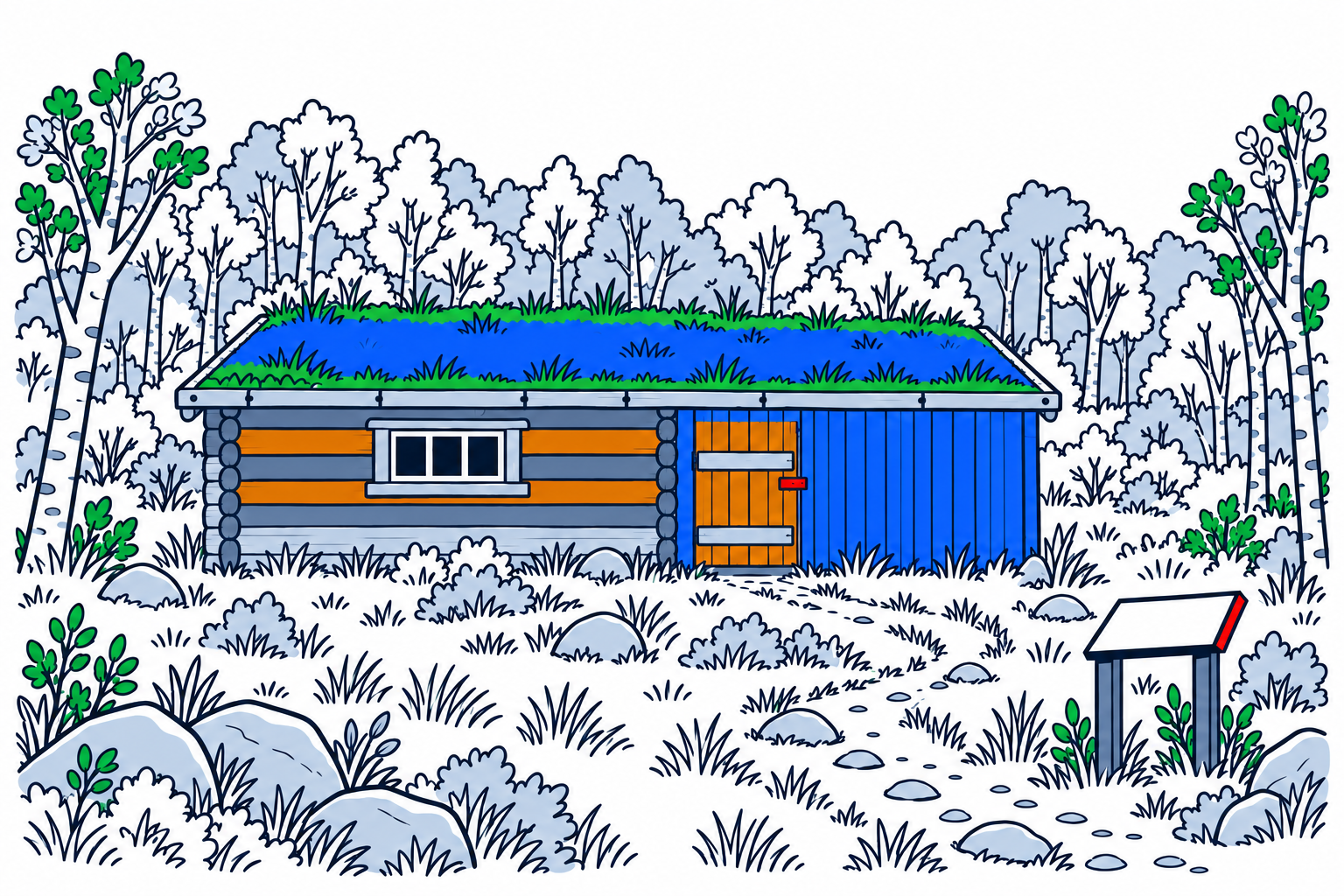
Pantdalssetra preserves a small but revealing part of Hattfjelldal’s mountain farming history. The restored summer farm connects today’s walk into the landscape with former grazing, haymaking and the transport of resources back to a valley farm.

The place12
Helgeland Museum presents the site as an example of historical use of the mountain outfields. It has restored the building and provides an information board. The summer farm is associated with Tjønna, showing how the working territory of a farm extended beyond its permanent buildings and cultivated land.
History and local connections2
Hattfjelldal's draft plan for outdoor walking routes records that Per Klemetsen, who established the farm at Tjønna, built the summer farm. It also describes an old path used by horses and cattle and haymaking on wetland meadows. Hay was transported down in winter through Trondhjemslia. These details explain the site through farming work and transport, beyond its picturesque appearance.
What to look for12
The building and its setting help visitors imagine a farming year divided between the valley and seasonal mountain use. Read the information board alongside the landscape: grazing and haymaking relied on terrain beyond the farmyard. The municipal planning document links the old transport route with the wider Nordlandsruta network, while some other route connections appear only as proposals.
Planning a visit1
The easiest walking route starts from Ørjedalen. The walk takes approximately one hour from the road. Contact Helgeland Museum for current maps and route advice; its local visitor service is located in Fjellfolkets Hus. Some proposed trails have not been completed. The restored farm building should not be assumed to offer accommodation. Check the weather, terrain and available daylight before this walk.
Sources
Last checked:
More places in Nordland


SamfunnPrep
Discover Norway. Prepare for the test.
Practice questions, clear explanations and mock exams.