
Krytyka źródeł oznacza sprawdzenie, kto stoi za informacją, dlaczego ją stworzono i czy jest poprawna. Krytyczne myślenie to szersza zdolność oceniania informacji, zanim zdecydujesz, w co wierzyć.
Czym jest krytyczne myślenie?
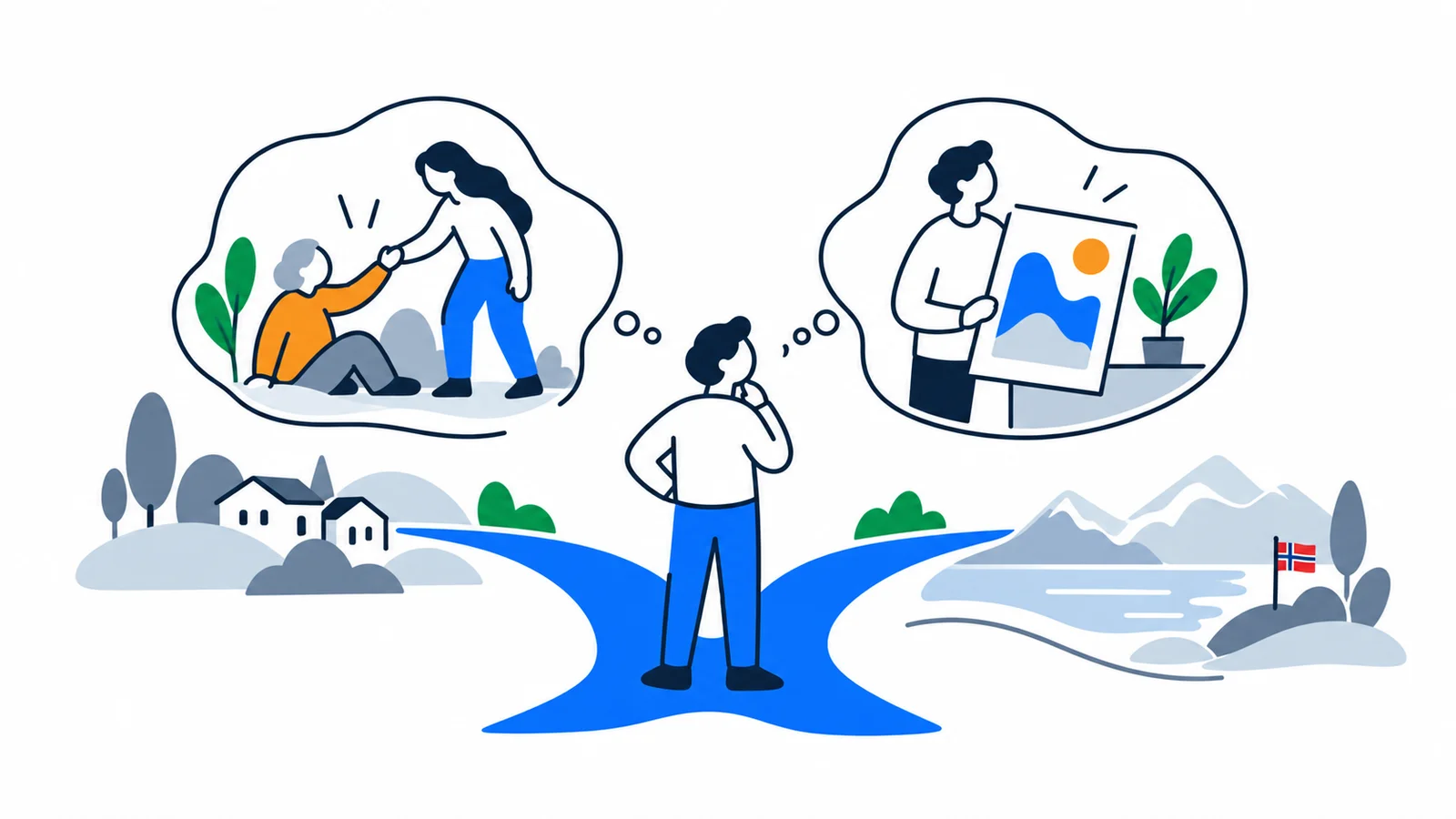
Critical thinking / kritisk tenkning means analysing and evaluating information so you can form well-founded opinions. In LK20, Utdanningsdirektoratet says pupils should be curious, ask questions, develop scientific and critical thinking, act with ethical awareness, and assess different sources of knowledge. This is useful when you read news, advertising, workplace rumours, TikTok videos or advice from friends.
It is also linked to ethics and trust. Read more in the guide to norweskich wartościach i niepisanych zasadach.
Czym jest krytyka źródeł — i czym się różni?
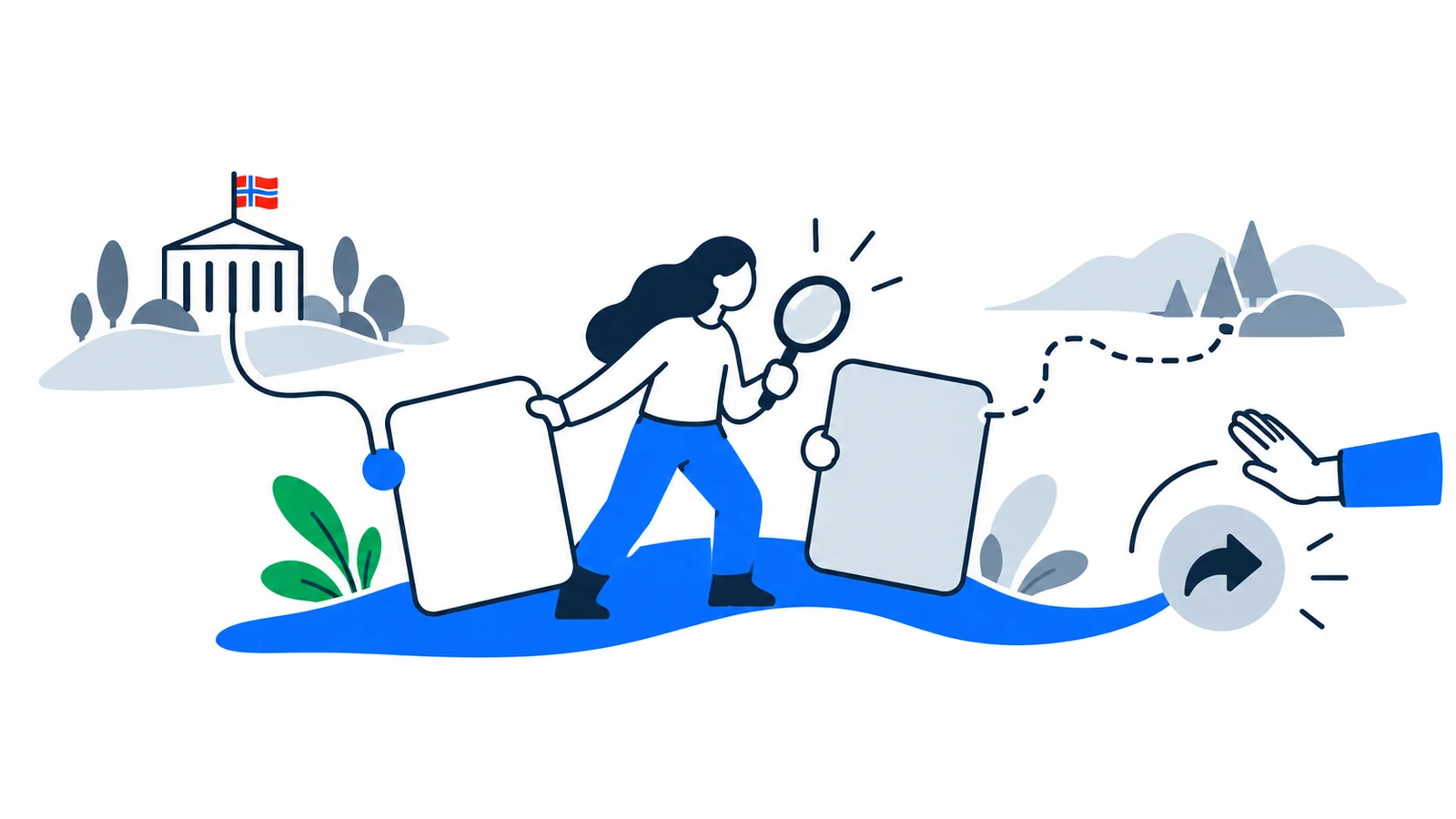
Source criticism / kildekritikk is one method inside critical thinking. You assess a concrete source: a text, video, account, website, report or person.
The three key questions are:
- Who wrote or published this?
- Does the sender have a special agenda?
- Is the information correct?
Critical thinking is the broad skill. Source criticism is the practical tool you use to decide whether a source is trustworthy. Online this matters because anyone can publish without editorial control.
Cztery pytania, które zawsze warto zadać
| Question | What to check |
|---|---|
| Who wrote this? | Name, role, organisation, contact information or anonymous account. |
| Does the sender have an agenda? | Selling, political influence, fear, clicks or defending a cause. |
| Is the information correct? | The same facts in other independent and reliable sources. |
| When was it published? | Old information can be historically correct but wrong as advice today. |
Check at least two independent reliable sources before sharing something that can affect others, especially health, money, laws, war, elections and immigration. For samfunnskunnskapsprøven, use checkable sources as explained in najlepszych stronach do przygotowania.
Kto to napisał — i czy ma agenda?
An agenda means the sender has a goal beyond neutral information: selling a product, influencing a vote, creating fear, collecting clicks, creating anger or defending an organisation. Warning signs include no clear author, one-sided presentation, dramatic headlines, claims without primary sources, advertising that looks like news, or paid influencer content without clear labelling.
In Norway, Forbrukertilsynet says hidden advertising is prohibited. Its guide for advertising in social media was updated on 18 May 2026 and covers Instagram, Snapchat, TikTok, Facebook, X, YouTube and blogs. Marketing must clearly appear as marketing.
Media społecznościowe i fałszywe wiadomości
TikTok, Facebook, Instagram, Snapchat and X are not the same as editorial newspapers. Many posts are personal opinions, ads, entertainment or political influence. Algorithms often reward engagement, not truth.
Medietilsynet’s 2024 survey found that two thirds had seen online news they suspected was false. Of these, 80 percent saw the stories on social media. This was the newest published Medietilsynet survey found as of 28 June 2026.
If a claim is viral, find the primary source: an official press release, a judgment, a research report, SSB statistics or a relevant authority. Faktisk.no describes itself as an editorial team covering misinformation, influence and fake news. The EU Digital Services Act (DSA) was sent for Norwegian consultation in 2025, with an aim of application from summer 2026; as of 28 June 2026 this should be treated as announced, not certainly in force without a new check.
Jak ćwiczyć na co dzień
Practise small habits: stop when content makes you very angry or afraid, separate fact from opinion, search for opposing views, use primary sources for rights and money, ask a library or teacher, and wait to share until you have checked date, sender and evidence.
Good starting points in Norway are UDI, NAV, Skatteetaten, Helsenorge, SSB, Utdanningsdirektoratet, Store norske leksikon and Faktisk.no. Remember privacy: do not share screenshots, pictures of others or private information just because a case seems important.